




EPA/DOT Miss Opportunity to Include Natural Gas in Greenhouse Gas Emissions & Fuel Efficiency Regs
WASHINGTON - Domestically produced natural gas, which already fuels fleets across the country, has been left out of the government's proposed rule to reduce emissions and improve fuel efficiency in medium- and heavy-duty vehicles, in spite of the fact that natural gas is the cleanest burning alternative transportation fuel commercially available today.
WASHINGTON - Domestically produced natural gas, which already fuels fleets across the country, has been left out of the government's proposed rule to reduce emissions and improve fuel efficiency in medium- and heavy-duty vehicles, in spite of the fact that natural gas is the cleanest burning alternative transportation fuel commercially available today, according to NGVAmerica.
The Environmental Protection Agency and the U.S. Department of Transportation today released a 660-page proposed rulemaking that establishes targets for reducing the emissions and increasing the fuel economy beginning with the 2014 model year for three categories of trucks: combination tractors, heavy-duty pickups and vocational vehicles. The rule includes regulatory incentives for electric, hybrid and fuel cell vehicles, but not for natural gas vehicles.
"It is unfortunate and disappointing that this Administration has not included incentives for natural gas powered trucks," said Richard Kolodziej, president of NGVAmerica. "The rules are designed to address the urgent and closely intertwined challenges of dependence on oil, energy security and global climate changes, and natural gas vehicles do just that and more.
"These vehicles are capable today of delivering greenhouse gas reductions of more than 20 percent compared to petroleum fueled vehicles. And every new dedicated natural gas vehicle that is put into service displaces 100-percent of the petroleum that would otherwise be used."
Unlike other fuel choices, natural gas powered vehicles are readily available today for many medium and heavy-duty vehicle applications. Waste collection and transfer vehicles, for example, now account for about 11 percent of total vehicular natural gas use, are the fastest growing natural gas vehicle segment.
"In the weeks ahead, NGVAmerica will be working with its members and others in the natural gas industry to ensure that EPA is aware of the benefits of natural gas trucks and includes a stronger role for them in its final rule," said Kolodziej.
The two agencies have set January 3, 2011 as the deadline for comments on the proposed rule.
More Green Fleet
The EV Breakdown Nobody's Talking About: Why Most Electric Vehicle Roadside Calls Aren't Mechanical Failures
Here's why EV breakdowns are widely misunderstood.
Read More →
ChargePoint Now Available in Energy Pass
ChargePoint and additional planned charging network integrations were added to GM's Energy Pass.
Read More →

First Look: Slate Auto's Electric Fleet Pickup
Could an affordable, modular EV pickup make electrification more practical for fleets?
Read More →
Slate Debuts Colorful, Unique EV Models
A recent media and client event, studded with electric vehicles dressed up on platforms, planted a new position for the manufacturer in the wider EV market. Fleets will find cost-saving advantages.
Read More →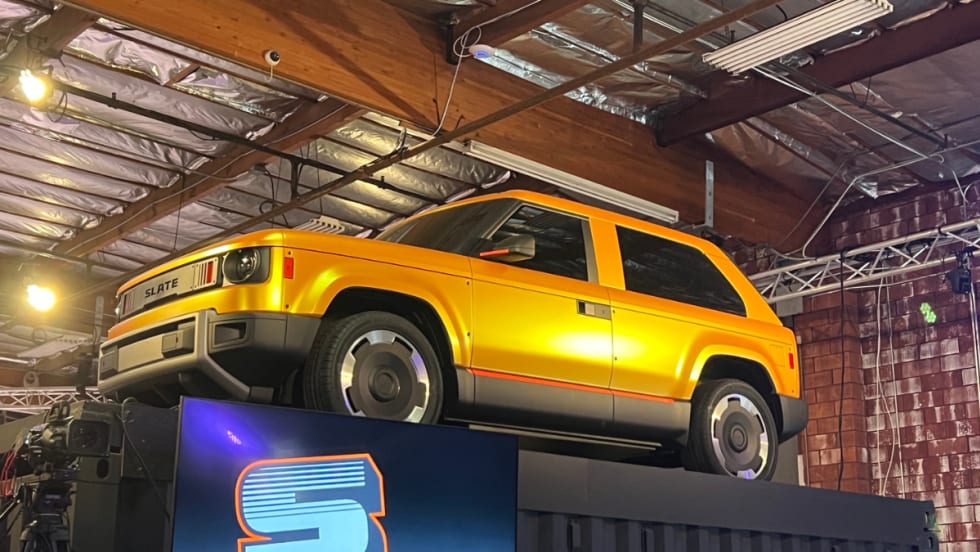
Slate Electric SUV, Pickup Switchable Model Aims For Light-Duty Fleets
Everything about this EV is counterintuitive and understated, making it stand out from the crowd.
Read More →
Inspiration Mobility Acquires Key Electrada Assets
Inspiration Mobility Group has acquired select assets of Electrada, adding the fleet electrification provider's team, technology, and charging infrastructure development capabilities to its energy management business.
Read More →
Turning Connected Vehicle Data Into Decisions That Matter
Fleet leaders have more data than ever, but turning that data into clear, actionable decisions remains a challenge. This white paper shows how leading organizations are using connected vehicle data to improve safety, reduce costs, and optimize fleet performance. Learn how to turn insight into action across your fleet.
Read More →
Are You Tracking Your Fleet's True Total Cost of Ownership?
Bobit Business Media surveyed 190 fleet professionals and found that while most fleets are tracking costs, fragmented systems and data gaps are keeping true TCO visibility out of reach. With rising pressure to control spend in an increasingly volatile environment, the gap between what fleets think they know and what the data actually shows is wider than you might expect. See how your peers are managing costs today and where the industry still has room to improve.
Read More →
Hybrids: Electrification Without the Challenges
For fleet managers, fuel is one of the biggest line items in the budget — and it's one hybrids can shrink without changing how your people work. Download the eBook to see the numbers, understand the technology, and get a step-by-step guide to making the switch.
Read More →