





Moving Fast: EPA Waiver Will Allow California to Accelerate Diesel Truck Ban
EPA Proposes New Emissions Standards to Address Clean Vehicle Future
EPA's new proposed federal vehicle emissions standards aim for improvements across the U.S., including air quality and costs.
April 12, 2023

The new proposed standards will also aim to help companies transition to electric vehicles.
Photo: Canva/Automotive Fleet
2 min to read
The U.S. Environmental Protection Agency (EPA)'s new proposed federal vehicle emissions standards aim to accelerate the ongoing transition to a clean vehicles future and address the climate crisis, according to the organization's news release.
The proposed standards would avoid nearly 10 billion tons of CO2 emissions, equivalent to more than twice the total U.S. CO2 emissions in 2022, while saving thousands of dollars over the lives of the vehicles meeting these new standards. They would also reduce America’s reliance on approximately 20 billion barrels of oil imports.
“By proposing the most ambitious pollution standards ever for cars and trucks, we are delivering on the Biden-Harris Administration’s promise to protect people and the planet, securing critical reductions in dangerous air and climate pollution and ensuring significant economic benefits like lower fuel and maintenance costs for families,” said EPA Administrator Michael S. Regan. “These ambitious standards are readily achievable thanks to President Biden’s Investing in America agenda, which is already driving historic progress to build more American-made electric cars and secure America’s global competitiveness.”
The first set of proposed standards announced, the “Multi-Pollutant Emissions Standards for Model Years 2027 and Later Light-Duty and Medium Duty Vehicles,” builds on EPA’s existing emissions standards for passenger cars and light trucks for MYs 2023 through 2026.
The proposal retains the proven regulatory design of previous EPA standards for light-duty vehicles, but leverages advances in clean car technology to further reduce both climate pollution and smog- and soot-forming emissions.
Between 2027 and 2055, the total projected net benefits of the light- and medium-duty proposal range from $850 billion to $1.6 trillion.
The new proposed emissions standards for light-, medium-, and heavy-duty vehicles for model year (MY) 2027 and beyond would reduce climate and other harmful air pollution. At the same time, the proposed standards would lower maintenance costs and deliver significant fuel savings for drivers and truck operators.
The proposed standards are also projected to accelerate the transition to electric vehicles.
The standards align with commitments made by automakers and U.S. states as they plan to accelerate clean vehicle technologies in the light- and medium-duty fleets in the next 10 to 15 years, according to the EPA.
More Green Fleet
Sponsored•October 1, 2026
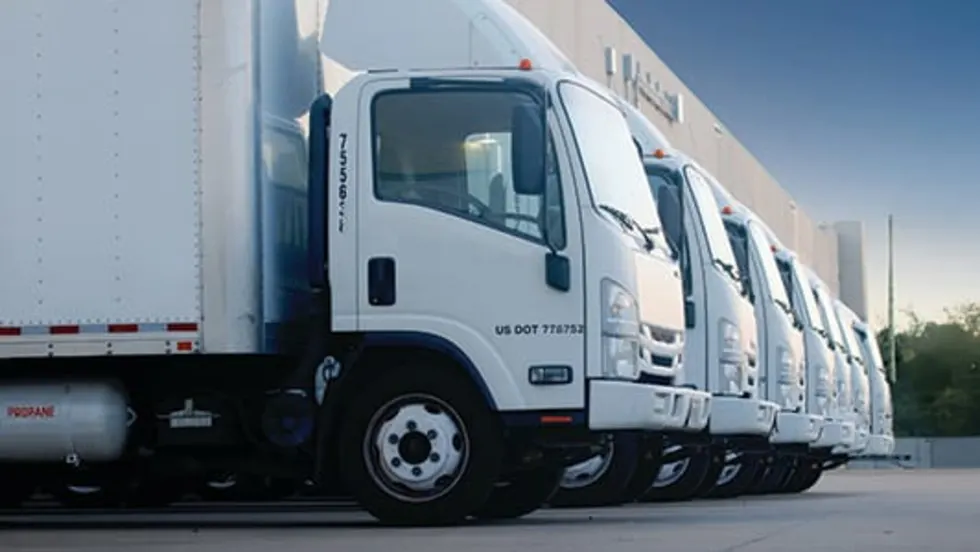
New Propane Autogas Program Offers Fleet Compensation
Qualified commercial fleets can receive $7,500 per eligible propane autogas vehicle and up to $10,000 for new refueling site prep. Learn how the program works and see whether your fleet qualifies.
Read More →
EV Charging Use Is Outpacing Infrastructure Growth
ChargePoint’s 2026 Charging Forward Report points to rising charger use, higher-powered charging, commercial vehicle electrification, and energy-management technology. Here’s what fleets should know.
Read More →
Merchants Fleet Reports 290M EV Miles as Fleets Navigate Changing Electrification Market
From millions in operating savings to hundreds of millions of EV miles, Merchants Fleet’s latest report reveals what’s working and what’s changing in fleet electrification.
Read More →
The EV Breakdown Nobody's Talking About: Why Most Electric Vehicle Roadside Calls Aren't Mechanical Failures
Here's why EV breakdowns are widely misunderstood.
Read More →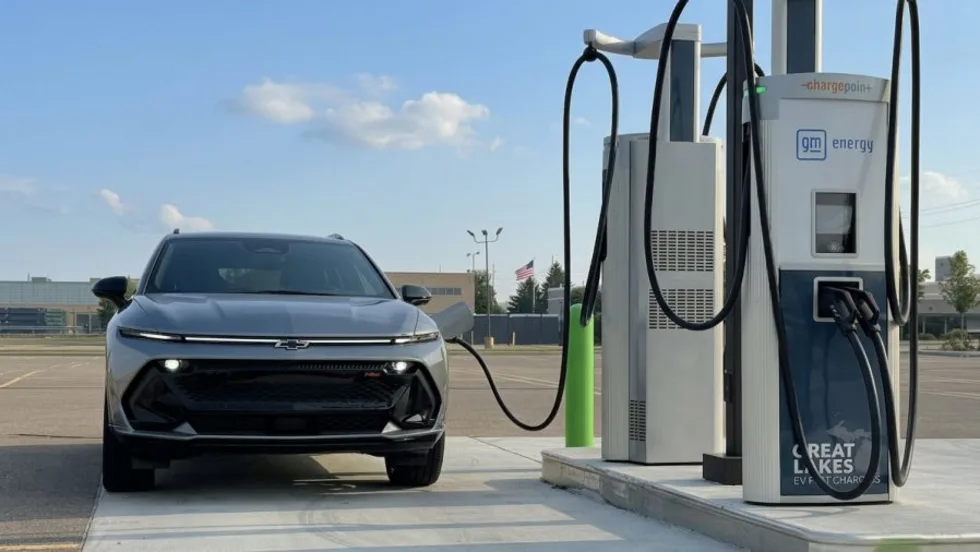
ChargePoint Now Available in Energy Pass
ChargePoint and additional planned charging network integrations were added to GM's Energy Pass.
Read More →

First Look: Slate Auto's Electric Fleet Pickup
Could an affordable, modular EV pickup make electrification more practical for fleets?
Read More →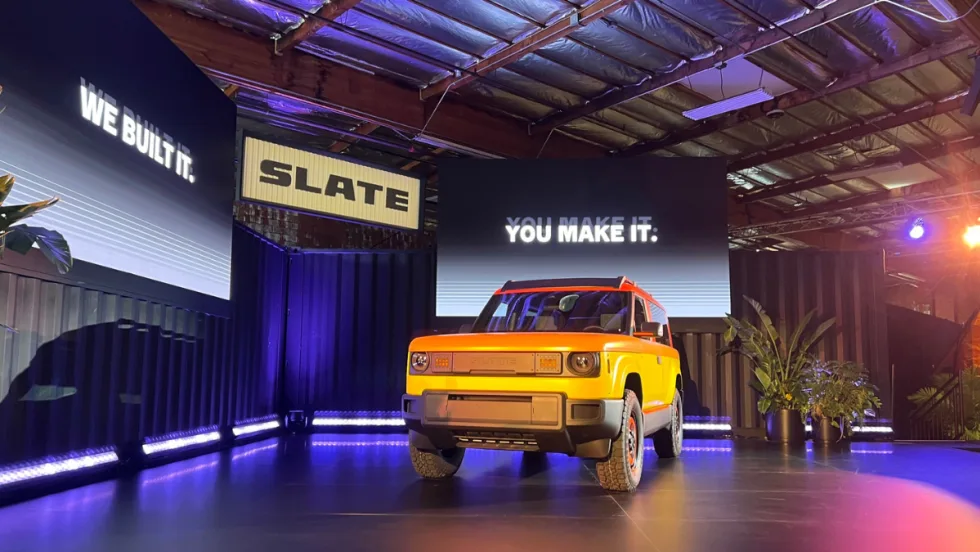
Slate Debuts Colorful, Unique EV Models
A recent media and client event, studded with electric vehicles dressed up on platforms, planted a new position for the manufacturer in the wider EV market. Fleets will find cost-saving advantages.
Read More →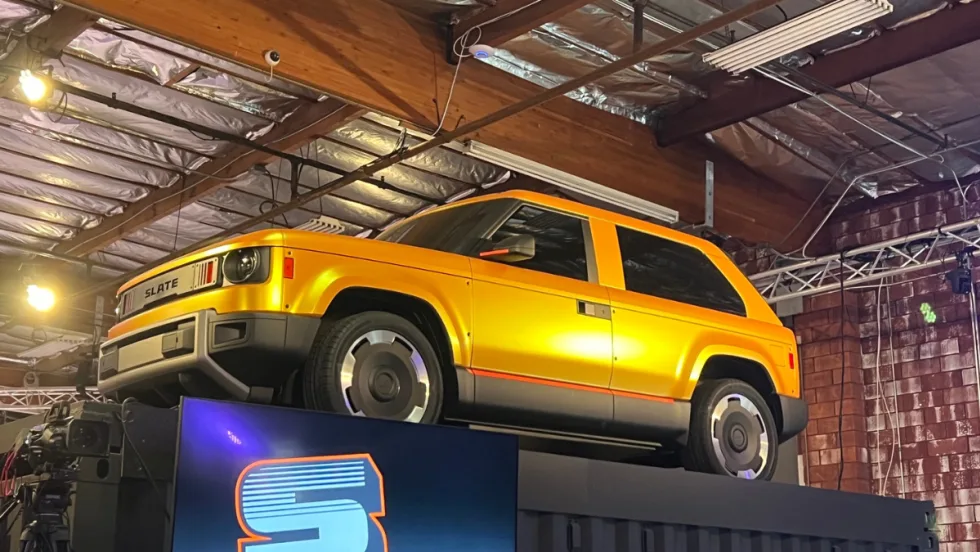
Slate Electric SUV, Pickup Switchable Model Aims For Light-Duty Fleets
Everything about this EV is counterintuitive and understated, making it stand out from the crowd.
Read More →
Inspiration Mobility Acquires Key Electrada Assets
Inspiration Mobility Group has acquired select assets of Electrada, adding the fleet electrification provider's team, technology, and charging infrastructure development capabilities to its energy management business.
Read More →