




EPA Grants E15 Waiver for Newer Vehicles
WASHINGTON - The U.S. Environmental Protection Agency (EPA) has waived a limitation on selling fuel that is more than 10 percent ethanol for model year 2007 and newer cars and light trucks.
WASHINGTON - The U.S. Environmental Protection Agency (EPA) has waived a limitation on selling fuel that is more than 10 percent ethanol for model year 2007 and newer cars and light trucks.
The waiver applies to fuel that contains up to 15 percent ethanol -- known as E15 -- and only to MY 2007 and newer cars and light trucks. This represents the first of a number of actions that are needed from federal, state and industry towards commercialization of E15 gasoline blends.
EPA Administrator Lisa P. Jackson made the decision after a review of the Department of Energy's (DOE's) extensive testing and other available data on E15's impact on engine durability and emissions, the agency said.
"Thorough testing has now shown that E15 does not harm emissions control equipment in newer cars and light trucks," said Jackson.
A decision on the use of E15 in model year 2001 to 2006 vehicles will be made after EPA receives the results of additional DOE testing, which is expected to be completed in November. However, no waiver is being granted this year for E15 use in model year 2000 and older cars and light trucks -- or in any motorcycles, heavy-duty vehicles, or non-road engines -- because currently there is not testing data to support such a waiver, EPA said. Since 1979, up to 10 percent ethanol or E10 has been used for all conventional cars and light trucks, and non-road vehicles.
Additionally, EPA said several steps are being taken to help consumers easily identify the correct fuel for their vehicles and equipment. First, EPA is proposing E15 pump labeling requirements, including a requirement that the fuel industry specify the ethanol content of gasoline sold to retailers. There would also be a quarterly survey of retail stations to help ensure their gas pumps are properly labeled.
The Energy Independence and Security Act of 2007 mandated an increase in the overall volume of renewable fuels into the marketplace, reaching a 36 billion gallon total in 2022. Ethanol is considered a renewable fuel because it is produced from plant products or wastes and not from fossil fuels. Ethanol is blended with gasoline for use in most areas across the country.
The E15 petition was submitted to EPA by ethanol industry group Growth Energy and 54 ethanol manufacturers in March 2009. In April 2009, EPA sought public comment on the petition and received about 78,000 comments.
The petition was submitted under a Clean Air Act provision that allows EPA to waive the act's prohibition against the sale of a significantly altered fuel if the petitioner shows that the new fuel will not cause or contribute to the failure of the engine parts that ensure compliance with the act's emissions limits.
[PAGEBREAK]
In response to the EPA's new waiver, the Renewable Fuels Association issued a statement criticizing the agency's decision to exclude model years prior to 2007.
"EPA's scientifically unjustified bifurcation of the U.S. car market will do little to move the needle and expand ethanol use today," said RFA President and CEO Bob Dinneen. "Limiting E15 use to 2007 and newer vehicles only creates confusion for retailers and consumers alike. America's ethanol producers are hitting an artificial blend wall today. The goals of Congress to reduce our addiction to oil captured in the Renewable Fuels Standard cannot be met with this decision."
The Alliance of Automobile Manufacturers also issued a statement -- one reflecting an entirely different point of view.
"Regarding a 'partial waiver' for E15 use, the Alliance has consistently advocated that EPA not make a final decision affecting the national marketplace until it has taken the precaution to consider the results of a suite of pending studies that will evaluate effects from increased ethanol on various additional vehicle parts and systems," the Alliance of Automobile Manufacturers said. "These include short and longer term impacts on such critical equipment as the engine and cylinder heads, sensitive computer diagnostic systems that drive malfunction lights, and evaluation of changes in evaporative emissions from the fuel in the vehicle.
"We believe this is important in order to assure a safe and positive consumer experience with the new fuel. If EPA proceeds with this decision in the face of concerns raised by automakers and others, it will need to continue to be engaged in the event that problems arise. Mis-fueling avoidance measures such as retail pump labeling may not be effective in supporting proper consumer choices, and this is particularly problematic with a partial waiver that tries to splice up acceptable fuels based on particular model years."
More Green Fleet

EV Charging Use Is Outpacing Infrastructure Growth
ChargePoint’s 2026 Charging Forward Report points to rising charger use, higher-powered charging, commercial vehicle electrification, and energy-management technology. Here’s what fleets should know.
Read More →
Merchants Fleet Reports 290M EV Miles as Fleets Navigate Changing Electrification Market
From millions in operating savings to hundreds of millions of EV miles, Merchants Fleet’s latest report reveals what’s working and what’s changing in fleet electrification.
Read More →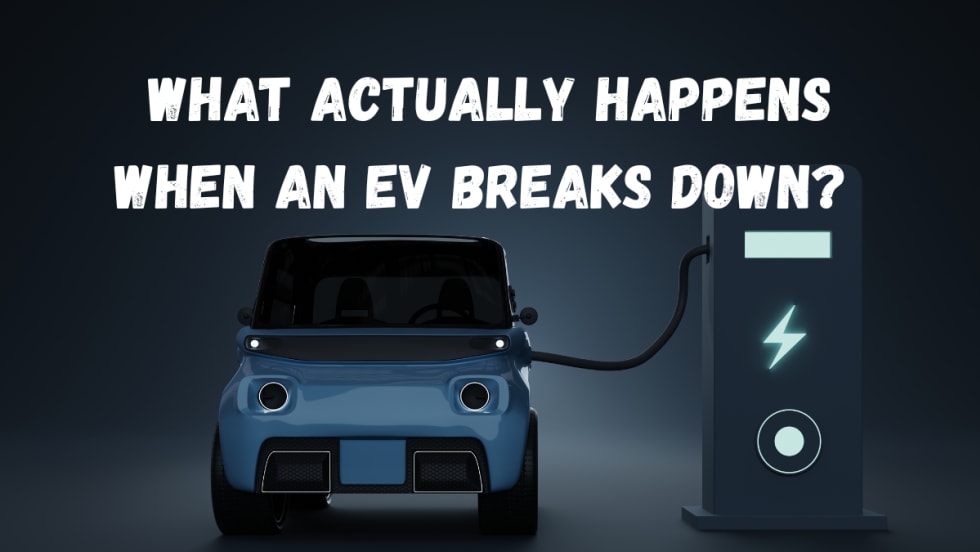
The EV Breakdown Nobody's Talking About: Why Most Electric Vehicle Roadside Calls Aren't Mechanical Failures
Here's why EV breakdowns are widely misunderstood.
Read More →
ChargePoint Now Available in Energy Pass
ChargePoint and additional planned charging network integrations were added to GM's Energy Pass.
Read More →

First Look: Slate Auto's Electric Fleet Pickup
Could an affordable, modular EV pickup make electrification more practical for fleets?
Read More →
Slate Debuts Colorful, Unique EV Models
A recent media and client event, studded with electric vehicles dressed up on platforms, planted a new position for the manufacturer in the wider EV market. Fleets will find cost-saving advantages.
Read More →
Slate Electric SUV, Pickup Switchable Model Aims For Light-Duty Fleets
Everything about this EV is counterintuitive and understated, making it stand out from the crowd.
Read More →
Inspiration Mobility Acquires Key Electrada Assets
Inspiration Mobility Group has acquired select assets of Electrada, adding the fleet electrification provider's team, technology, and charging infrastructure development capabilities to its energy management business.
Read More →
Turning Connected Vehicle Data Into Decisions That Matter
Fleet leaders have more data than ever, but turning that data into clear, actionable decisions remains a challenge. This white paper shows how leading organizations are using connected vehicle data to improve safety, reduce costs, and optimize fleet performance. Learn how to turn insight into action across your fleet.
Read More →