




Electric Ford Transit Connect Due in 2010
DEARBORN, MI --- Ford Motor Co. announced it is collaborating with Azure Dynamics Corp. to deliver a pure battery electric Ford Transit Connect van for the United States and Canadian markets in 2010.
DEARBORN, MI --- Ford Motor Co. announced it is collaborating with Azure Dynamics Corp. to deliver a pure battery electric Ford Transit Connect van for the United States and Canadian markets in 2010.
Azure will integrate its Force Drive battery electric drive train in the Transit Connect van for commercial fleet and retail use.
The collaboration with Azure Dynamics for the Transit Connect BEV will build on the existing business relationship between Ford and Azure as well as their shared experience with battery supplier Johnson Controls-Saft.
"We recognize an increasing interest in electrified vehicles and have an aggressive strategy to bring these vehicles to the marketplace," said Nancy Gioia, Ford director of global electrification. "Our work with Azure to create a pure electric battery Transit Connect vehicle will allow us to offer our commercial customers an additional option for environmentally friendly transportation."
The Transit Connect BEV will be built on Ford's global commercial vehicle platform as part of the company's One Ford global product vision. It is the first of four electrified vehicles from Ford that will become available over the next three years in the U.S. and Canada including:
Battery electric Transit Connect van in 2010
Battery electric Ford Focus passenger car in 2011
Next-generation hybrid vehicle in 2012
Plug-in hybrid vehicle in 2012.
Azure Dynamics develops hybrid electric and electric drive technology for shuttle buses and commercial trucks, such as the Balance Hybrid Electric, which is built on the Ford E-450 cutaway and strip chassis for the medium duty commercial vehicle segment.
"The opportunity to work with Ford on the Transit Connect BEV is a breakthrough advancement for us at Azure and for the light commercial vehicle market," said Scott Harrison, Azure Dynamics CEO. "For Azure, it's an important evolution of our existing relationship with Ford. From an industry standpoint, we are seeing delivery fleet and utility vehicle operators move to smaller, more fuel-efficient vehicles. The Transit Connect BEV will come to market at an ideal time to meet this growing trend."
Oak Park, Mich.-based Azure Dynamics will integrate its proprietary Force Drive battery electric drive train into the Transit Connect BEV, which will have a targeted range of 80 miles minimum on a full charge and zero tailpipe emissions. Force Drive components have previously been deployed in more than 40 vehicle integrations and have more than 25 million miles of on-the-road experience.
The Transit Connect BEV will offer fleet owners the opportunity to eliminate the use of gasoline and help to lower operating costs. The vehicle will be badged with both the Ford Blue Oval and Azure's Force Drive logo.
Azure Dynamics has selected Johnson Controls-Saft as the supplier for lithium-ion battery cells and battery packs for the Transit Connect BEV. Azure Dynamics and Ford both currently utilize Johnson Controls-Saft battery technology for other products. The Transit Connect BEV will use the same proven cell technology currently deployed in the Ford Escape plug-in hybrid fleet on the road today.
In addition, Azure had previously announced it would use Johnson Controls-Saft lithium-ion batteries for its E- 450 Balance Hybrid Electric beginning in the second half of 2010.
The shared supplier business relationship is expected to provide additional synergy between Ford and Azure in the Transit Connect BEV project.
More Green Fleet

EV Charging Use Is Outpacing Infrastructure Growth
ChargePoint’s 2026 Charging Forward Report points to rising charger use, higher-powered charging, commercial vehicle electrification, and energy-management technology. Here’s what fleets should know.
Read More →
Merchants Fleet Reports 290M EV Miles as Fleets Navigate Changing Electrification Market
From millions in operating savings to hundreds of millions of EV miles, Merchants Fleet’s latest report reveals what’s working and what’s changing in fleet electrification.
Read More →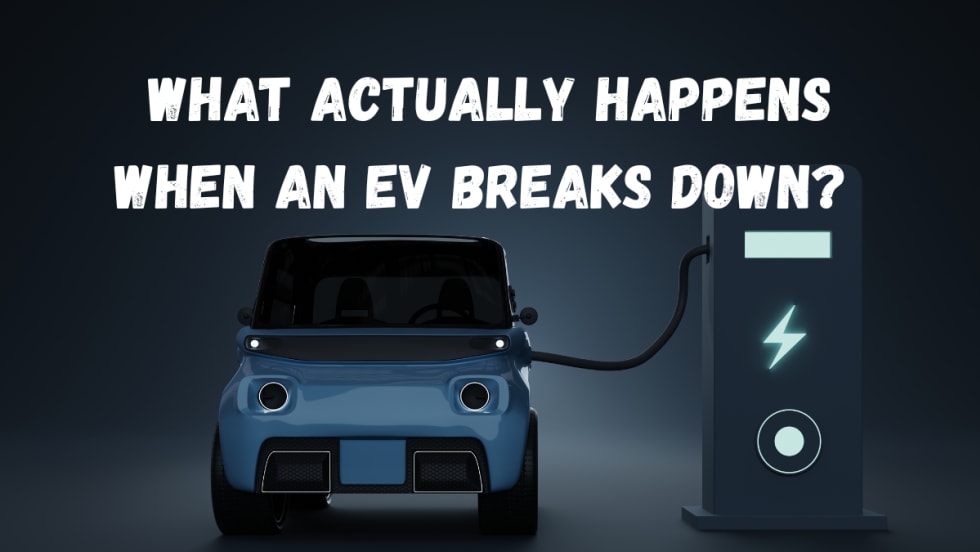
The EV Breakdown Nobody's Talking About: Why Most Electric Vehicle Roadside Calls Aren't Mechanical Failures
Here's why EV breakdowns are widely misunderstood.
Read More →
ChargePoint Now Available in Energy Pass
ChargePoint and additional planned charging network integrations were added to GM's Energy Pass.
Read More →
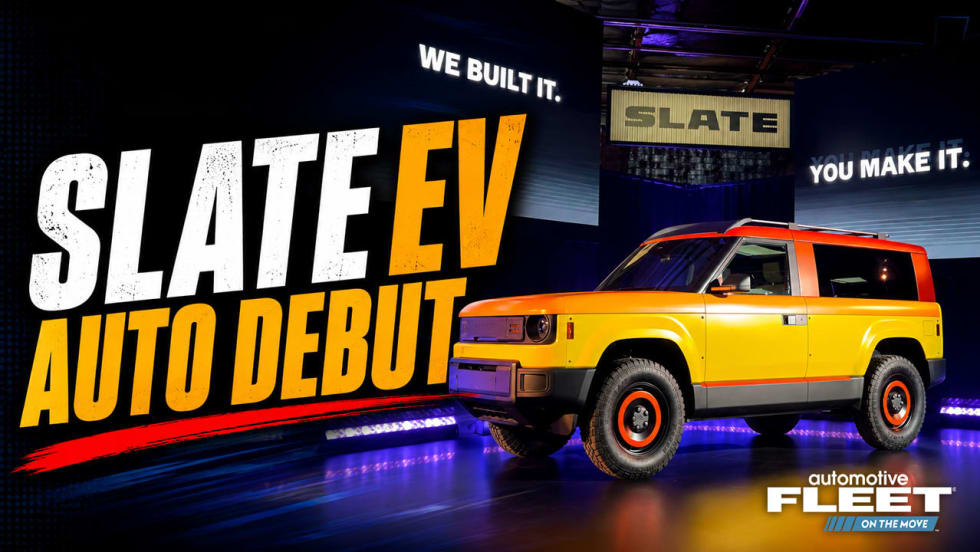
First Look: Slate Auto's Electric Fleet Pickup
Could an affordable, modular EV pickup make electrification more practical for fleets?
Read More →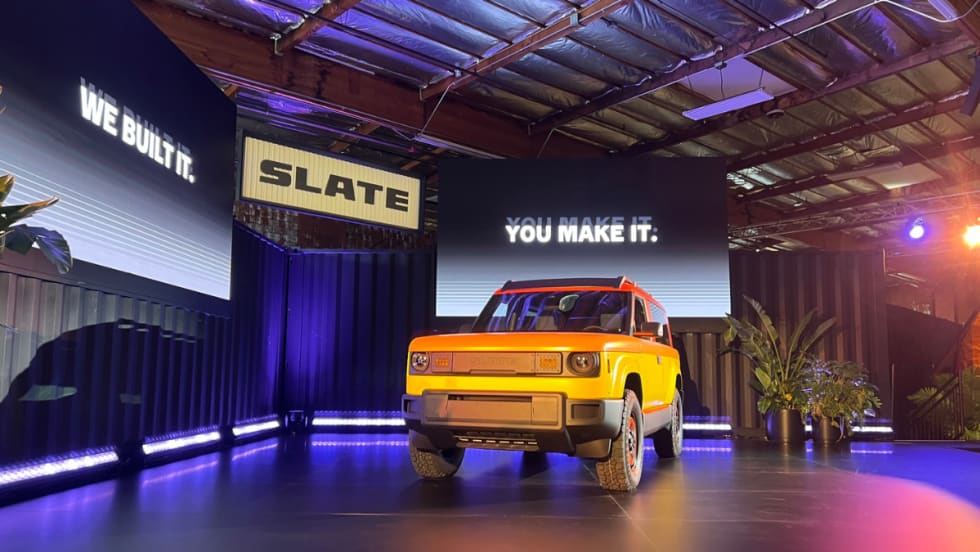
Slate Debuts Colorful, Unique EV Models
A recent media and client event, studded with electric vehicles dressed up on platforms, planted a new position for the manufacturer in the wider EV market. Fleets will find cost-saving advantages.
Read More →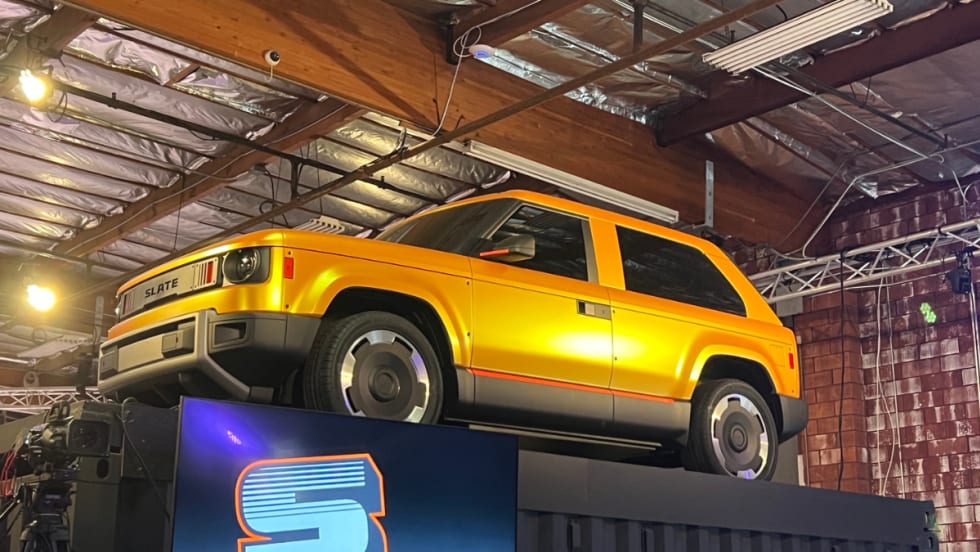
Slate Electric SUV, Pickup Switchable Model Aims For Light-Duty Fleets
Everything about this EV is counterintuitive and understated, making it stand out from the crowd.
Read More →
Inspiration Mobility Acquires Key Electrada Assets
Inspiration Mobility Group has acquired select assets of Electrada, adding the fleet electrification provider's team, technology, and charging infrastructure development capabilities to its energy management business.
Read More →
Turning Connected Vehicle Data Into Decisions That Matter
Fleet leaders have more data than ever, but turning that data into clear, actionable decisions remains a challenge. This white paper shows how leading organizations are using connected vehicle data to improve safety, reduce costs, and optimize fleet performance. Learn how to turn insight into action across your fleet.
Read More →