





Related: CVSA Director Talks ELDs, Enforcement, and the Future
ELD Mandate Enforcement Kicks in for Real April 1
Although the electronic logging device mandate went into effect in December, the full-enforcement of the rule – and all of its penalties – is fast approaching on April 1.
February 27, 2018
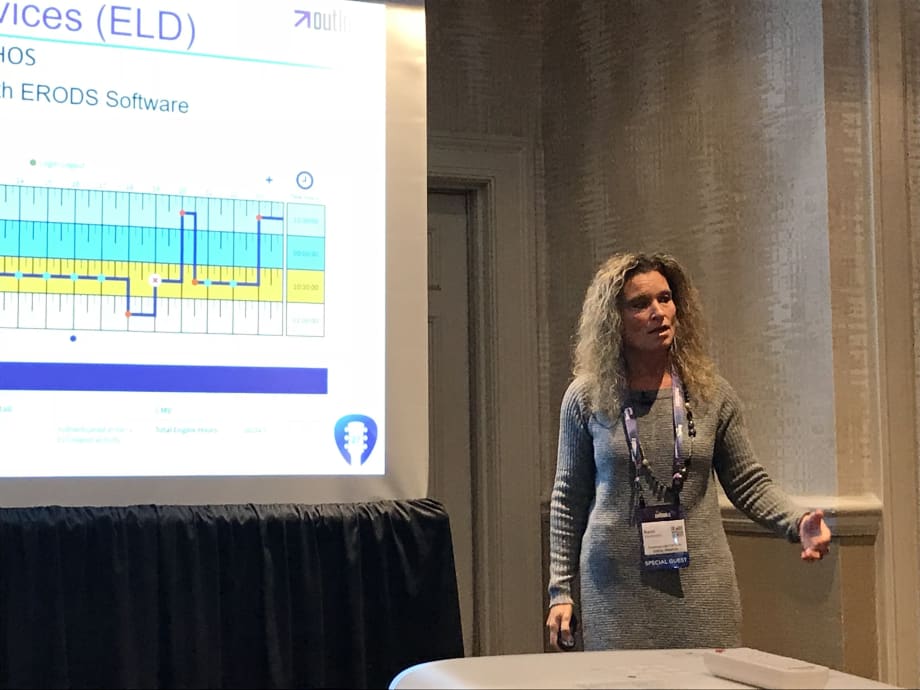
CVSA’s Kerri Wirachowsky speaking about ELD enforcement after the April 1 deadline. Photo: Jim Beach
3 min to read
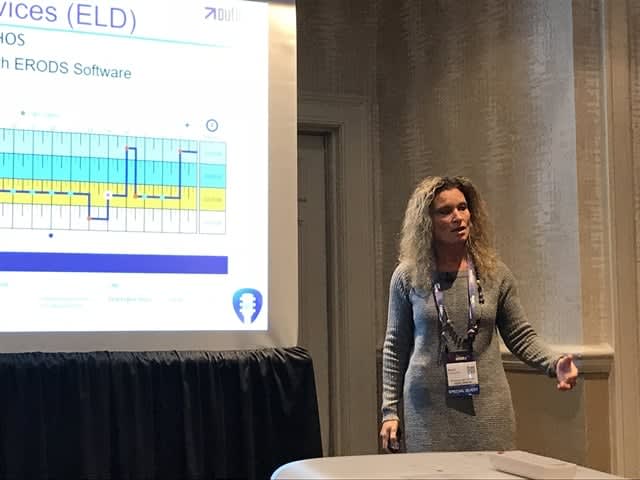
CVSA’s Kerri Wirachowsky speaking about ELD enforcement after the April 1 deadline.Photo: Jim Beach
NASHVILLE — The electronic logging device mandate became effective in December, but law enforcement agencies have been observing a “soft enforcement” stance since then, with ELD violations written up as 395.22(a) violations with no CSA points or vehicles being placed out of service.
But that’s about going to in a little over a month, explained Kerri Wirachowsky, the Commercial Vehicle Safety Alliance’s director of roadside inspection program during a session on ELD enforcement at Omnitracs’ Outlook 2018 user conference here on Feb. 26. She said that come April 1, the full enforcement of the ELD rule will kick in – including the assigning of CSA points and the issuing of out-of-service citations
There is still confusion about the ELD rule, even among law enforcement, Wirachowsky said. Therefore, fleets should do all they can to help inspectors determine which type of device drivers are using. That’s especially critical as certified AOBRDs are allowed to be used through Dec. 17, 2019, thanks to a grandfather clause.
“Make sure your drivers have the device cab card in the cab,” she advised. In fact, the regulation requires the following information to be available in the cab: a user manual describing how to use the ELD; an instruction sheet for producing and transferring data; an instruction sheet for reporting malfunctions and record-keeping procedures during malfunctions; and a supply of blank records of duty status for recording hours of service for at least 8 days. Any of this information can be in electronic form.
As of April 1, a driver can be placed out-of-service if:
Using an unauthorized logging device not registered with the Federal Motor Carrier Safety Administration
Unable to produce and transfer data electronically from an ELD to an authorized law enforcement officer, or to produce the data via the display or print it out. A driver with an AOBRD can be placed out-of-service if unable to display or produce records of duty status
Driver indicates a special driving category when not involved in that category (considered a false log)
Driver is required to have an ELD and the vehicle is not equipped with one (or an AOBRD until Dec. 17, 2019).
There might be some jurisdictions where the “soft enforcement” is not being followed. In such cases, if a driver is cited, the carrier will need to file a DataQ along with all supporting documents, including copies of valid HOS records.
While AOBRDs are allowed until late next year, there are some key differences, Wirachowsky said. “It’s not the hardware, it’s the software.” Among these differences, a roadside inspector should be able to check a driver’s HOSs record on the screen of the device. With some AOBRDs, that might require a file upload. That’s another thing some inspector may not understand. Again, as much help as the driver can provide is key.
Some of the key differences between an ELD and AOBRD are shown in the comparison chart below:
AOBRD | ELDs | |
Integrally synchronized | Yes | Yes |
Automatic recording of HOS | Yes | Yes |
Technical specifications | Limited | Yes |
Registered with FMCSA | No | Yes |
Printing requirements | None | If no display screen |
Data Transfer requirements | None | Telematics or local |
Permitted Use | Dec. 18, 2017 – Dec. 19, 2019 | Dec. 18, 2017 |
Wirachowsky noted that there are some exemptions for ELDs. Fleets are advised to make sure a copy of any exemption they have is kept in the truck at all times.
More Telematics
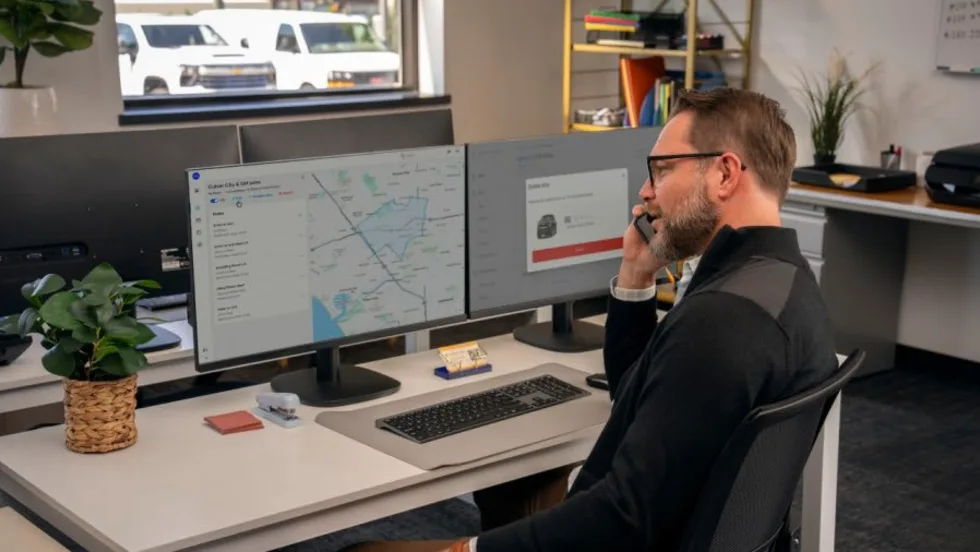
GM Launches OnStar Fleet Intelligence Platform With AI Assistant
The new platform brings vehicle data, order tracking, connected services and fleet analytics into one system, with an AI assistant that can answer fleet questions using natural-language prompts.
Read More →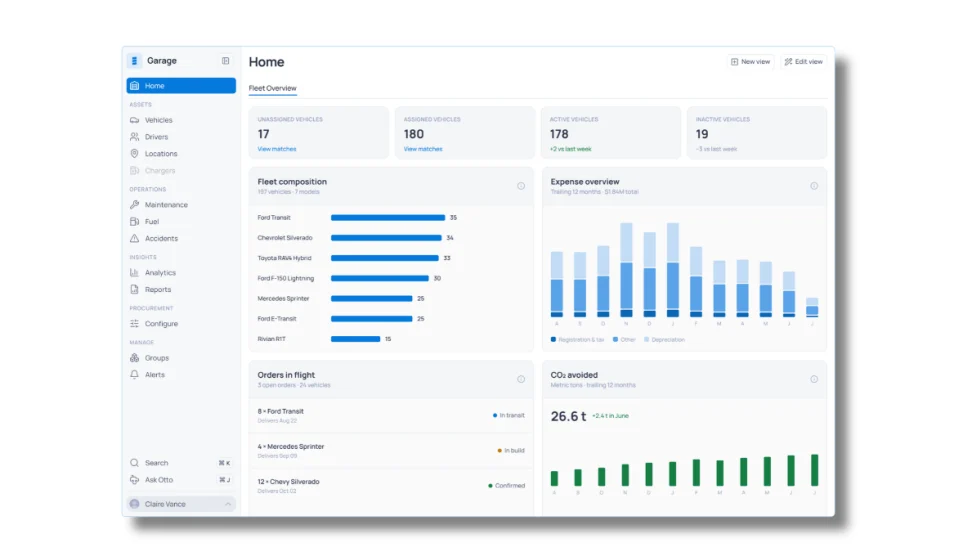
Inspiration Fleet Introduces Garage 2.0 Fleet Intelligence Platform
Fleet managers increasingly have access to data from vehicles, telematics, fuel, charging, and other systems, but those sources don't always communicate with one another. Inspiration Fleet's Garage 2.0 platform brings that information together while letting fleets keep working with different technology and service providers.
Read More →
Inside Inspiration Fleet’s New Platform for Connecting Fleet Data
Inspiration Fleet CTO Chris Getner explains how the new Garage 2.0 platform is designed to connect disparate fleet data and what that could mean for fleet managers in practice.
Read More →
Sponsored•October 1, 2026
Fleet Manager’s Ultimate Playbook: Navigating the New Standard in OEM Connectivity
Rising operating costs, driver safety concerns, and unplanned downtime are putting unprecedented pressure on modern fleets. Discover how fleet managers use embedded OEM connectivity and real-time vehicle data to cut TCO, prevent downtime, and protect drivers without aftermarket telematics hardware.
Read More →
Samsara Driver Perks Adds New Benefit for Corporate Fleet Drivers
The rewards program gives eligible professional drivers access to discounts from more than 50 brands while giving fleets another way to support recruitment, retention, and the driver experience.
Read More →
Inside the Church of Jesus Christ of Latter-day Saints’ Two-Track Telematics Strategy
With 20,000 vehicles and two fundamentally different driver populations, the Church faced a fleet management problem that a single telematics program couldn't solve. How it responded offers a replicable framework for any fleet where one size doesn't fit every driver.
Read More →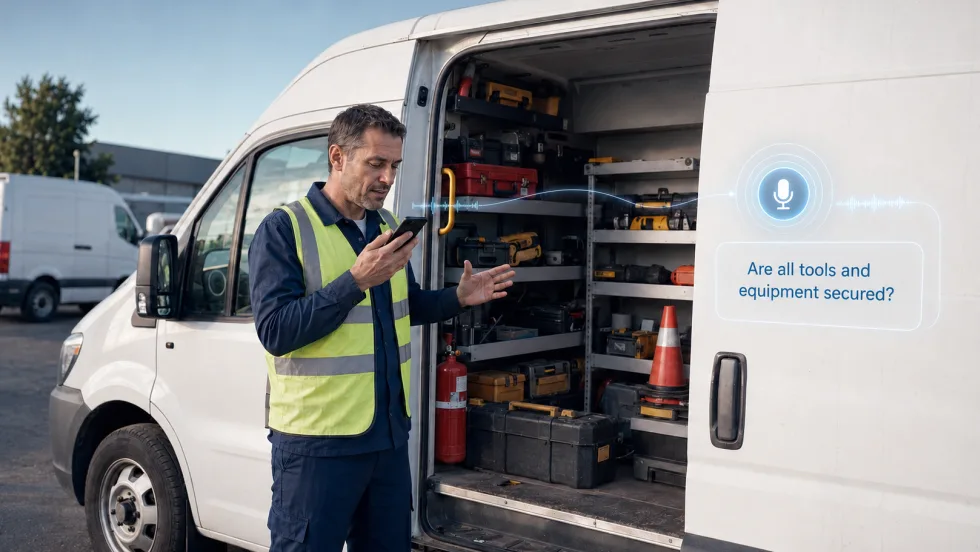
How Conversational AI Can Make Fleet Tasks Easier for Drivers
While most generative AI tools help fleet managers interpret data at their desks, Connex2X is applying voice interaction to tasks behind the wheel.
Read More →
Why Fleets Are Creating Dedicated Fleet Analyst Positions
Are fleet analyst positions the new norm? Listen here to find out.
Read More →
Teletrac Navman Begins Next Chapter as Standalone Private Company
What's new with Teletrac Navman and its new owner?
Read More →
Why Fleets Are Creating Dedicated Fleet Analyst Positions
Telematics, AI, EVs, and connected technologies are generating more fleet data than traditional teams can effectively manage. Reed Jackson explains why dedicated fleet analytics roles are emerging to turn that information into better operational decisions.
Read More →