




E-85 Fueling Growth Slows, Feds Report
Growth in the number of E-85 fueling stations has slowed since 2011, as demand has fallen for the higher-blend ethanol fuel blend, according to federal data.
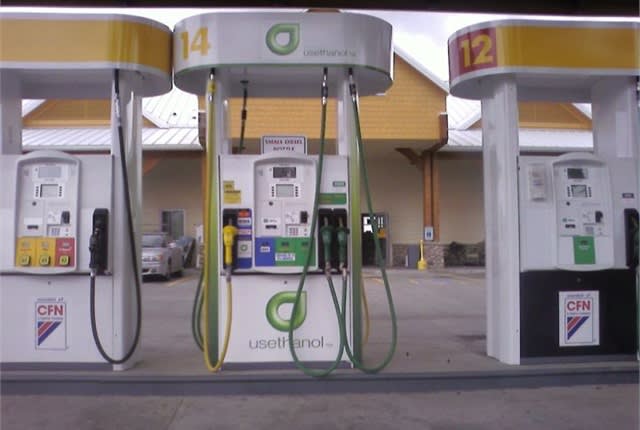
Photo via Spencer Thomas/Flickr.
Growth in the number of E-85 fueling stations has slowed since 2011, as demand has fallen for the higher-blend ethanol fuel blend, according to federal data.
The number of retail E-85 fueling stations in the U.S. increased 7 percent from 2011 to 2013, when the total reached 2,625 stations offering E-85. From 2007 to 2011, the number of E-85 fueling stations nearly doubled from 1,229 to 2,442, according to data released by the U.S. Energy Information Administration.
Minnesota leads the nation with 336 E-85 fueling stations, according to the EIA, which cited data from the Alternative Fuels Data Center (AFDC). Retail sites offering E-85 since 2007, the first year data was collected, have been in the Corn Belt states of the Midwest including Illinois, Indiana, Iowa, Minnesota, and Wisconsin.
Since 2007, other states have begun to offer the E-85 blend. California, New York, Colorado, Georgia, and Texas added more than 49 retail locations each between 2007 and 2013, according to the AFDC. In that time, the five Midwestern states' share of E85 stations dropped from 54 percent in 2007 to 36 percent in 2013.
California and New York added the most E-85 stations, growing from less than a dozen sites between the two of them to more than 80 locations each in 2013.
Alaska and New Hampshire currently have no E-85 fueling sites, compared to nine in 2007. Retailers in the Northeast, excluding New York, recorded the slowest E-85 adoption. In New England, on 13 E-85 stations were added, mostly in Massachusetts.
Despite showing some growth, adoption of E-85 remains a slow climb. Only 2 percent of retail locations in the U.S. now offer E-85, serving 5 percent of the light-duty fleet of flex-fuel vehicles capable of running on E-85. The situation isn't expected to improve.
In November, Obama's EPA announced it would cut ethanol fuel output mandates for 2014 for the first time since 2007, citing lower demand for higher fuel blends of the corn-based fuel.
More Green Fleet
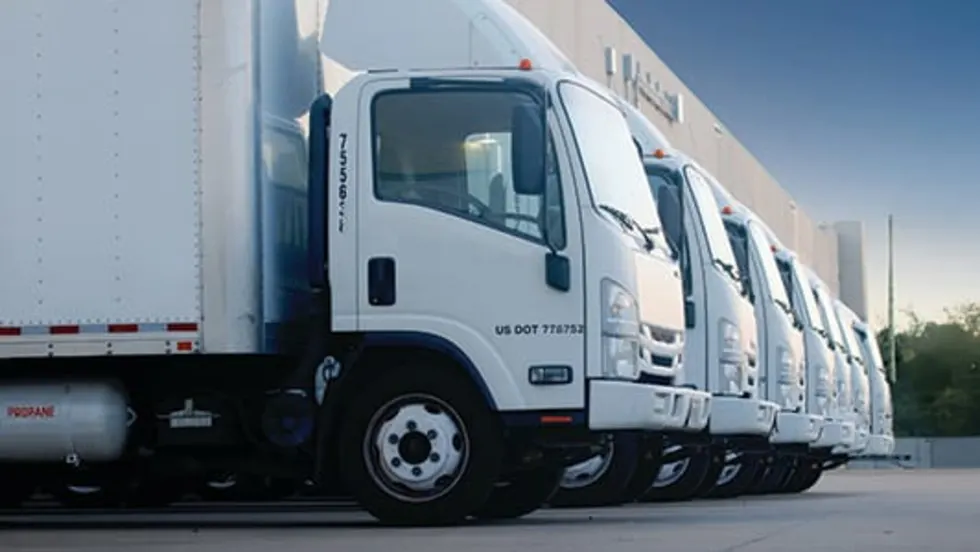
New Propane Autogas Program Offers Fleet Compensation
Qualified commercial fleets can receive $7,500 per eligible propane autogas vehicle and up to $10,000 for new refueling site prep. Learn how the program works and see whether your fleet qualifies.
Read More →
EV Charging Use Is Outpacing Infrastructure Growth
ChargePoint’s 2026 Charging Forward Report points to rising charger use, higher-powered charging, commercial vehicle electrification, and energy-management technology. Here’s what fleets should know.
Read More →
Merchants Fleet Reports 290M EV Miles as Fleets Navigate Changing Electrification Market
From millions in operating savings to hundreds of millions of EV miles, Merchants Fleet’s latest report reveals what’s working and what’s changing in fleet electrification.
Read More →

The EV Breakdown Nobody's Talking About: Why Most Electric Vehicle Roadside Calls Aren't Mechanical Failures
Here's why EV breakdowns are widely misunderstood.
Read More →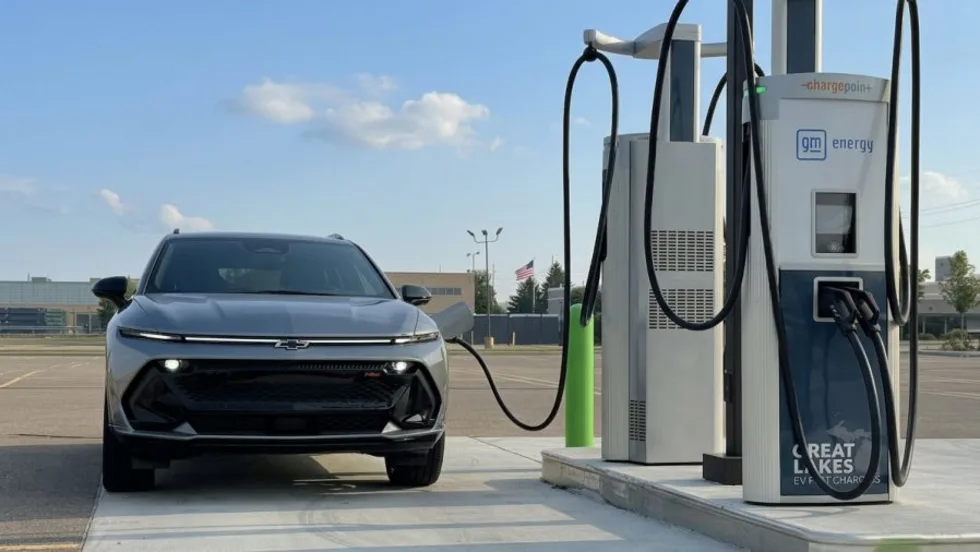
ChargePoint Now Available in Energy Pass
ChargePoint and additional planned charging network integrations were added to GM's Energy Pass.
Read More →

First Look: Slate Auto's Electric Fleet Pickup
Could an affordable, modular EV pickup make electrification more practical for fleets?
Read More →
Slate Debuts Colorful, Unique EV Models
A recent media and client event, studded with electric vehicles dressed up on platforms, planted a new position for the manufacturer in the wider EV market. Fleets will find cost-saving advantages.
Read More →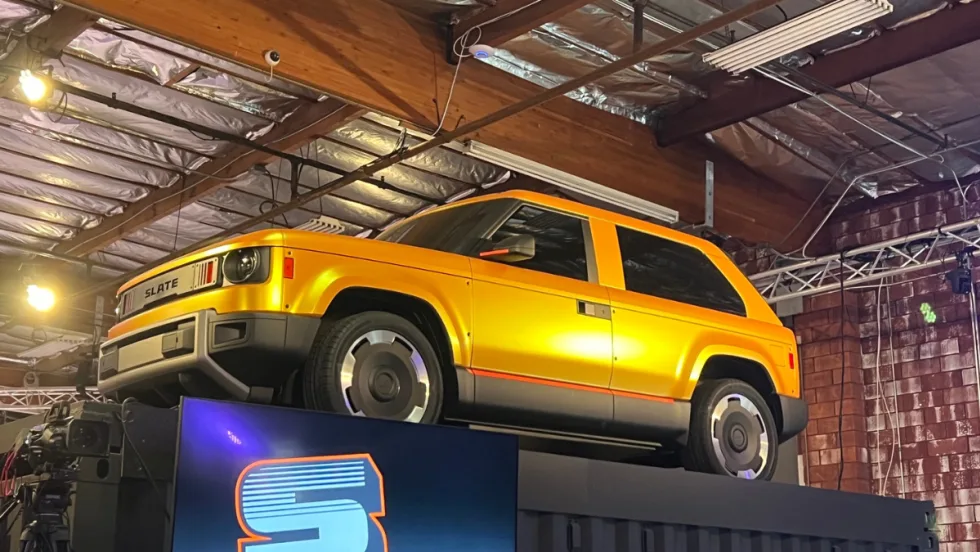
Slate Electric SUV, Pickup Switchable Model Aims For Light-Duty Fleets
Everything about this EV is counterintuitive and understated, making it stand out from the crowd.
Read More →
Inspiration Mobility Acquires Key Electrada Assets
Inspiration Mobility Group has acquired select assets of Electrada, adding the fleet electrification provider's team, technology, and charging infrastructure development capabilities to its energy management business.
Read More →