




Duke Energy to Convert Light-Duty Fleet to 100% EVs
Duke Energy has pledged to convert a majority of its current 10,000-vehicle fleet to electric or another zero-carbon alternative in 10 years.

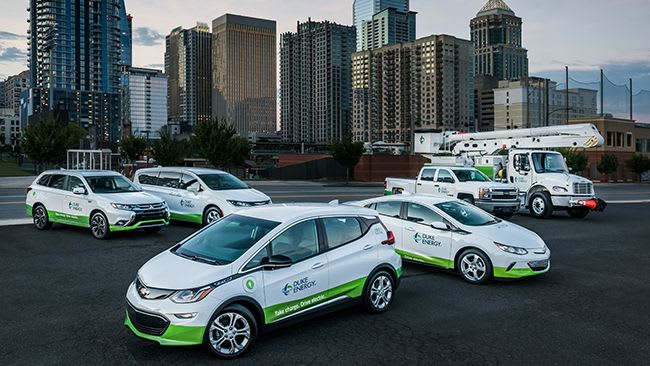
Photo: Duke Energy
Duke Energy has pledged to convert a majority of its current 10,000-vehicle fleet to electric or another zero-carbon alternative in 10 years.
More specifically, Duke Energy’s pledge is to convert 100% of its nearly 4,000 light-duty vehicles to electric and 50% of its approximately 6,000 combined fleet of medium-duty, heavy-duty and off-road vehicles to EVs, plug-in hybrids, or other zero-carbon alternatives as more of these options become available.
With approximately 600 electric vehicles (EVs) already in its fleet, the utility said it will continue to pursue electrification as more electric vehicle options become available.
Other efforts from Duke Energy in the clean energy space include the installation of 500 charging stations, which have been used more than 13,000 times.
Duke Energy is also on track to install more than 200 workplace chargers for employees by the end of 2020. The company currently offers a rebate of $3,000 to employees who purchase an EV and $1,500 to employees who choose to lease an EV.
More Green Fleet
EV Charging Use Is Outpacing Infrastructure Growth
ChargePoint’s 2026 Charging Forward Report points to rising charger use, higher-powered charging, commercial vehicle electrification, and energy-management technology. Here’s what fleets should know.
Read More →
Merchants Fleet Reports 290M EV Miles as Fleets Navigate Changing Electrification Market
From millions in operating savings to hundreds of millions of EV miles, Merchants Fleet’s latest report reveals what’s working and what’s changing in fleet electrification.
Read More →
The EV Breakdown Nobody's Talking About: Why Most Electric Vehicle Roadside Calls Aren't Mechanical Failures
Here's why EV breakdowns are widely misunderstood.
Read More →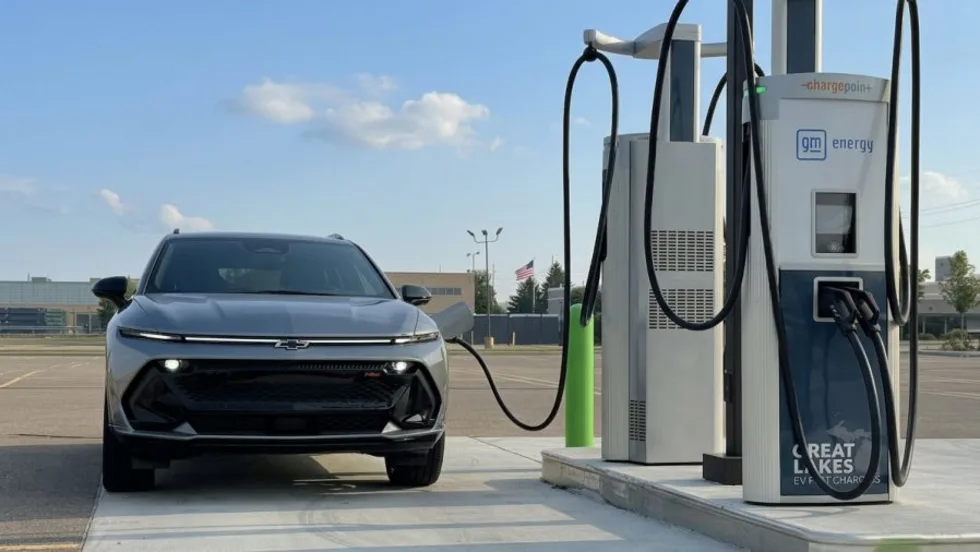
ChargePoint Now Available in Energy Pass
ChargePoint and additional planned charging network integrations were added to GM's Energy Pass.
Read More →

First Look: Slate Auto's Electric Fleet Pickup
Could an affordable, modular EV pickup make electrification more practical for fleets?
Read More →
Slate Debuts Colorful, Unique EV Models
A recent media and client event, studded with electric vehicles dressed up on platforms, planted a new position for the manufacturer in the wider EV market. Fleets will find cost-saving advantages.
Read More →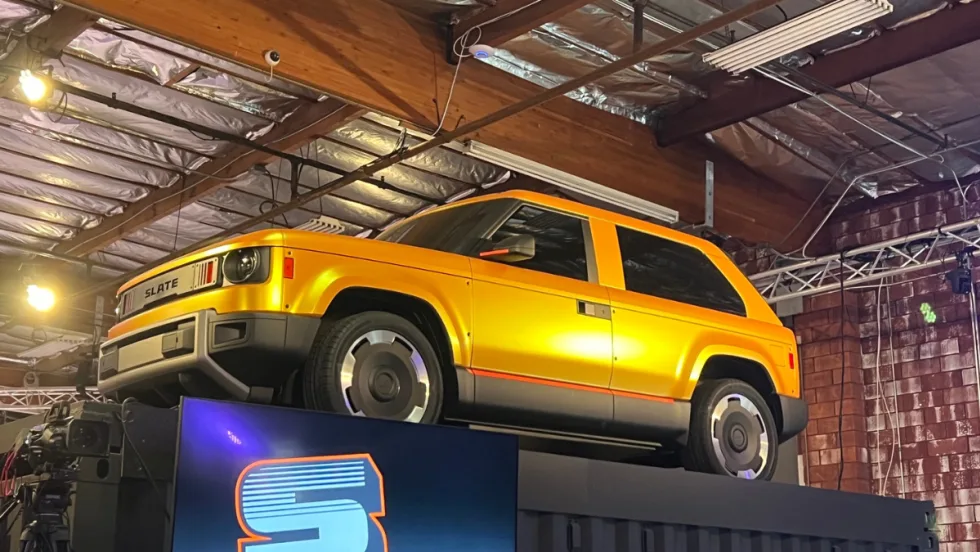
Slate Electric SUV, Pickup Switchable Model Aims For Light-Duty Fleets
Everything about this EV is counterintuitive and understated, making it stand out from the crowd.
Read More →
Inspiration Mobility Acquires Key Electrada Assets
Inspiration Mobility Group has acquired select assets of Electrada, adding the fleet electrification provider's team, technology, and charging infrastructure development capabilities to its energy management business.
Read More →
Turning Connected Vehicle Data Into Decisions That Matter
Fleet leaders have more data than ever, but turning that data into clear, actionable decisions remains a challenge. This white paper shows how leading organizations are using connected vehicle data to improve safety, reduce costs, and optimize fleet performance. Learn how to turn insight into action across your fleet.
Read More →