




Driver's Alert Releases 'Smart Risk' Program
LIGHTHOUSE POINT, FL --- Driver's Alert, a major provider of fleet safety and risk-reduction solutions, has unveiled Smart Risk, a new approach to reducing at-fault crashes.
LIGHTHOUSE POINT, FL --- Driver's Alert, a major provider of fleet safety and risk-reduction solutions, has unveiled Smart Risk, a new approach to reducing at-fault crashes.
Smart Risk is a fully integrated, one-source program that combines after-the-incident data from MVRs and driver crash history with before-the-accident early-warning driver observation data to assign a risk level to each driver.
On average, 95 percent of all drivers practice safe driving. By integrating historical driving and accident data with the real-time driver observation call data, Smart Risk can accurately identify the 5 percent of drivers who are at the highest risk to cause a fleet's next at-fault crash.
Smart Risk is based on research and analysis of Driver's Alert data over tens of thousands of vehicles, the company said. It creates a program that, when implemented properly, can accurately predict the specific drivers who will likely cause a crash. What's more, Smart Risk provides the best practices and tools required to stop that crash from occurring.
"Driver's Alert is so confident that Smart Risk will result in a significant reduction in at-fault crashes and their related costs that the company is offering a written guarantee," Driver's Alert said. "Any company implementing Smart Risk will realize a minimum 25 percent reduction in at-fault crashes within 12 months or the entire program is free."
For more details, visit the company's new Web site at www.driversalert.com. The Web site includes key industry data on the cost of crashes, crash statistics regarding the critical events and associated factors that contribute to serious truck crashes, as well as the direct and indirect costs of crashes. A new demo center enables fleet managers and safety directors to listen to actual motorist calls and take an online sample driver safety training course. Other interactive sections of the site will be added in the future.
"We have learned from over 20 years in this business, and from close interaction with our largest and most successful clients, what it takes to truly guarantee a significant reduction in at-fault crashes and related costs," said Martin Marion, vice president of strategic planning. "We are very proud to introduce our new Smart Risk program, which guarantees a 25 percent or more reduction in at-fault crashes, and our new Web site. The integration of both historical driver records with real-time driver observation data through our state-of-the-art call center and call validation practices is the key."
More Safety
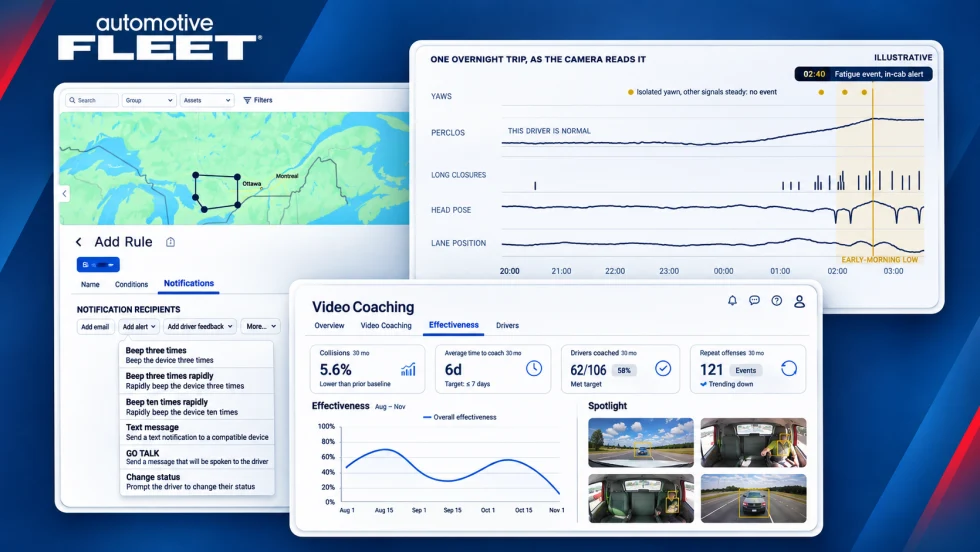
Geotab Adds AI-Powered Driver Coaching and Fatigue Detection Features
New capabilities include fatigue monitoring, two-way audio, coaching effectiveness analytics and location-based privacy controls for fleet safety management.
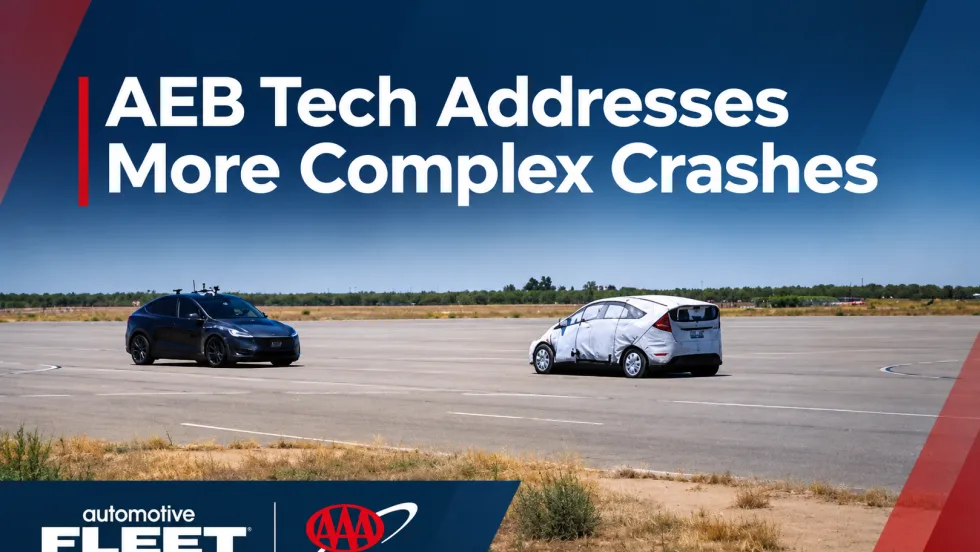
AAA Testing Finds Gaps in Intersection AEB Crash Prevention
Testing of four 2026 model-year vehicles found that automatic emergency braking prevented collisions in standardized intersection scenarios, but three vehicles failed to avoid crashes when another vehicle turned into their path.
Which Fleet Types Have the Highest Severe Speeding Rates?
New research from SambaSafety finds significant differences in speeding rates across fleet industries, even as nearly 90% of surveyed fleets report using telematics.
When a Cyberattack Hits Your Fleet: What Happens Next?
“You have two opportunities to test your plans: when you choose or when the threat actor chooses.” A cybersecurity expert reveals what fleet managers need to know before a cyberattack puts their operations at risk — and why the decisions made in the first moments can shape the entire recovery.

Tips for Driving Safely on Halloween Night
This video features a reminder from the Connecticut Department of Transportation (DOT) and the Connecticut Police Chiefs Association, urging drivers to prioritize safety this Halloween.
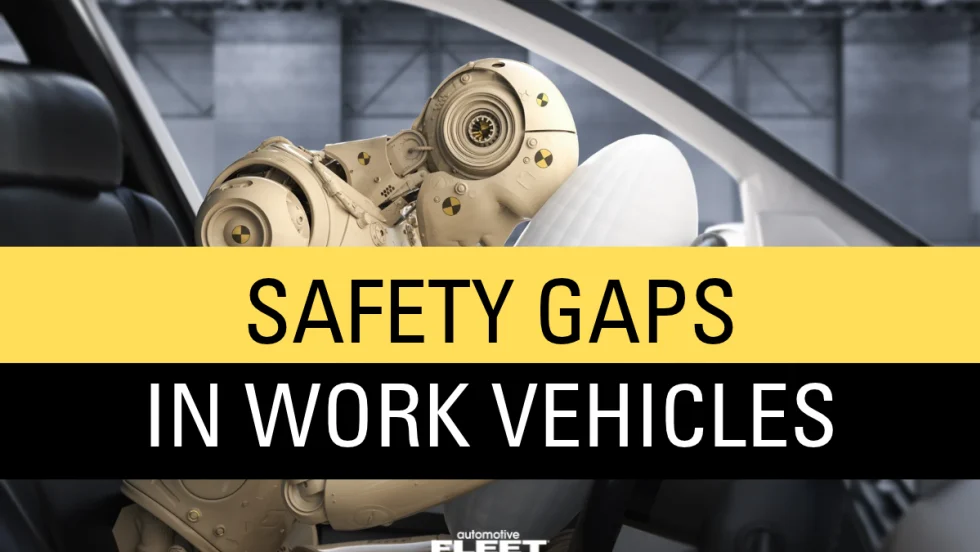
IIHS Crash Avoidance Tests Reveal Safety Gaps in Cargo Vans and Work Trucks
New IIHS crash avoidance ratings show uneven performance among cargo vans and heavy-duty pickups, with most struggling to avoid vehicle-to-vehicle collisions.
What’s Next for Fleet? Safety, AI & Industry Recognition | AF News Recap
Could your company's culture be encouraging distracted driving? This week, we're exploring how workplace expectations affect driver safety, what AI, EVs, and autonomous vehicles could mean for the future of fleet management, and how fleet professionals can strengthen their award nominations.

Does Your Fleet's Culture Encourage Distracted Driving?
What happens when the people responsible for enforcing safety rules are the ones setting the wrong example? The answer may reveal why some of the biggest risks to fleet drivers have little to do with what's written in the employee handbook.

Fleet Manager’s Ultimate Playbook: Navigating the New Standard in OEM Connectivity
Rising operating costs, driver safety concerns, and unplanned downtime are putting unprecedented pressure on modern fleets. Discover how fleet managers use embedded OEM connectivity and real-time vehicle data to cut TCO, prevent downtime, and protect drivers without aftermarket telematics hardware.

From Driver Well-Being to EV Charging | AF News Recap
Mental health belongs in the fleet safety conversation. This week, we’re looking at five ways fleets can support employee well-being before a crisis, plus Holman’s expansion in Mexico, new one-day Fleet Forward passes, and why EV charging demand is outpacing infrastructure growth.