





Click here for our story on oppositon to the OOIDA exemption request
Dozens of Congressmen Go to Bat for OOIDA ELD Exemption Request
The Owner-Operator Independent Drivers Association has garnered the support of over two dozen Congressmen in the form of a letter from them to the Federal Motor Carrier Safety Administration that encourages the agency to grant OOIDA’s pending application for a 5-year exemption from the ELD rule.
February 2, 2018
Twenty-five Congressmen have wriiten to FMCSA in support of OOIDA's request for a five-year ELD exemption for certain motor carriers.
3 min to read
Twenty-five Congressmen have wriiten to FMCSA in support of OOIDA's request for a five-year ELD exemption for certain motor carriers.
The Owner-Operator Independent Drivers Association has garnered the support of over two dozen Congressmen in the form of a letter from them to the Federal Motor Carrier Safety Administration that encourages the agency to grant OOIDA’s pending application for a 5-year exemption from the electronic logging device mandate for small trucking businesses with exemplary safety records.
Specifically, OOIDA has requested at least a 5-year exemption for motor carriers classified as small businesses, according to the Small Business Administration, and that have a proven safety history with no attributable at-fault crashes, and that do not have a Carrier Safety Rating of “Unsatisfactory.”
The Feb 1 letter to FMCSA by Reps. Brian Babin (R-TX) and Steve King (R-IA) and co-signed by another 23 Representatives, calls OOIDA's request “responsibly constructed” as it focuses “only on carriers defined by the Small Business Administration as a small-trucking business” and that have “a record of no at-fault crashes would be exempted.
“By sustaining impeccable safety records, the motor carriers that would qualify have already demonstrated the use of an ELD will do nothing to improve their operations,” continue Babin and King. “Futhermore, OOIDA's request would prevent small trucking businesses, who operate on the slimmest of margins, from maintaining costly fleet management devices that provide them no economic or productivity benefits.”
The Congressmen also make something of an all-for-one and one-for-all argument, pointing out that “FMCSA has already granted several requests for exemption from the ELD mandate. Clearly, the agency is capable and willing to provide relief for industries who have demonstrated that exemptions will not decrease safety. In this regard, OOIDA's application for exemption is unquestionably consistent with those previously granted and merits the agency's approval.”
In addition, Babin and King note that they view OOIDA’s request as “wholly consistent with the Trump Administration's goal of providing relief from costly and burdensome federal regulations to American small businesses.”
Reading the Political Tea Leaves
It should be noted, too, that, at least in the letter, they give no indication that they currently support or would support or introduce any ELD-related legislation at this time. That begs the question of whether the Congressmen’s advocacy is the vanguard of a groundswell of support within the Republican-controlled Congress to amend or discard the ELD rule that was put on the books during another majority GOP Congress.
Given that much of the trucking industry’s lobbying power was behind getting the ELD rule put in place in the first place and everything else that’s on Capitol Hill’s plate for the rest of this year— including immigration reform and infrastructure spending— it’s highly doubtful any legislation to reform the ELD rule will make any headway in 2018.
What is even more certain is that if the Democrats take back control of just one chamber or even just sharply cut the Republican edge in the House in this year’s midterm elections, trucking won’t see any safety regulations getting rolled back for at least the next two years, if not longer.
Related: 5-Year Exemption Would 'Gut’ ELD Rule, Truck Safety Groups Say
More Telematics
GM Launches OnStar Fleet Intelligence Platform With AI Assistant
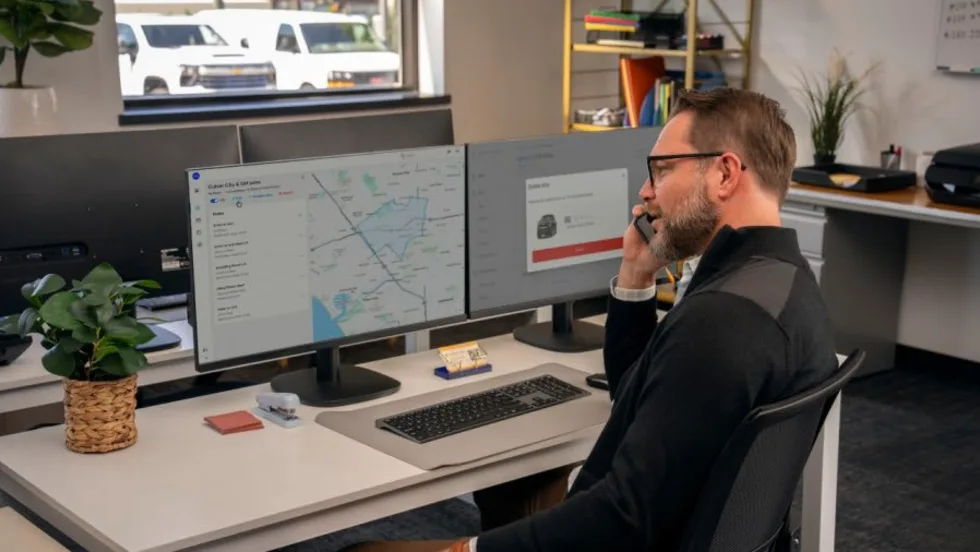
The new platform brings vehicle data, order tracking, connected services and fleet analytics into one system, with an AI assistant that can answer fleet questions using natural-language prompts.
Read More →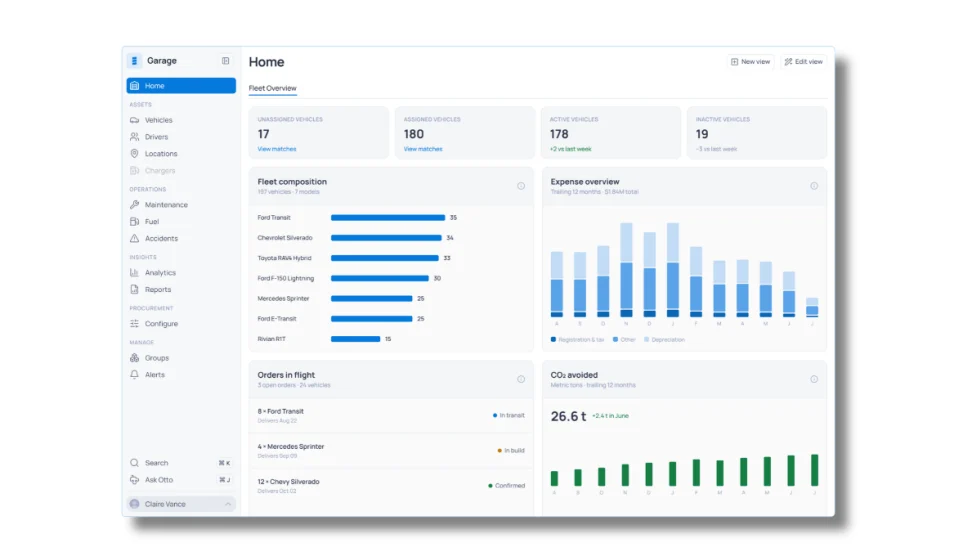
Inspiration Fleet Introduces Garage 2.0 Fleet Intelligence Platform
Fleet managers increasingly have access to data from vehicles, telematics, fuel, charging, and other systems, but those sources don't always communicate with one another. Inspiration Fleet's Garage 2.0 platform brings that information together while letting fleets keep working with different technology and service providers.
Read More →
Inside Inspiration Fleet’s New Platform for Connecting Fleet Data
Inspiration Fleet CTO Chris Getner explains how the new Garage 2.0 platform is designed to connect disparate fleet data and what that could mean for fleet managers in practice.
Read More →
Sponsored•October 1, 2026
Fleet Manager’s Ultimate Playbook: Navigating the New Standard in OEM Connectivity
Rising operating costs, driver safety concerns, and unplanned downtime are putting unprecedented pressure on modern fleets. Discover how fleet managers use embedded OEM connectivity and real-time vehicle data to cut TCO, prevent downtime, and protect drivers without aftermarket telematics hardware.
Read More →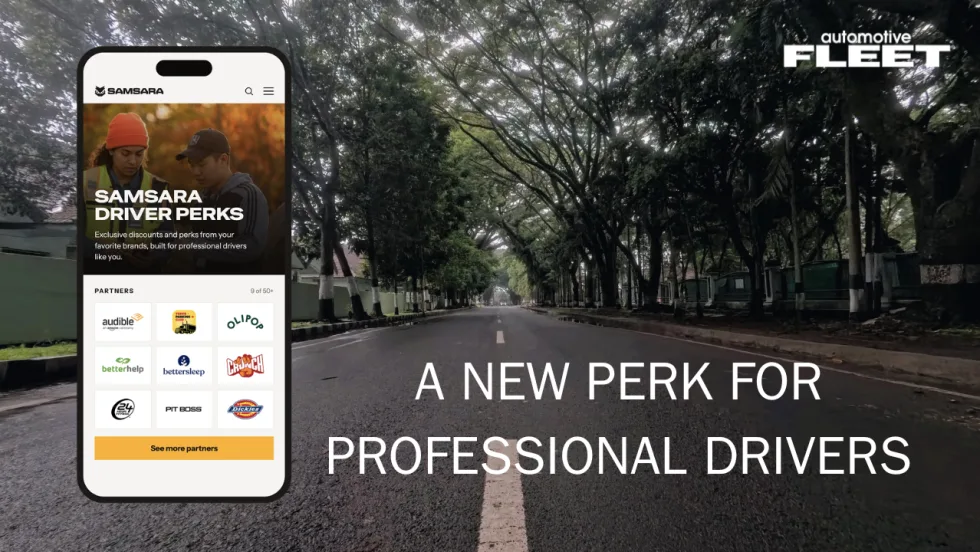
Samsara Driver Perks Adds New Benefit for Corporate Fleet Drivers
The rewards program gives eligible professional drivers access to discounts from more than 50 brands while giving fleets another way to support recruitment, retention, and the driver experience.
Read More →
Inside the Church of Jesus Christ of Latter-day Saints’ Two-Track Telematics Strategy
With 20,000 vehicles and two fundamentally different driver populations, the Church faced a fleet management problem that a single telematics program couldn't solve. How it responded offers a replicable framework for any fleet where one size doesn't fit every driver.
Read More →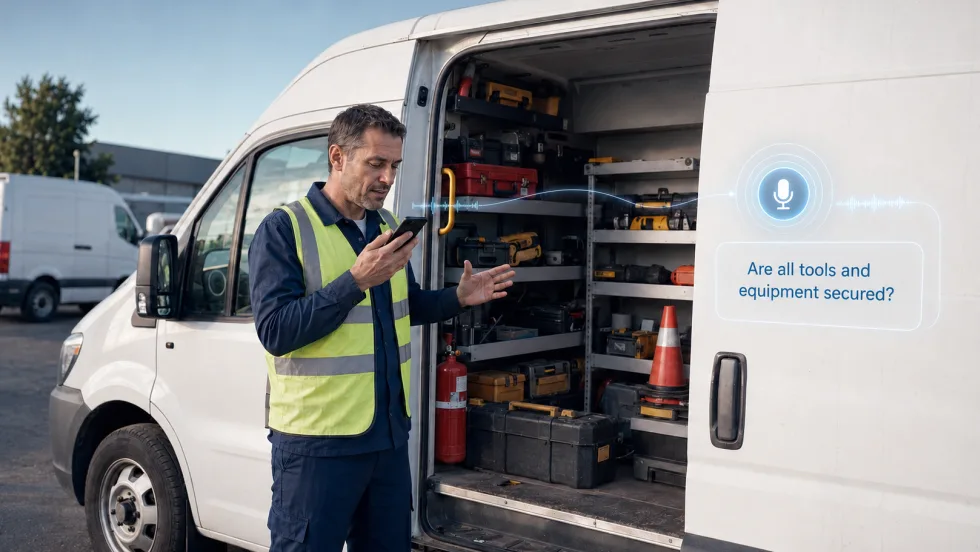
How Conversational AI Can Make Fleet Tasks Easier for Drivers
While most generative AI tools help fleet managers interpret data at their desks, Connex2X is applying voice interaction to tasks behind the wheel.
Read More →
Why Fleets Are Creating Dedicated Fleet Analyst Positions
Are fleet analyst positions the new norm? Listen here to find out.
Read More →
Teletrac Navman Begins Next Chapter as Standalone Private Company
What's new with Teletrac Navman and its new owner?
Read More →
Why Fleets Are Creating Dedicated Fleet Analyst Positions
Telematics, AI, EVs, and connected technologies are generating more fleet data than traditional teams can effectively manage. Reed Jackson explains why dedicated fleet analytics roles are emerging to turn that information into better operational decisions.
Read More →