




DOT, EPA Propose Fuel Efficiency Standards for Trucks, Buses
WASHINGTON - The U.S. Environmental Protection Agency (EPA) and the U.S. Department of Transportation (DOT) on Monday, Oct. 25, announced the first national standards to reduce greenhouse gas (GHG) emissions and improve fuel efficiency of heavy-duty trucks and buses.
WASHINGTON - The U.S. Environmental Protection Agency (EPA) and the U.S. Department of Transportation (DOT) on Monday, Oct. 25, announced the first national standards to reduce greenhouse gas (GHG) emissions and improve fuel efficiency of heavy-duty trucks and buses.
The new program is projected to reduce GHG emissions by about 250 million metric tons and save 500 million barrels of oil over the lives of the vehicles produced within the program's first five years, according to the EPA.
"These new standards are another step in our work to develop a new generation of clean, fuel-efficient American vehicles that will improve our environment and strengthen our economy," EPA Administrator Lisa P. Jackson said. "In addition to cutting greenhouse gas pollution, greater fuel economy will shrink fuel costs for small businesses that depend on pickups and heavy duty vehicles, shipping companies and cities and towns with fleets of these vehicles. Those savings can be invested in new jobs at home, rather than heading overseas and increasing our dependence on foreign oil."
EPA and DOT's National Highway Traffic Safety Administration (NHTSA) are proposing new standards for three categories of heavy trucks: combination tractors, heavy-duty pickups and vans, and vocational vehicles. The categories were established to address specific challenges for manufacturers in each area. For combination tractors, the agencies are proposing engine and vehicle standards that begin in the 2014 model year and achieve up to a 20-percent reduction in carbon dioxide (CO2) emissions and fuel consumption by 2018 model year.
"Through new fuel-efficiency standards for trucks and buses, we will not only reduce transportation's environmental impact, we'll reduce the cost of transporting freight," said U.S. Transportation Secretary Ray LaHood.
For heavy-duty pickup trucks and vans, the agencies are proposing separate gasoline and diesel truck standards, which phase in starting in the 2014 model year and achieve up to a 10-percent reduction for gasoline vehicles and 15-percent reduction for diesel vehicles by 2018 model year (12 and 17 percent respectively if accounting for air conditioning leakage). Lastly, for vocational vehicles, the agencies are proposing engine and vehicle standards -- starting in the 2014 model year -- that would achieve up to a 10-percent reduction in fuel consumption and CO2 emissions by 2018 model year.
Overall, NHTSA and EPA estimate that the heavy-duty national program would provide $41 billion in net benefits over the lifetime of MY 2014-2018 vehicles. With the potential for significant fuel efficiency gains, ranging from 7 to 20 percent, drivers and operators could expect to net significant savings over the long-term, the agencies said. For example, it is estimated an operator of a semi truck could pay for the technology upgrades in under a year, and save as much as $74,000 over the truck's useful life. Vehicles with lower annual miles would typically experience longer payback periods, up to four or five years, but would still reap cost-savings.
The technologies fostered by this program would also yield economic benefits, enhance energy security, and improve air quality, EPA said. New technologies include widespread use of aerodynamic improvements and tire rolling resistance, as well as engine and transmission upgrades.
EPA and NHTSA are providing a 60-day comment period that begins when the proposal is published in the Federal Register. For more details, click here.
As part of the process of developing this proposed rulemaking, NHTSA has prepared a draft Environmental Impact Statement (EIS) for its proposed fuel efficiency standards. The draft EIS compares the environmental impacts of the agency's proposal with those of a number of regulatory alternatives. Comments may be submitted on the draft EIS through January 3, 2011, and information on the submission of comments for this document will be available at www.nhtsa.gov.
More Green Fleet

EV Charging Use Is Outpacing Infrastructure Growth
ChargePoint’s 2026 Charging Forward Report points to rising charger use, higher-powered charging, commercial vehicle electrification, and energy-management technology. Here’s what fleets should know.
Read More →
Merchants Fleet Reports 290M EV Miles as Fleets Navigate Changing Electrification Market
From millions in operating savings to hundreds of millions of EV miles, Merchants Fleet’s latest report reveals what’s working and what’s changing in fleet electrification.
Read More →
The EV Breakdown Nobody's Talking About: Why Most Electric Vehicle Roadside Calls Aren't Mechanical Failures
Here's why EV breakdowns are widely misunderstood.
Read More →
ChargePoint Now Available in Energy Pass
ChargePoint and additional planned charging network integrations were added to GM's Energy Pass.
Read More →

First Look: Slate Auto's Electric Fleet Pickup
Could an affordable, modular EV pickup make electrification more practical for fleets?
Read More →
Slate Debuts Colorful, Unique EV Models
A recent media and client event, studded with electric vehicles dressed up on platforms, planted a new position for the manufacturer in the wider EV market. Fleets will find cost-saving advantages.
Read More →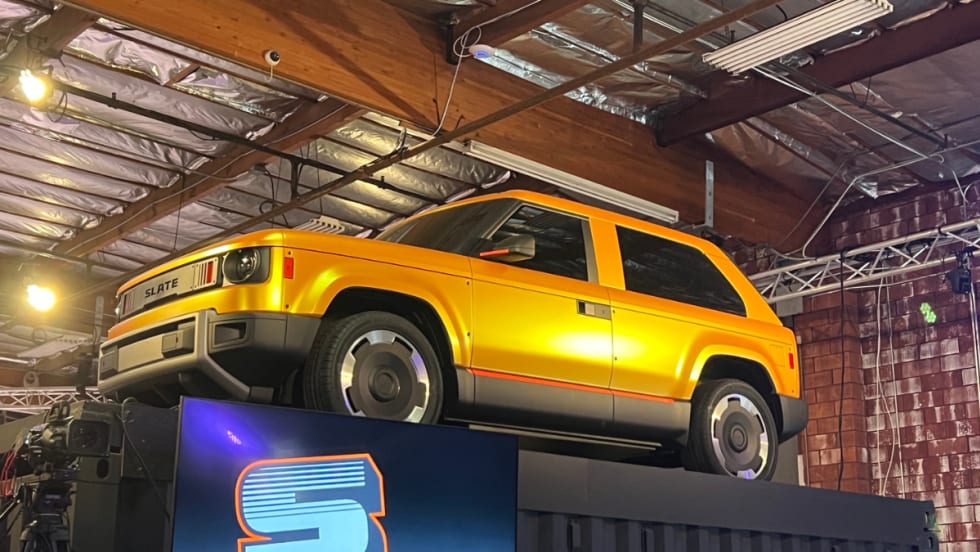
Slate Electric SUV, Pickup Switchable Model Aims For Light-Duty Fleets
Everything about this EV is counterintuitive and understated, making it stand out from the crowd.
Read More →
Inspiration Mobility Acquires Key Electrada Assets
Inspiration Mobility Group has acquired select assets of Electrada, adding the fleet electrification provider's team, technology, and charging infrastructure development capabilities to its energy management business.
Read More →
Turning Connected Vehicle Data Into Decisions That Matter
Fleet leaders have more data than ever, but turning that data into clear, actionable decisions remains a challenge. This white paper shows how leading organizations are using connected vehicle data to improve safety, reduce costs, and optimize fleet performance. Learn how to turn insight into action across your fleet.
Read More →