




DOE Invests in Lighter, Stronger Vehicle Materials to Help Boost Fuel Economy
WASHINGTON – Energy Secretary Steven Chu announced seven new projects to accelerate the development and deployment of stronger and lighter materials for the next generation of American-made cars and trucks.
WASHINGTON – On Aug. 13, U.S. Energy Secretary Steven Chu announced seven new projects to accelerate the development and deployment of stronger and lighter materials for the next generation of American-made cars and trucks. These projects include the development and validation of modeling tools to deliver higher performing carbon fiber composites and advanced steels, as well as research into new lightweight, high-strength alloys for energy-efficient vehicle and truck engines.
The new projects announced will help provide additional technologies and innovations that will enable manufacturers to continue to improve vehicle fuel efficiency beyond the regulated levels. Replacing cast iron and traditional steel components with lightweight materials – including advanced high-strength steel, magnesium, aluminum, and carbon fiber composites – allows vehicle manufacturers to include additional safety devices, integrated electronic systems and emissions control equipment on vehicles without increasing their weight. Using lighter materials also reduces a vehicle’s fuel consumption. Reducing a vehicle’s weight by just 10 percent can improve the fuel economy by 6 to 8 percent, according to the U.S. Department of Energy.
The new investments announced support materials innovation in two critical areas:
Improving Carbon Fiber Composites and Advanced Steel through Computational Design. The Energy Department will award two projects to validate existing modeling tools to optimize the performance and cost-effectiveness of carbon fiber and other specialized composite materials for vehicle body, chassis and interior uses. For example, Pacific Northwest National Laboratory, based in Richland, Wash., is receiving a $1 million investment to validate carbon fiber composite models.
Additionally, the Department is investing $6 million to develop new modeling tools to advance third-generation high-strength steels. Through this project, Detroit-based United States Automotive Materials Partnershipwill leverage an additional $2.5 million in private investment to help create modeling tools for deploying high-strength steels for lighter passenger vehicles.
Advanced Alloy Development for Automotive and Heavy-Duty Engines. The new investment also includes four projects that will develop lightweight, high-strength alloys for automotive and heavy duty engine blocks and cylinder heads. For instance, Caterpillar Inc, based near Peoria, Ill., is leveraging a $3.4 million Energy Department award, as well as $1.5 million in private investment, to develop high-strength iron-based alloys to allow for higher cylinder pressures and increased engine efficiency.
Read the full list of awards HERE.
The Energy Department will provide $8 million this year for these awards, and has requested an additional $13.75 million next year, subject to congressional appropriations, to support the completion of these projects over the next two to four years. The Department’s investments are leveraging an additional $11 million from the private sector. These projects support the Materials Genome Initiative, an effort announced by President Obama to double the speed and cut the cost of discovering, developing, and deploying new high-tech materials in the United States.
More Green Fleet

EV Charging Use Is Outpacing Infrastructure Growth
ChargePoint’s 2026 Charging Forward Report points to rising charger use, higher-powered charging, commercial vehicle electrification, and energy-management technology. Here’s what fleets should know.
Read More →
Merchants Fleet Reports 290M EV Miles as Fleets Navigate Changing Electrification Market
From millions in operating savings to hundreds of millions of EV miles, Merchants Fleet’s latest report reveals what’s working and what’s changing in fleet electrification.
Read More →
The EV Breakdown Nobody's Talking About: Why Most Electric Vehicle Roadside Calls Aren't Mechanical Failures
Here's why EV breakdowns are widely misunderstood.
Read More →
ChargePoint Now Available in Energy Pass
ChargePoint and additional planned charging network integrations were added to GM's Energy Pass.
Read More →

First Look: Slate Auto's Electric Fleet Pickup
Could an affordable, modular EV pickup make electrification more practical for fleets?
Read More →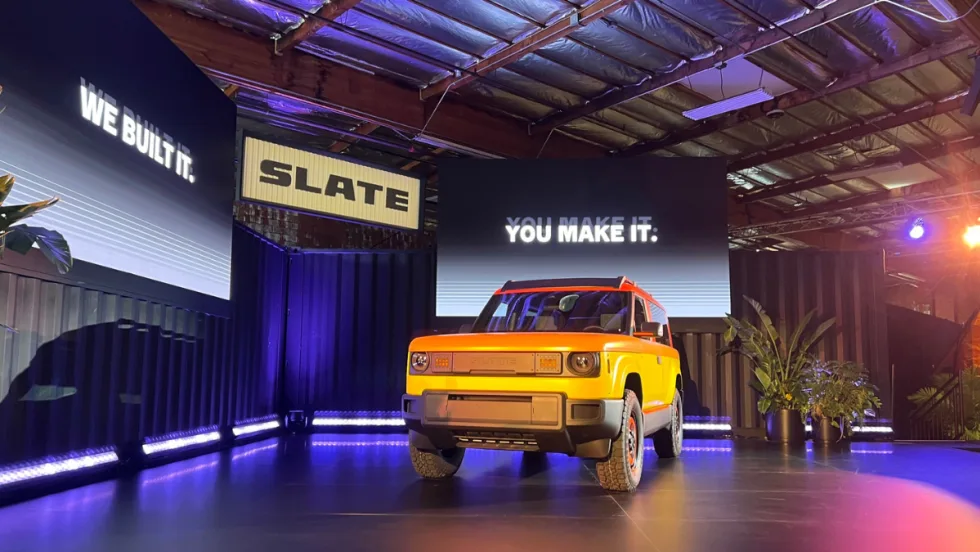
Slate Debuts Colorful, Unique EV Models
A recent media and client event, studded with electric vehicles dressed up on platforms, planted a new position for the manufacturer in the wider EV market. Fleets will find cost-saving advantages.
Read More →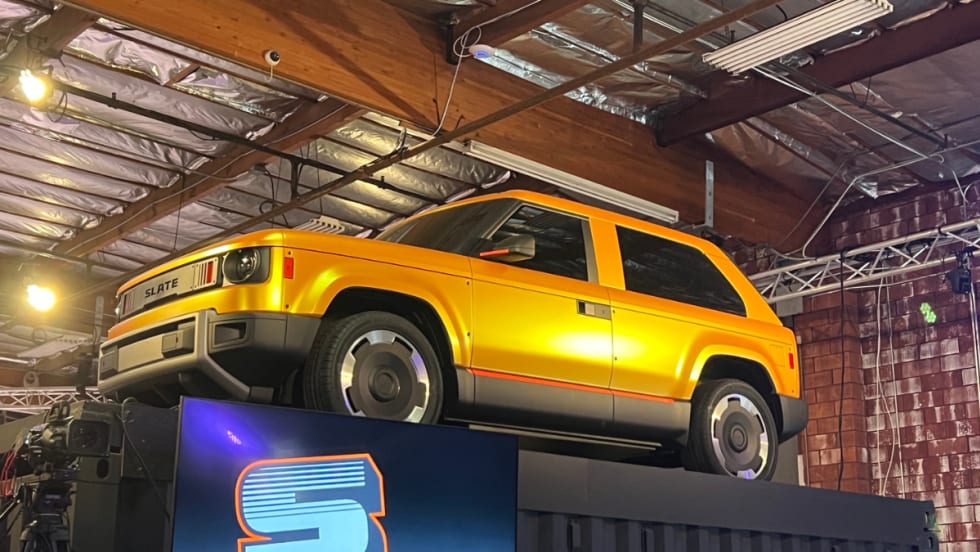
Slate Electric SUV, Pickup Switchable Model Aims For Light-Duty Fleets
Everything about this EV is counterintuitive and understated, making it stand out from the crowd.
Read More →
Inspiration Mobility Acquires Key Electrada Assets
Inspiration Mobility Group has acquired select assets of Electrada, adding the fleet electrification provider's team, technology, and charging infrastructure development capabilities to its energy management business.
Read More →
Turning Connected Vehicle Data Into Decisions That Matter
Fleet leaders have more data than ever, but turning that data into clear, actionable decisions remains a challenge. This white paper shows how leading organizations are using connected vehicle data to improve safety, reduce costs, and optimize fleet performance. Learn how to turn insight into action across your fleet.
Read More →