





Did You Miss This News? Fleet Drivers Distracted By Work and Want More Safety Training, Study Finds
Do You Know What These Warning Lights On Your Dash Mean?
See how many people correctly identified nine common dash warning symbols. Plus, why dashboard literacy is important.
June 20, 2024
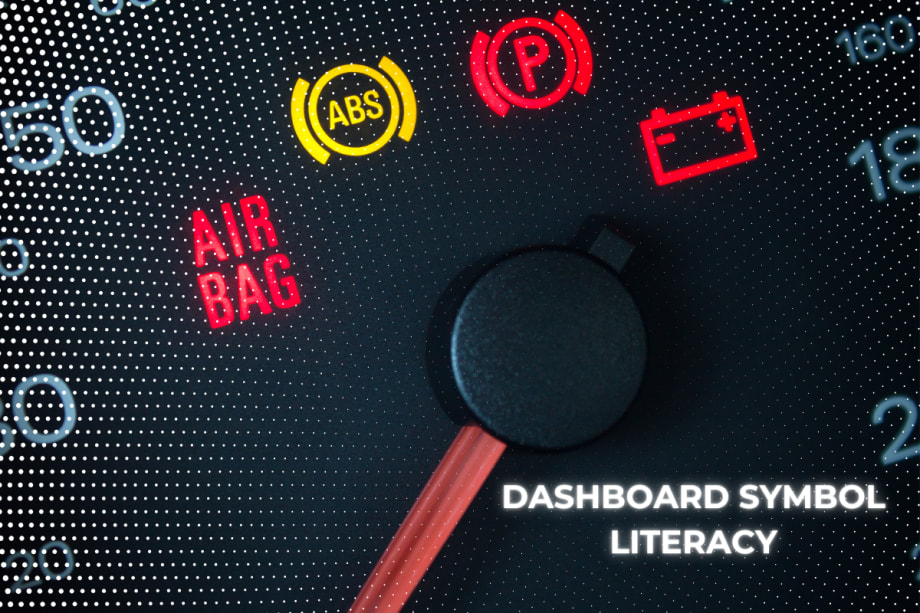
In a recent survey, just 7% of drivers said they were extremely confident in their ability to correctly identify all warning lights in their vehicle.
Photo: Automotive Fleet
3 min to read
When warning lights illuminate on your fleet drivers' dash, do they know what the symbols mean? Ignoring them can be dangerous.
A recent survey from car seat manufacturer Diono sheds light on which symbols U.S. drivers struggle the most to identify. While the survey was for consumers, the responses can reveal how commercial fleet drivers may also struggle to properly understand or respond their vehicle’s dashboard warning lights.
Why Understanding Warning Lights is Important
Confusion about dash symbols could lead to increased road mishaps and highlights a critical gap in automotive safety education.
The study asked 2,000 U.S drivers a series of questions to assess how well they recognize and react to the array of symbols that flash across their dashboards. Drivers were also asked to correctly identify some of the most common warning lights.
Just 7% of drivers said they were extremely confident in their ability to correctly identify all warning lights in their vehicle.
When asked 'What would you do if a warning light came on and you didn't know what it meant?', the study showed an alarming number of drivers would choose to try ignore the problem:
15% would stop their vehicle immediately if a warning light appeared, demonstrating a cautious approach.
19% would keep driving and hope the issue went away, risking potential damage.
34% would call someone like a family member, or Google it to understand the warning,
27% would head straight to an auto repair shop,
5% admit they would ignore the light unless something else seemed wrong.
"Drivers understanding what the warning signs on their vehicles mean could be the difference between life and death, for you, your passengers, or other road users," Diono CEO Tim Maule said. "These warning signs are there for your safety and should never be ignored. If one comes on, don't ignore it. If you don't know what a warning sign means, either refer to your car manual or take a picture and check it with Google or ChatGPT to be told what it means then seek expert mechanical help if appropriate."
When asked if they had ever ignored a warning light, over half of drivers said no, but 35% said they had ignored one at least once. When asked why, a fifth of those drivers said they didn’t know what the warning light meant.
Findings Reveal Dashboard Literacy is Somewhat Lacking
Despite not being confident in their ability to correctly identify warning lights, a large amount of respondents still chose the correct option for nine common symbols in the multiple choice survey. The graphic below shows how many people correctly identified each symbol.
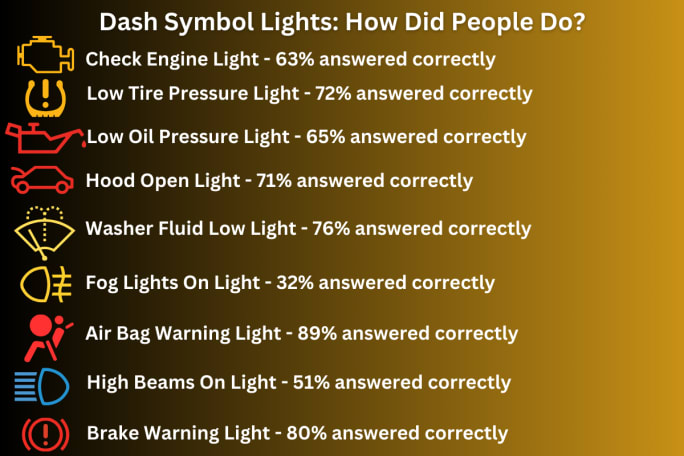
The survey revealed at least half of survey respondents could properly identify eight out of nine common dash symbols.
Source: Diono
Photo: Automotive Fleet
The symbol most correctly identified was the 'Air Bag Warning' light, which indicates a problem with the vehicle's air bag system. A total of 89% of respondents correctly identified it. Behind that was the 'Brake Warning' light, which indicates an issue with the brake system. Eighty percent of respondents correctly identified that symbol.
The 'Fog Lights On' light drew the lowest correct responses, with only 32% of people surveyed identifying it correctly.
The findings suggest that while cars are becoming more advanced, driver education on dashboard literacy is still somewhat behind, Diono stated in a news release.
More Maintenance

Sponsored•October 1, 2026
Fleet Manager’s Ultimate Playbook: Navigating the New Standard in OEM Connectivity
Rising operating costs, driver safety concerns, and unplanned downtime are putting unprecedented pressure on modern fleets. Discover how fleet managers use embedded OEM connectivity and real-time vehicle data to cut TCO, prevent downtime, and protect drivers without aftermarket telematics hardware.
Read More →
How Can Fleet Managers Tell Which Repairs Require Closer Review?
Fleetio’s Brianna Perry demonstrates how Service Advisor evaluates maintenance requests, identifies pricing anomalies, and provides the context fleet managers need to focus their attention on potential problems.
Read More →
Why Roadside Assistance Belongs in a Fleet Risk Strategy
Roadside assistance is more than a tow. See how the right partner can protect drivers, uncover fleet trends, and strengthen your risk strategy.
Read More →
Sponsored•August 7, 2026
Hidden in Plain Sight: Fleet Compliance Risks
Fleet compliance isn't just about having policies — it's about consistently enforcing them. This practical guide reveals six hidden compliance risks common in public sector and shared fleet operations and outlines proven strategies to improve visibility, accountability, and audit readiness
Read More →
How Maintenance Costs Compare Across 27 Fleet Vehicles
Vincentric’s three-year, 60,000-mile projections reveal wide differences for both scheduled and unscheduled maintenance among selected vehicle categories. Projected maintenance visits also play a factor.
Read More →
The EV Breakdown Nobody's Talking About: Why Most Electric Vehicle Roadside Calls Aren't Mechanical Failures
Here's why EV breakdowns are widely misunderstood.
Read More →
How Stellantis Plans to Get Ahead of Fleet Downtime
Keeping fleet vehicles on the road has become as important as buying them. Darren Bradshaw of Mopar North America explains how connected vehicle data, AI, and proactive service strategies are helping Stellantis reduce downtime and move closer to predictive maintenance.
Read More →
Merchants Fleet Expands Maintenance Network with Pep Boys
Merchants Fleet has expanded its relationship with Pep Boys, increasing the service provider's role within its national maintenance network. The move is intended to enhance maintenance coordination and support commercial fleets through Pep Boys' nationwide footprint.
Read More →
The Two Biggest Summer Downtime Threats for Fleets
A conversation with a maintenance expert reveals the two most common summer maintenance pains and how to prevent them.
Read More →
From Marine Corps Motor Pool to Managing 460 Fleet Vehicles
Cesar Ayala of O’Connell Landscape Maintenance shares how he transitioned from the Marine Corps to managing a 460-vehicle fleet—and the real-world challenges of maintenance, compliance, and driver management in California.
Read More →