




DISH Network Deploying 200 ROUSH CleanTech Propane Autogas Vans in 2013
Pay-TV provider DISH Network Corp. announced at the NTEA's 2013 Work Truck Show in Indianapolis that it will roll out 200 ROUSH CleanTech propane autogas-fueled Ford E-250 cargo vans in its fleet in 2013. DISH said its new alt-fuel vans will support its residential and commercial customer service in Atlanta, Chicago, Detroit, Los Angeles, and San Francisco.
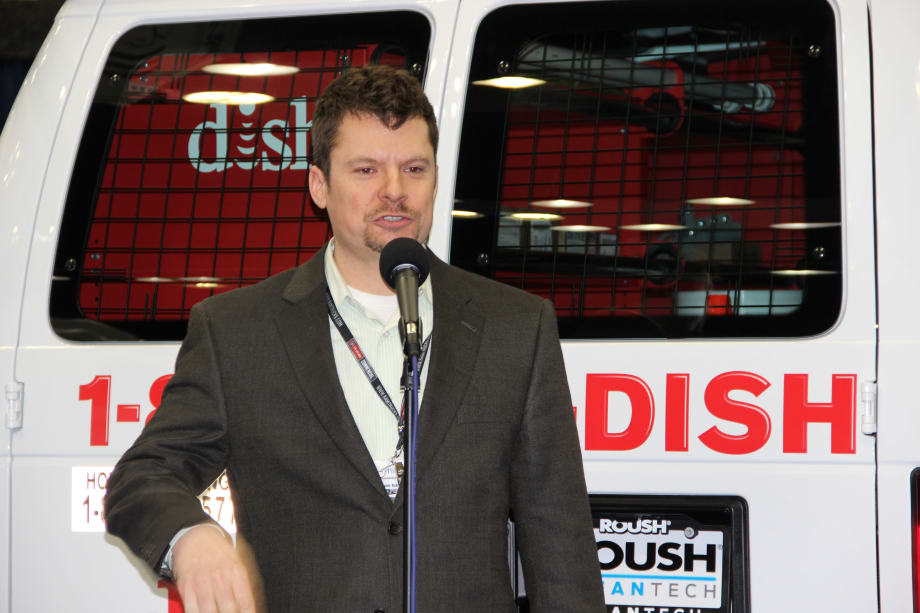
DISH Network announced it will deploy 200 propane autogas-fueled ROUSH CleanTech Ford E-250 vans in the U.S. in 2013. Photo by Lauren Fletcher.
Pay-TV provider DISH Network Corp. announced at the NTEA's 2013 Work Truck Show in Indianapolis that it will roll out 200 ROUSH CleanTech propane autogas-fueled Ford E-250 cargo vans in its fleet in 2013.
The satellite-TV company estimated that these new propane autogas-powered vehicles will reduce carbon dioxide emissions by 12.5 million lbs. over the lifetime of the fleet’s operation when compared with gasoline-powered counterparts. DISH said its new alt-fuel vans will support its residential and commercial customer service in Atlanta, Chicago, Detroit, Los Angeles, and San Francisco.
“These clean-burning propane autogas vehicles are better for our environment, our communities, and operate more efficiently,” said Erik Carlson, executive vice president of service and installation at DISH. “DISH expects to save about $2,500 per vehicle in annual lifecycle costs due to a 55% reduction in fuel costs and the cleaner burning properties of propane autogas.”
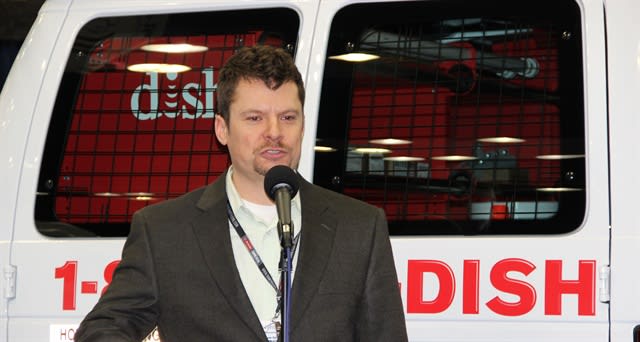
DISH Network announced it will deploy 200 propane autogas-fueled ROUSH CleanTech Ford E-250 vans in the U.S. in 2013. Photo by Lauren Fletcher.
ROUSH’s Todd Mouw commented on DISH Network’s decision, saying “Economical, clean-burning propane autogas is an excellent option for fleets looking for more efficient operation,” said Todd Mouw, vice president of sales and marketing for ROUSH CleanTech. “Propane autogas is sourced domestically and is cheaper per mile to operate.”
DISH said since private, on-site propane autogas refueling infrastructure is cost-effective; it makes it economical for DISH to install refueling stations at each of the company’s initial deployment locations. The company added that more than 90% of the propane used in the U.S. comes from domestic sources of natural gas and petroleum. DISH also said the domestic nature of the fuel and related technology influenced its decision to go with propane autogas. ROUSH added that its supply chain is primarily based in North America.
“As one of the nation’s largest fleets with locations across the country, we believe we can have a real impact by putting a viable alternative fuel to work for us,” DISH's Carlson said.
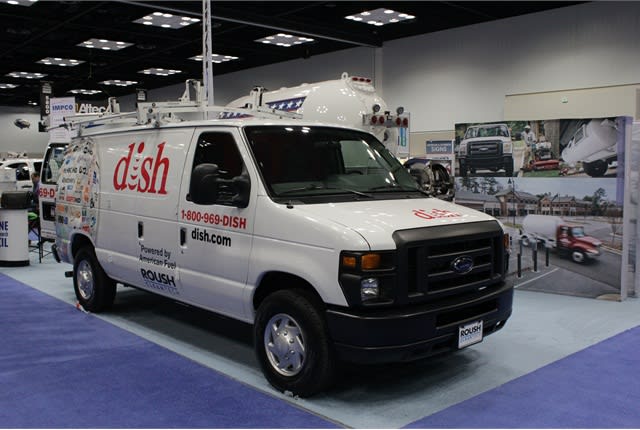
One of the Ford E-250 ROUSH CleanTech propane autogas vans that DISH is placing into service this year.
More Green Fleet
New Propane Autogas Program Offers Fleet Compensation
Qualified commercial fleets can receive $7,500 per eligible propane autogas vehicle and up to $10,000 for new refueling site prep. Learn how the program works and see whether your fleet qualifies.
Read More →
EV Charging Use Is Outpacing Infrastructure Growth
ChargePoint’s 2026 Charging Forward Report points to rising charger use, higher-powered charging, commercial vehicle electrification, and energy-management technology. Here’s what fleets should know.
Read More →
Merchants Fleet Reports 290M EV Miles as Fleets Navigate Changing Electrification Market
From millions in operating savings to hundreds of millions of EV miles, Merchants Fleet’s latest report reveals what’s working and what’s changing in fleet electrification.
Read More →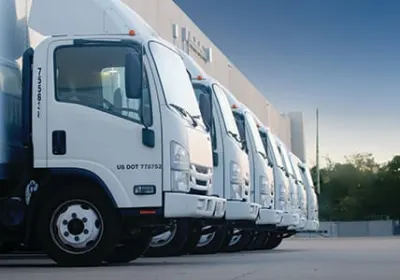

The EV Breakdown Nobody's Talking About: Why Most Electric Vehicle Roadside Calls Aren't Mechanical Failures
Here's why EV breakdowns are widely misunderstood.
Read More →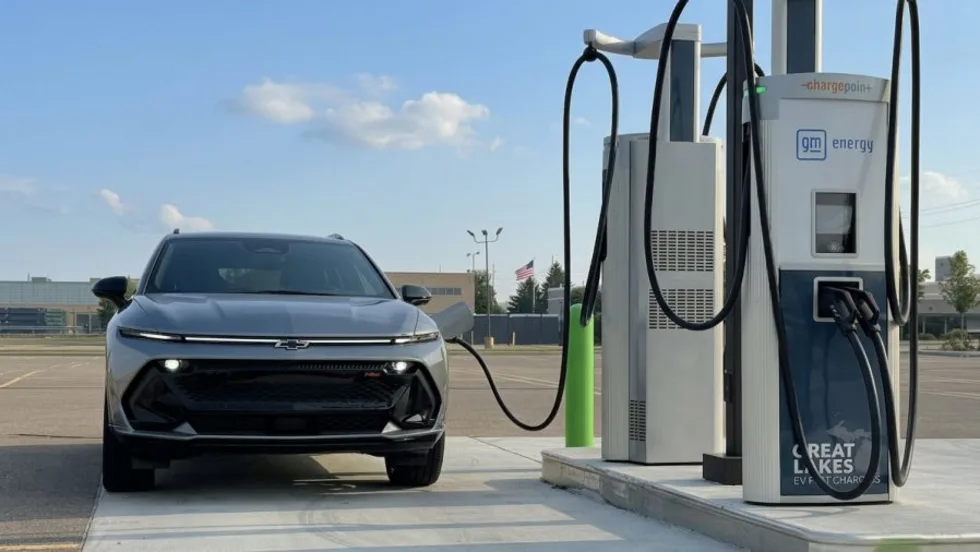
ChargePoint Now Available in Energy Pass
ChargePoint and additional planned charging network integrations were added to GM's Energy Pass.
Read More →

First Look: Slate Auto's Electric Fleet Pickup
Could an affordable, modular EV pickup make electrification more practical for fleets?
Read More →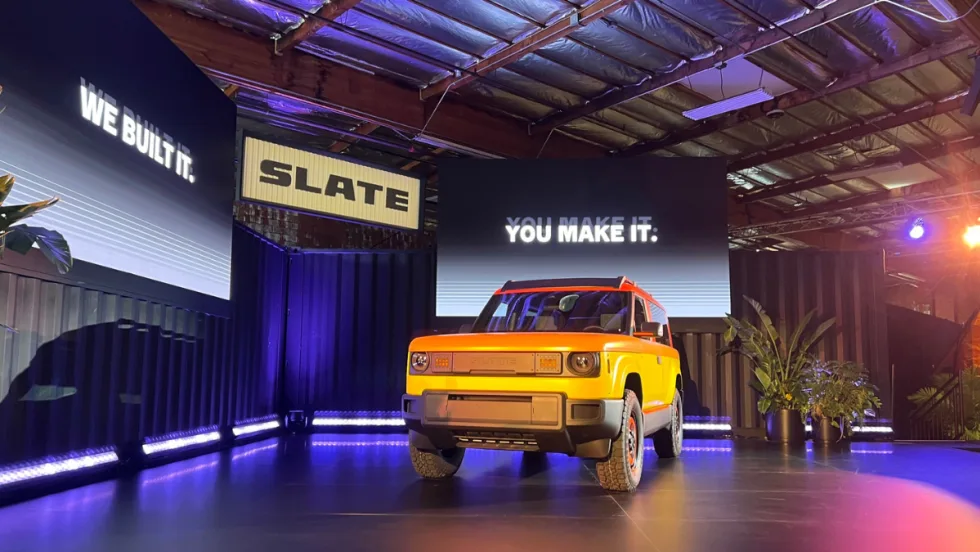
Slate Debuts Colorful, Unique EV Models
A recent media and client event, studded with electric vehicles dressed up on platforms, planted a new position for the manufacturer in the wider EV market. Fleets will find cost-saving advantages.
Read More →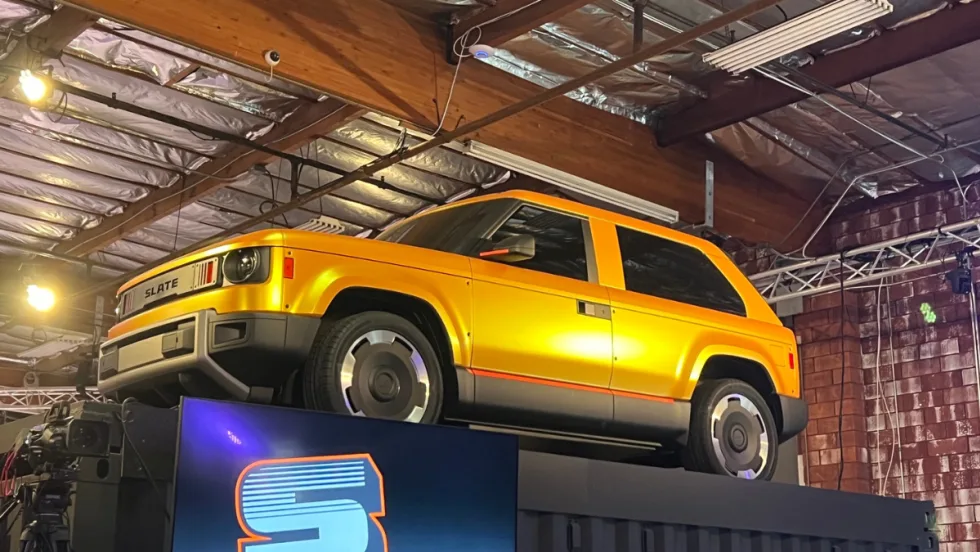
Slate Electric SUV, Pickup Switchable Model Aims For Light-Duty Fleets
Everything about this EV is counterintuitive and understated, making it stand out from the crowd.
Read More →
Inspiration Mobility Acquires Key Electrada Assets
Inspiration Mobility Group has acquired select assets of Electrada, adding the fleet electrification provider's team, technology, and charging infrastructure development capabilities to its energy management business.
Read More →