




Disaster Readiness Starts Before the Storm [Call for Experts]
The 2026 Disaster Response Guide is officially underway, and we’re now opening a Call for Insights and Experts. Call closes February 20!

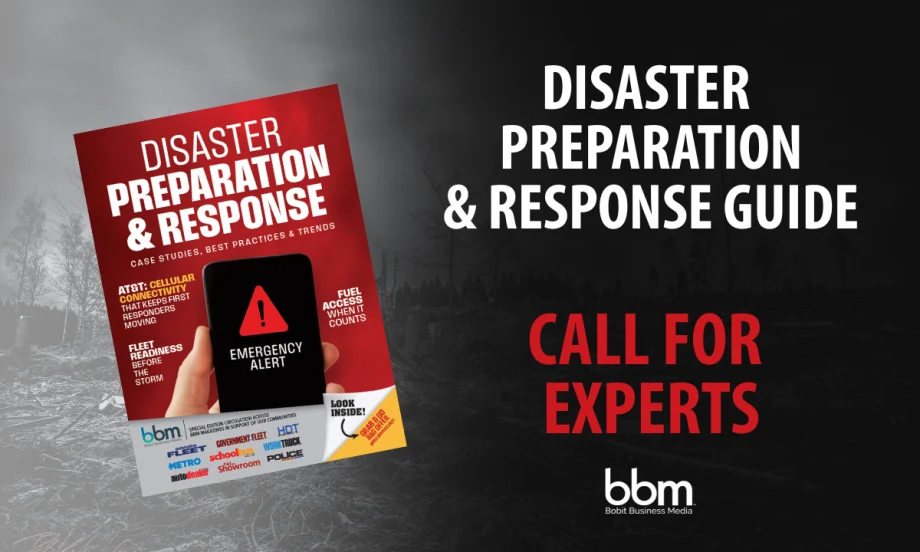
If you have expertise to share, we’d love to hear from you. Submissions will help shape our 2026 coverage, and we’ll be reaching out to select experts once the call closes.
CREDIT: Bobit Business Media
If you work with vehicles in any capacity, you already know the truth: disasters don’t wait for your schedule.
Wildfires. Flooding. Hurricanes. Winter storms. Extreme heat. Tornadoes. Smoke conditions that shut down operations. Even widespread outages that take communication, fuel access, and supply chains offline.
Whether you’re managing a fleet, running a dealership, operating a small business with service vehicles, supporting public sector transportation, or keeping equipment and customers moving, disaster readiness has become part of the job.
That’s why the 2026 Disaster Response Guide is officially underway, and we’re now opening a Call for Insights and Experts. But don't wait - the call for insights closes February 20!
The Disaster Response Guide is an annual resource for fleet, trucking, transportation, public-sector, and vehicle-based business leaders who need real-world guidance on preparing, responding to, and recovering from disasters. It focuses on practical strategies, lessons learned, and tools that help teams stay operational and make smart decisions under pressure.
“This guide is built for the real-world grit of people who keep vehicles moving for work,” said Lauren Fletcher, VP of Content at Bobit Business Media. “It’s not just about having a plan. It’s about knowing what actually works when things go sideways, and sharing that knowledge so others can respond faster and recover stronger.”
Share Your Expertise for the 2026 Guide
We’re looking for insight from people across the vehicle ecosystem, including:
fleet and transportation leaders
dealerships and service teams
small businesses and contractors
OEMs, upfitters, and maintenance providers
utilities, infrastructure, public sector, and emergency response
insurance, risk, technology, and connectivity experts
You can contribute by:
participating as an expert interview source
writing an educational article or case study
sharing a quote or quick insight
providing data or research we can cite
What Topics Are We Looking for This Year?
We’re interested in insights and lessons learned related to:
emergency planning and preparedness
business continuity and operational resilience
vehicle staging, relocation, and asset protection
communication planning and backup systems
fuel and energy readiness
EV preparedness and charging continuity
safety and training for drivers and teams
insurance, risk mitigation, and recovery planning
technology, telematics, and data readiness
supply chain disruptions and maintenance planning
real-world disaster response experiences and takeaways
and other trends that YOU see happening
Ready to Contribute?
If you have expertise to share, we’d love to hear from you. Submissions will help shape our 2026 coverage, and we’ll be reaching out to select experts as we receive entries, which are due by February 20. All interviews or contributions are due by March 16 and will be available to our readers online around the end of March.
Submit your insights using our Call for Experts form here:
https://forms.office.com/r/nNFy0e7qZq
To explore the 2025 Disaster Response guide and downloadable resources, visit https://www.disasterresponseguide.com/.
Originally posted on Work Truck Online
More Safety
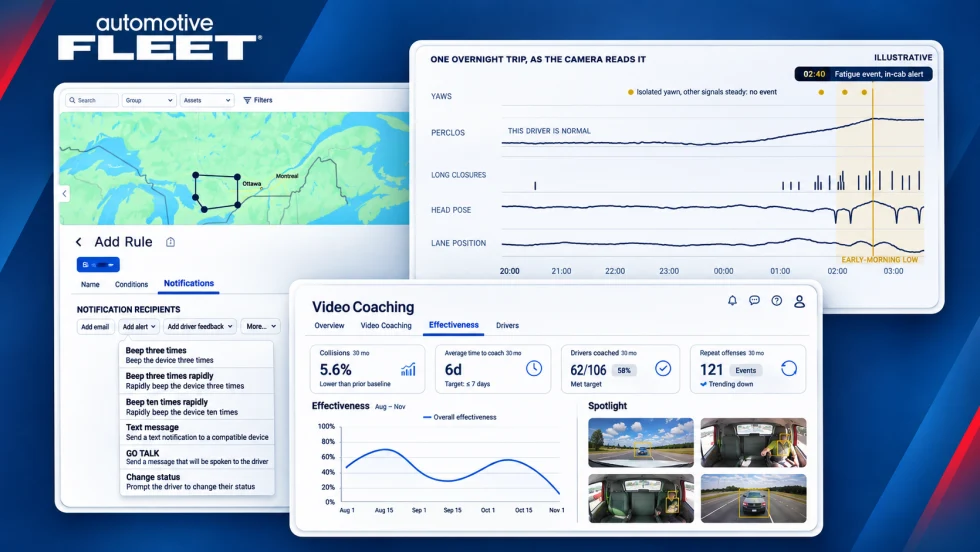
Geotab Adds AI-Powered Driver Coaching and Fatigue Detection Features
New capabilities include fatigue monitoring, two-way audio, coaching effectiveness analytics and location-based privacy controls for fleet safety management.
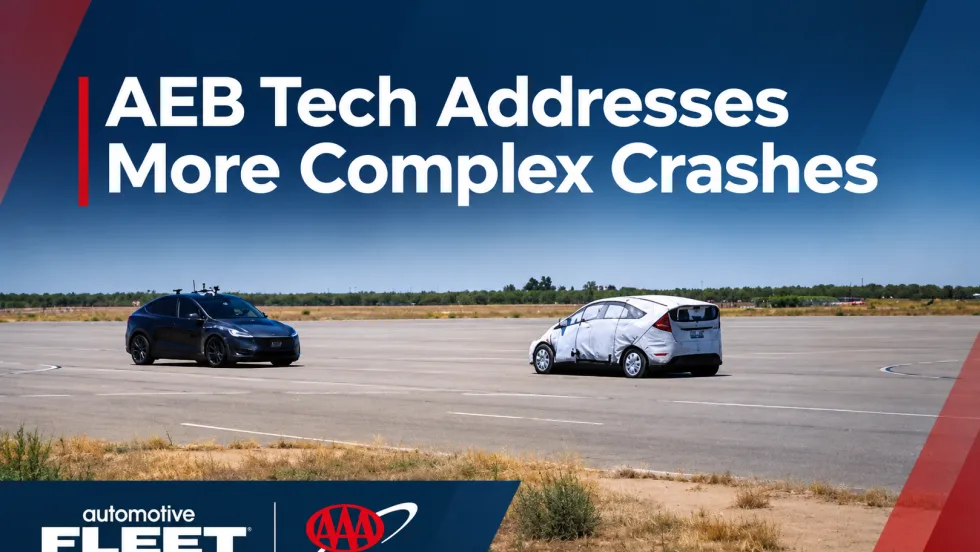
AAA Testing Finds Gaps in Intersection AEB Crash Prevention
Testing of four 2026 model-year vehicles found that automatic emergency braking prevented collisions in standardized intersection scenarios, but three vehicles failed to avoid crashes when another vehicle turned into their path.
Which Fleet Types Have the Highest Severe Speeding Rates?
New research from SambaSafety finds significant differences in speeding rates across fleet industries, even as nearly 90% of surveyed fleets report using telematics.
When a Cyberattack Hits Your Fleet: What Happens Next?
“You have two opportunities to test your plans: when you choose or when the threat actor chooses.” A cybersecurity expert reveals what fleet managers need to know before a cyberattack puts their operations at risk — and why the decisions made in the first moments can shape the entire recovery.

Tips for Driving Safely on Halloween Night
This video features a reminder from the Connecticut Department of Transportation (DOT) and the Connecticut Police Chiefs Association, urging drivers to prioritize safety this Halloween.

IIHS Crash Avoidance Tests Reveal Safety Gaps in Cargo Vans and Work Trucks
New IIHS crash avoidance ratings show uneven performance among cargo vans and heavy-duty pickups, with most struggling to avoid vehicle-to-vehicle collisions.

What’s Next for Fleet? Safety, AI & Industry Recognition | AF News Recap
Could your company's culture be encouraging distracted driving? This week, we're exploring how workplace expectations affect driver safety, what AI, EVs, and autonomous vehicles could mean for the future of fleet management, and how fleet professionals can strengthen their award nominations.

Does Your Fleet's Culture Encourage Distracted Driving?
What happens when the people responsible for enforcing safety rules are the ones setting the wrong example? The answer may reveal why some of the biggest risks to fleet drivers have little to do with what's written in the employee handbook.

Fleet Manager’s Ultimate Playbook: Navigating the New Standard in OEM Connectivity
Rising operating costs, driver safety concerns, and unplanned downtime are putting unprecedented pressure on modern fleets. Discover how fleet managers use embedded OEM connectivity and real-time vehicle data to cut TCO, prevent downtime, and protect drivers without aftermarket telematics hardware.

From Driver Well-Being to EV Charging | AF News Recap
Mental health belongs in the fleet safety conversation. This week, we’re looking at five ways fleets can support employee well-being before a crisis, plus Holman’s expansion in Mexico, new one-day Fleet Forward passes, and why EV charging demand is outpacing infrastructure growth.