





Related: Gas vs. Diesel: The Bad Investment Only Fleet Managers Know About
Diesel Truck Residual Values Rise With Mileage
Diesel-powered pickup trucks sell for more than 30% of their gasoline counterparts after three years of fleet usage and return greater value with higher odometer readings, according to data from ADESA.
May 19, 2016
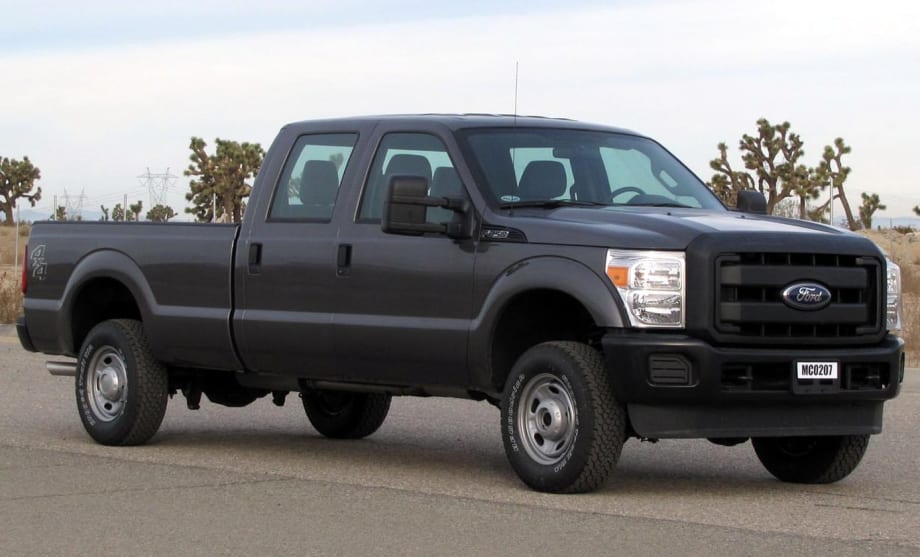
Photo of 2012 Ford F-250 SuperCrew via Wikimedia.
2 min to read
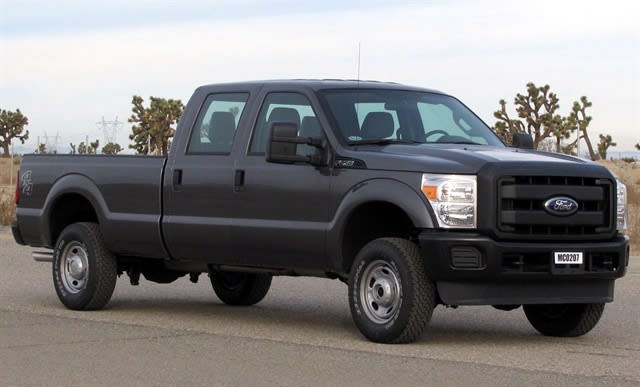
Photo of 2012 Ford F-250 SuperCrew via Wikimedia.
Diesel-powered pickup trucks sell for more than 30% of their gasoline counterparts after three years of fleet usage and return greater value with higher odometer readings, according to data from ADESA.
A diesel 2012 Ford F-250 would have cost 27% more to purchase, selling for $40,700 to the $32,000 cost of its gasoline counterpart, but in 2016 would sell for $23,600 at auction versus the $17,500 fetched by the gasoline truck, which equates to a 35% spread ($6,100) in value if miles are not a factor.
In this example, the case for diesel improves when mileage increases.
For example, a diesel-powered 2012 F-250 with between 100,000 and 150,000 miles would gain an additional $1,000 in residual value, while the gasoline version would lose $1,000, creating a $2,000 spread.
When the mileage exceeds 150,000, the diesel-powered 2012 F-250 holds steady, while the gasoline truck loses $3,000 in residual value. The diesel truck sells for $23,600 at auction while the gasoline truck sells for $14,000, meaning the diesel truck would return 69% more value than the gasoline truck.
"Because the diesel engine can perform well with greater miles, the return is far greater when the miles hit over 100,000 on the odometer," said Jane Morgan, president of ADESA's specialty sales division. "Performance and pull capacity is critical."
On a gasoline engine, ADESA uses a formula of minus 5 cents per mile over 20,000 miles per year (plus 3 cents per mile if under 15,000 miles per year). For the diesel engine, ADESA uses a formula of minus 4 cents per mile over 45,000 miles per year (plus 0.025 cents per mile if under 35,000 miles per year).
More Remarketing
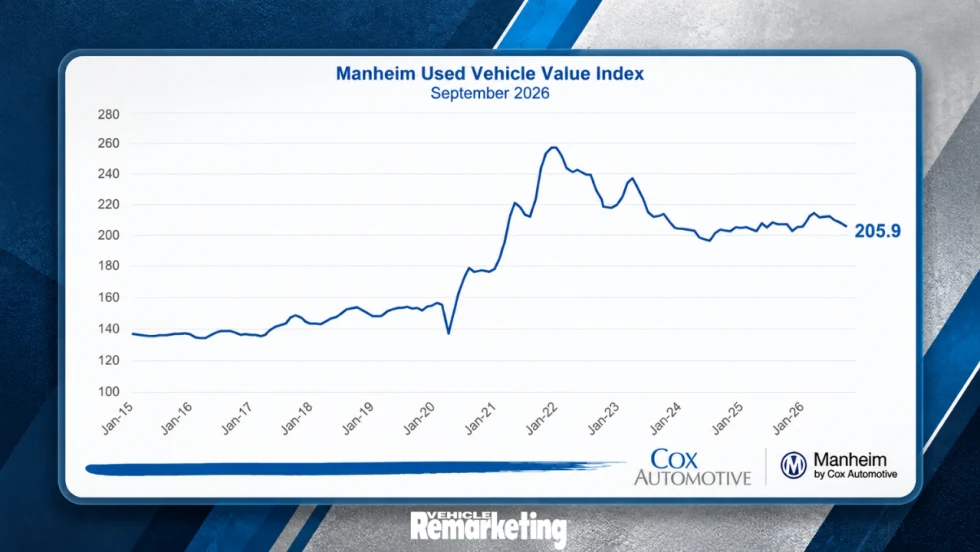
Wholesale Used-Vehicle Values Fall as Cox Automotive Cuts 2026 Forecast
Wholesale used-vehicle prices declined in September as depreciation accelerated, prompting Cox Automotive to lower its year-end forecast.
Read More →
FLD Promotes Three Executives in Leadership Changes
FLD has promoted three longtime executives, naming Gary Mott CEO, Richard Mallek president, and Ron Sanders managing partner.
Read More →
Ford Pro Launches Certified Pre-Owned Program for Commercial Vehicles
Ford Pro Advantage will offer certified pre-owned Class 1-7 commercial vehicles through more than 700 Ford Pro Commercial Vehicle Centers.
Read More →
Copart to Acquire ACV in $1.9 Billion Deal
The acquisition would expand Copart beyond its traditional salvage business into dealer-to-dealer wholesale remarketing while adding ACV’s vehicle data, inspection, and valuation technology.
Read More →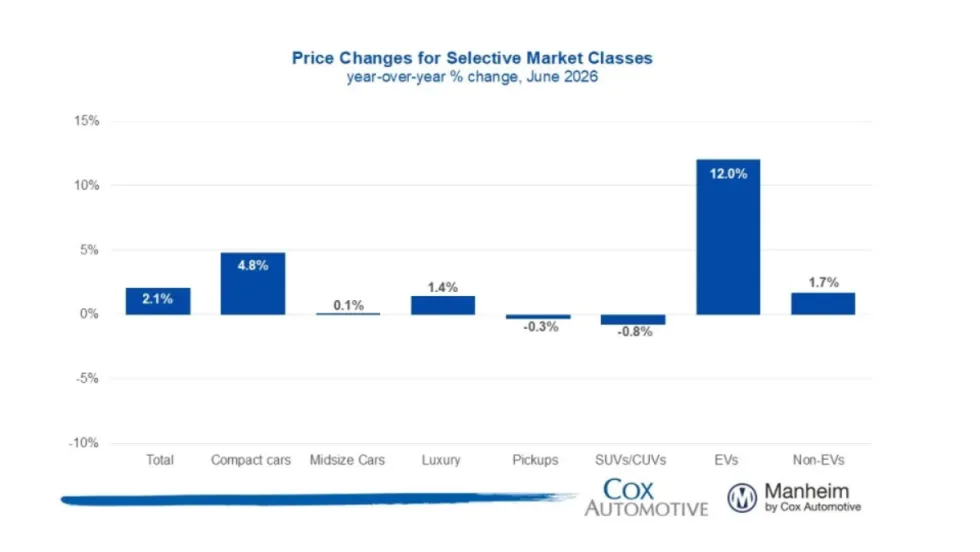
Manheim Index Shows Used-Vehicle Wholesale Prices Up 2.1% in June
The market is seeing stronger appreciation in older used vehicles this year, and the most affordable segments have been among the year’s best performers.
Read More →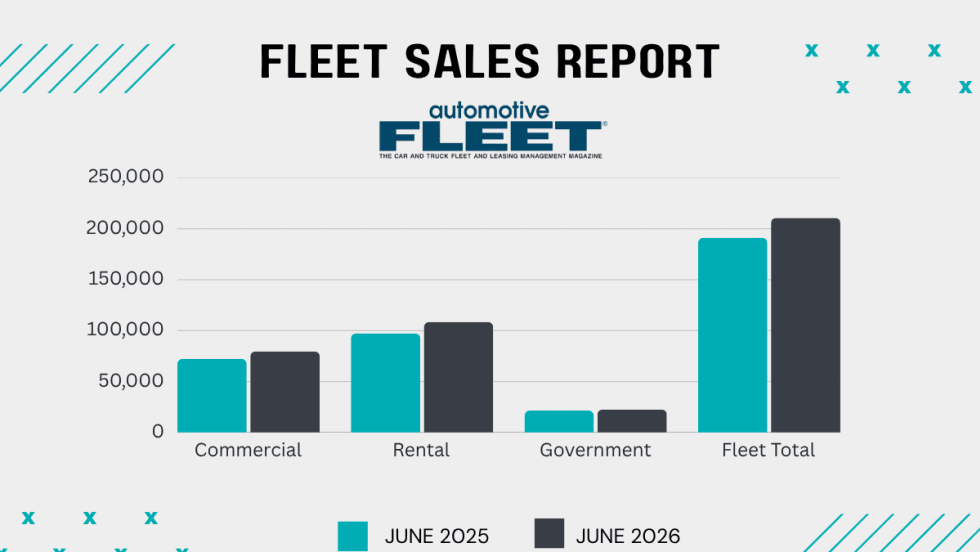
Commercial Fleet Sales Contribute To June, YTD Gains
The fleet sector has boosted its vehicle purchases at a reliable pace in the first half of this year compared with 1H 2025.
Read More →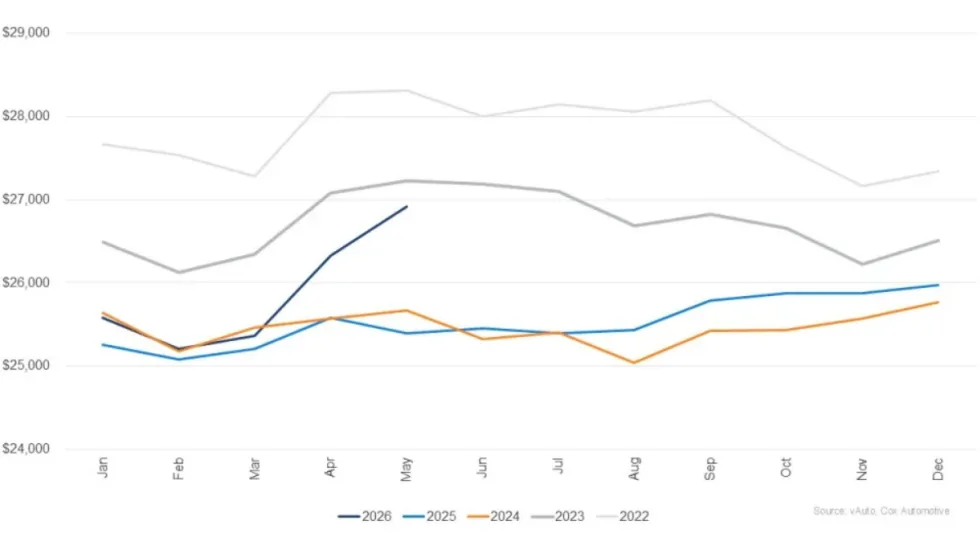
Used Vehicle Prices Climb Higher As Sales Pace Slows
The higher prices at used retail reflect strong wholesale values earlier in the spring, particularly for older, more affordable vehicles.
Read More →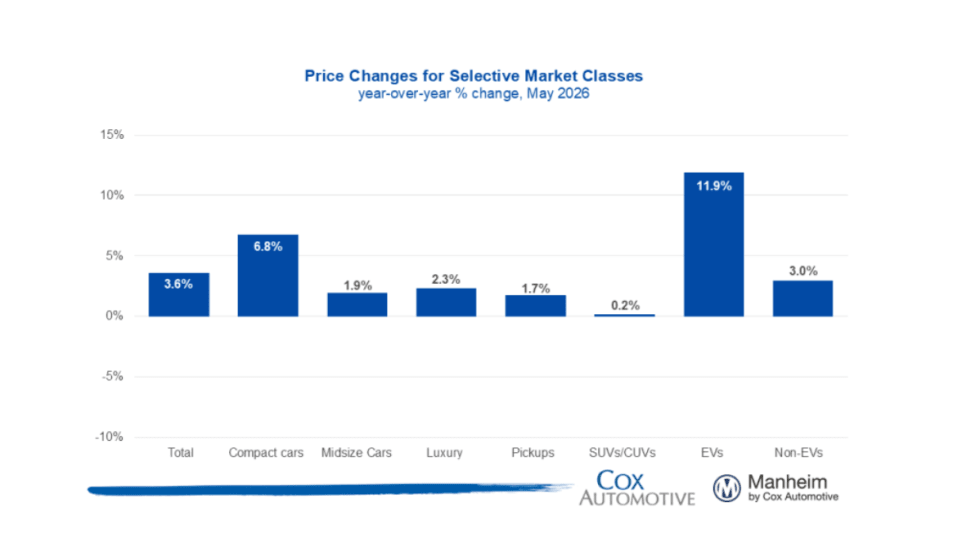
Wholesale Used Vehicle Market Sustains Moderate Rise In Values, Prices
Trends continue to normalize after a strong start to the year, as consumers contend with higher gas prices in the coming summer months.
Read More →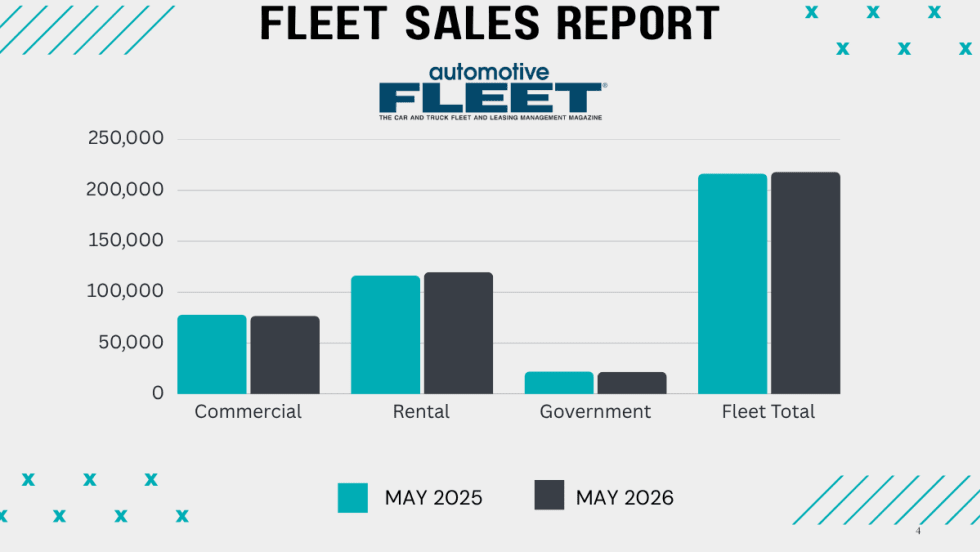
Commercial Fleet Sales Still Lead Sectors Despite May Mini Dip
The U.S. economy's continued growth and positive business investment are creating a favorable environment for fleet vehicle demand.
Read More →
How Connected Vehicle Data Is Lifting Fleet Resale Values
A vehicle health score could improve the value of fleet vehicles at remarketing. The path to a universal standard is forming, and fleets that understand the process early will be better positioned when it arrives.
Read More →