





Related: Impact of Full ELD Enforcement: ‘A Firehose of Violations’
Despite Full ELD Enforcement, Truck Capacity Increased
It's hard to deny that electronic logging devices have had an effect on the trucking industry in the short time since they were mandated, but it might not be in the ways you'd expect.
April 19, 2018
2 min to read
A reduction in truck capacity was a concern for the trucking industry when the electronic logging device mandate soft enforcement period ended April 1, yet capacity has increased 11% on the spot market since then, according to DAT Solutions.
But it doesn’t mean that ELDs aren't having an impact on the industry. DAT recently surveyed its carrier customers about ELDs and detention, the majority of which were owner-operators, and found the ELDs were negatively affecting profitability.
Owner-operators are the hardest hit by the ELD regulation, having to personally take on the cost of buying and installing a solution as well as dealing with potential reduced productivity, according to DAT.
Most survey respondents were currently running ELDs; nearly 60% of those carriers had implemented electronic logs in the past three months. Of the carriers running ELDs, more than 70% reported that they were earning less money than they were prior to implementation.
A majority were also driving fewer miles now than before installing ELDs, and 71% said they were making less money. DAT asked respondents if the ELD mandate had changed how they prioritize loads, and 87% said yes.
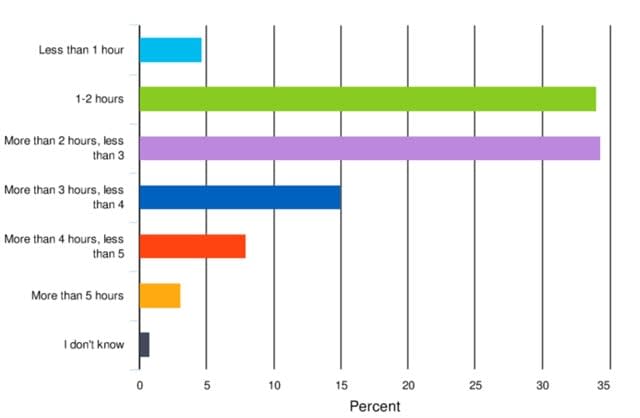
The majority of carriers said that they had experienced loading times of 2-3 hours on average. Source: DAT Solutions
The inflexibility of hours of service rules while using ELDs has caused detention time to hit drivers harder since implementation. Carriers said that rate per mile was the most important factor in deciding to take a load, followed by the length of haul and a broker’s reputation. The least important factor was traffic on the route.
According to DAT, shippers are not taking driver hours of service into account during loading and offloading, with more than 77% reporting wait times of more than two hours on one out of every five loads. And to top it off, when drivers need to stop driving, as many as 87% of them are having a much harder time finding parking since the ELD mandate took effect in December.
Despite the growing pains of ELD implementation and some previous fears of a mass exodus of owner-operators from the trucking industry once the mandate kicked in, only 2.8% of those surveyed said they were likely to leave the trucking industry.
The DAT ELD and Detention report is available here.
More Telematics
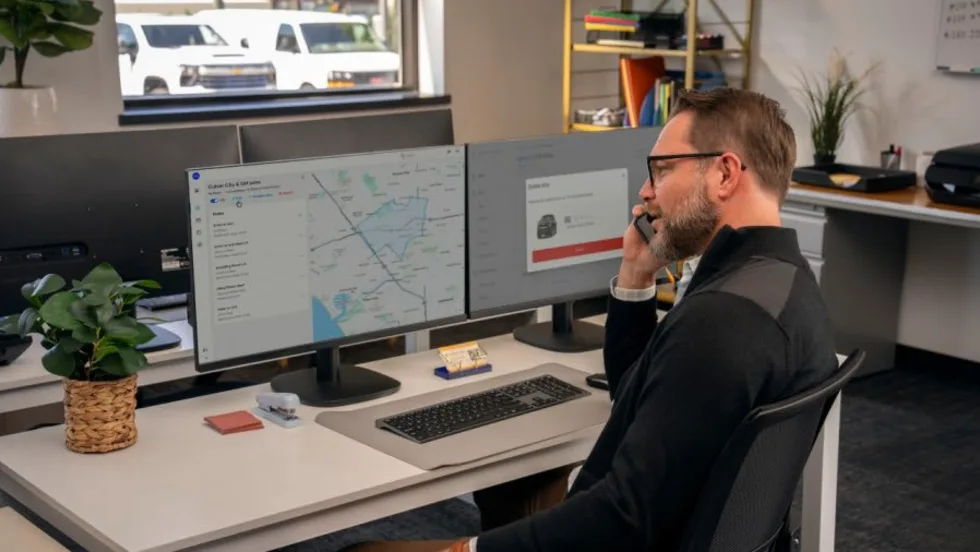
GM Launches OnStar Fleet Intelligence Platform With AI Assistant
The new platform brings vehicle data, order tracking, connected services and fleet analytics into one system, with an AI assistant that can answer fleet questions using natural-language prompts.
Read More →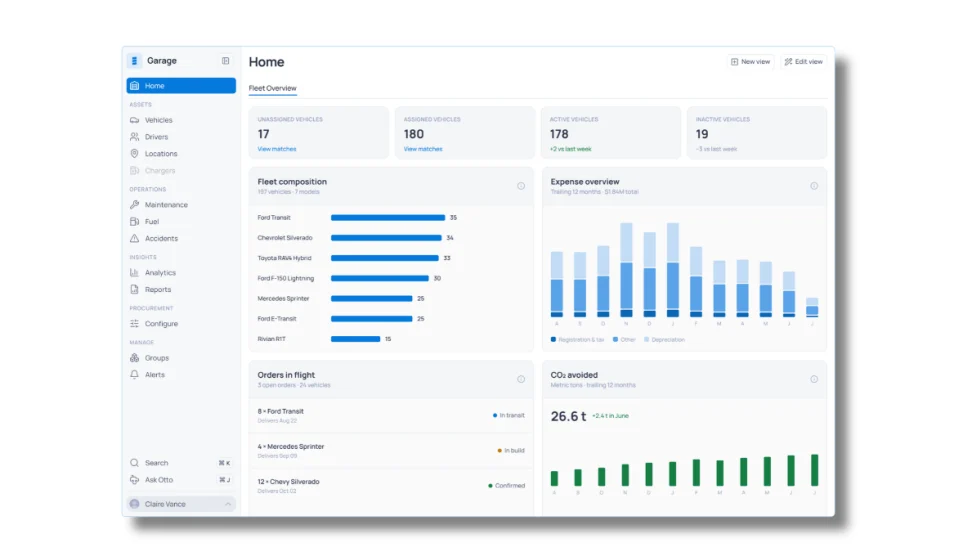
Inspiration Fleet Introduces Garage 2.0 Fleet Intelligence Platform
Fleet managers increasingly have access to data from vehicles, telematics, fuel, charging, and other systems, but those sources don't always communicate with one another. Inspiration Fleet's Garage 2.0 platform brings that information together while letting fleets keep working with different technology and service providers.
Read More →
Inside Inspiration Fleet’s New Platform for Connecting Fleet Data
Inspiration Fleet CTO Chris Getner explains how the new Garage 2.0 platform is designed to connect disparate fleet data and what that could mean for fleet managers in practice.
Read More →
Sponsored•October 1, 2026
Fleet Manager’s Ultimate Playbook: Navigating the New Standard in OEM Connectivity
Rising operating costs, driver safety concerns, and unplanned downtime are putting unprecedented pressure on modern fleets. Discover how fleet managers use embedded OEM connectivity and real-time vehicle data to cut TCO, prevent downtime, and protect drivers without aftermarket telematics hardware.
Read More →
Samsara Driver Perks Adds New Benefit for Corporate Fleet Drivers
The rewards program gives eligible professional drivers access to discounts from more than 50 brands while giving fleets another way to support recruitment, retention, and the driver experience.
Read More →
Inside the Church of Jesus Christ of Latter-day Saints’ Two-Track Telematics Strategy
With 20,000 vehicles and two fundamentally different driver populations, the Church faced a fleet management problem that a single telematics program couldn't solve. How it responded offers a replicable framework for any fleet where one size doesn't fit every driver.
Read More →
How Conversational AI Can Make Fleet Tasks Easier for Drivers
While most generative AI tools help fleet managers interpret data at their desks, Connex2X is applying voice interaction to tasks behind the wheel.
Read More →
Why Fleets Are Creating Dedicated Fleet Analyst Positions
Are fleet analyst positions the new norm? Listen here to find out.
Read More →
Teletrac Navman Begins Next Chapter as Standalone Private Company
What's new with Teletrac Navman and its new owner?
Read More →
Why Fleets Are Creating Dedicated Fleet Analyst Positions
Telematics, AI, EVs, and connected technologies are generating more fleet data than traditional teams can effectively manage. Reed Jackson explains why dedicated fleet analytics roles are emerging to turn that information into better operational decisions.
Read More →