




Related: Derive to Demo Telematics Solution at Fleet Forward Conference
Derive Reaches Emissions Settlement with Feds
Derive Systems has agreed to a $300,000 civil penalty and estimates that it will spend about $6.25 million to address a federal complaint that it sold engine control devices designed to override the emissions control systems of vehicles in violation of the Clean Air Act.

Paul Clinton・Former Senior Web Editor
3 min to read
Derive Systems has agreed to a $300,000 civil penalty and estimates that it will spend about $6.25 million to address a federal complaint that it sold engine control devices designed to override the emissions control systems of vehicles in violation of the Clean Air Act.
The Florida-based company, which settled with the U.S. Environmental Protection Agency and U.S. Department of Justice, said in a statement that it didn't sell defeat devices.
The engine tuning products were sold under the Bully Dog and SCT brands for use in gasoline and diesel-powered vehicles. The tuners and Advantage software were able to access and overwrite the manufacturer's software.
Derive also offers its idle-management and telematics product Derive VQ, which includes an OBD-II plug-in device, to commercial and government fleets. Derive VQ wasn't included in the settlement, and complies with EPA regulations, according to the company.
Under the terms of the settlement, Derive must bring its products into compliance, said Jeffrey Wood, acting assistant attorney general for the Justice Department's Environment and Natural Resources Division.
"Tremendous progress has been made and the air is much cleaner today across the nation," Wood said. "Unfortunately, not everyone is playing by the rules. Today's settlement will bring Derive Systems and its aftermarket products into compliance with the Clean Air Act, and demonstrates to other manufacturers that products designed to unlawfully thwart vehicle emissions control systems will not be tolerated."
The settlement resolves claims about several Derive products that were developed by companies prior to Derive's acquisition of them, according to the company. Derive acquired SCT and Bully Dog in 2014.
"We are committed to continued cooperation and a partnership with the EPA in the effort to serve our industry and guarantee that standards and practices remain current as automotive aftermarket technology advances," said David Thawley, CEO of Derive Systems. "We look forward to applying the enhanced practices and procedures within our operations and across our brand portfolio and to our continuing leadership position in encouraging the industry to similarly embrace strong environmental performance."
In addition to the fine, Derive estimates it will spend about $6.25 million on training for customers, testing of preloaded tunes, and building of a compliance team over the next few years. The agreement doesn't require Derive to recall existing products or stop selling its products.
"Our goal with EPA was to find a mutually beneficial solution while continuing to be able to deliver valued products to our loyal customers," Thawley said. "Today, I firmly believe we've achieved both and, in doing so, are fulfilling our mission to bring technology innovation to every vehicle on the road."
Derive filed lawsuits in Utah against the former owners of Bully Dog and EZ Lynk in 2016.
The settlement is expected to be finalized by a federal judge by the end of the year.
Derive Systems is headquartered in Sanford, Florida, and maintains offices in Broomfield, Colorado, and Pocatello, Idaho.
More Telematics
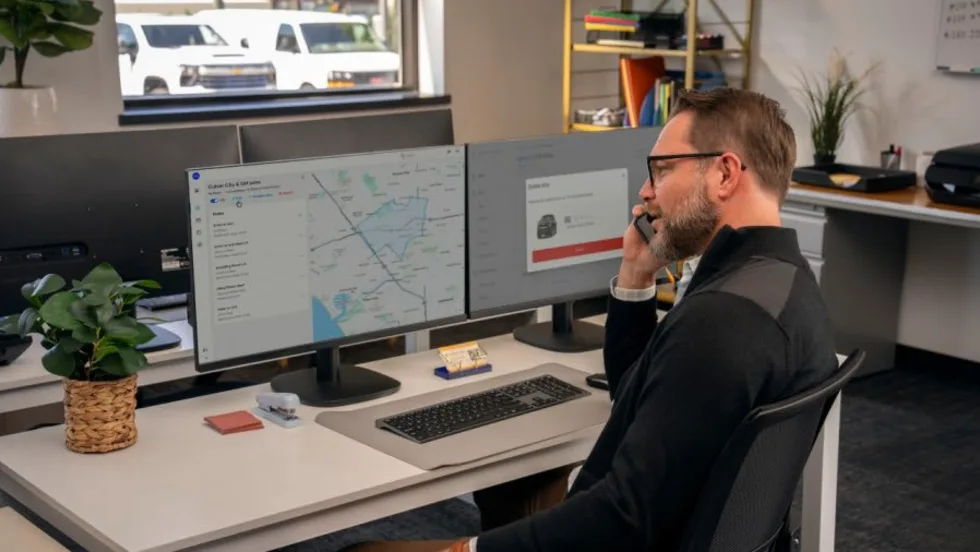
GM Launches OnStar Fleet Intelligence Platform With AI Assistant
The new platform brings vehicle data, order tracking, connected services and fleet analytics into one system, with an AI assistant that can answer fleet questions using natural-language prompts.
Read More →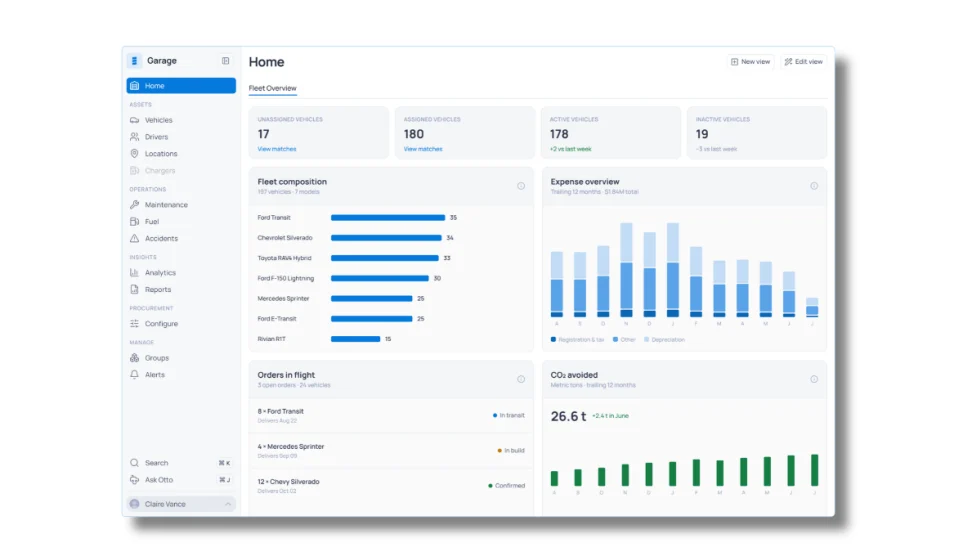
Inspiration Fleet Introduces Garage 2.0 Fleet Intelligence Platform
Fleet managers increasingly have access to data from vehicles, telematics, fuel, charging, and other systems, but those sources don't always communicate with one another. Inspiration Fleet's Garage 2.0 platform brings that information together while letting fleets keep working with different technology and service providers.
Read More →
Inside Inspiration Fleet’s New Platform for Connecting Fleet Data
Inspiration Fleet CTO Chris Getner explains how the new Garage 2.0 platform is designed to connect disparate fleet data and what that could mean for fleet managers in practice.
Read More →
Sponsored•October 1, 2026
Fleet Manager’s Ultimate Playbook: Navigating the New Standard in OEM Connectivity
Rising operating costs, driver safety concerns, and unplanned downtime are putting unprecedented pressure on modern fleets. Discover how fleet managers use embedded OEM connectivity and real-time vehicle data to cut TCO, prevent downtime, and protect drivers without aftermarket telematics hardware.
Read More →
Samsara Driver Perks Adds New Benefit for Corporate Fleet Drivers
The rewards program gives eligible professional drivers access to discounts from more than 50 brands while giving fleets another way to support recruitment, retention, and the driver experience.
Read More →
Inside the Church of Jesus Christ of Latter-day Saints’ Two-Track Telematics Strategy
With 20,000 vehicles and two fundamentally different driver populations, the Church faced a fleet management problem that a single telematics program couldn't solve. How it responded offers a replicable framework for any fleet where one size doesn't fit every driver.
Read More →
How Conversational AI Can Make Fleet Tasks Easier for Drivers
While most generative AI tools help fleet managers interpret data at their desks, Connex2X is applying voice interaction to tasks behind the wheel.
Read More →
Why Fleets Are Creating Dedicated Fleet Analyst Positions
Are fleet analyst positions the new norm? Listen here to find out.
Read More →
Teletrac Navman Begins Next Chapter as Standalone Private Company
What's new with Teletrac Navman and its new owner?
Read More →
Why Fleets Are Creating Dedicated Fleet Analyst Positions
Telematics, AI, EVs, and connected technologies are generating more fleet data than traditional teams can effectively manage. Reed Jackson explains why dedicated fleet analytics roles are emerging to turn that information into better operational decisions.
Read More →