




Delivery Van Completes Driverless Demo at Parcel Depot
The van, equipped with Arrival’s Automated Driving System, was able to autonomously complete all operations performed daily by a commercial fleet driver.

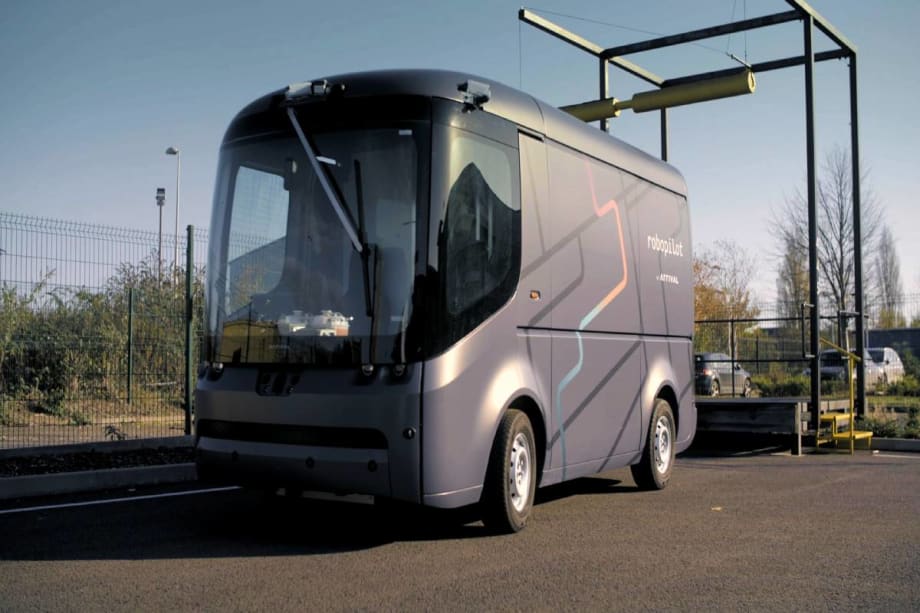
Arrival will begin testing its autonomous driving functionalities on roads in the U.K.
Photo: Robopilot
Arrival announced its automated driving system (ADS) has successfully completed a live demonstration at a fully functioning parcel depot for the first time without a human driver inside the Arrival Van. The vehicle was able to autonomously complete all operations that are performed daily by a commercial fleet driver, the company said in a statement.
As part of Robopilot, Arrival has been developing its autonomous driving functionality for the Arrival Van. The technology can be adapted for the planned rollout of all Arrival Vehicles, including the Arrival Bus and Arrival Car.
Arrival’s ADS uses in-house algorithms, combined with hardware helping to fast-track the development of self-driving technology. The company will begin testing its autonomous driving functionalities on roads in the U.K.
“At Arrival, we are building supplementary technologies that will help drivers. Depot maneuvers are the most accident-prone parts of a worker’s shift and with our technology, we hope to introduce greater safety by removing human driving errors happening in confined environments,” said Max Kumskoy, head of advanced driver assistance and ADS, Arrival. “We are starting with a fixed controlled environment in the depot, where we are truly able to test and validate our technology. We can then understand how it will operate on public roads, in our vehicles, and how it can be implemented worldwide.”
Innovate UK and the Centre for Connected Autonomous Vehicles (CCAV) part-funds Robopilot.
More Fleet Forward

Chad Edmondson Named 2026 Fleet Safety Award Winner
The VSC Fire & Security fleet director oversees more than 1,100 assets nationwide. His approach to improving driver safety emphasizes collaboration, employee engagement, and building trust with the people behind the wheel.
Read More →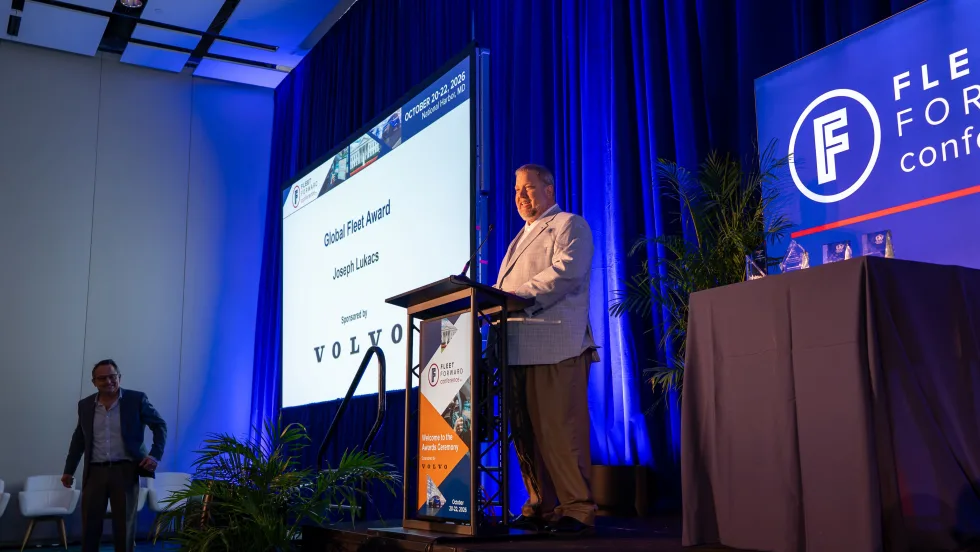
Joseph Lukacs Wins 2026 Global Fleet Manager of the Year
The Sherwin-Williams fleet leader adds another industry honor to his career after being named the 2025 Edward J. Bobit Professional Fleet Manager of the Year.
Read More →
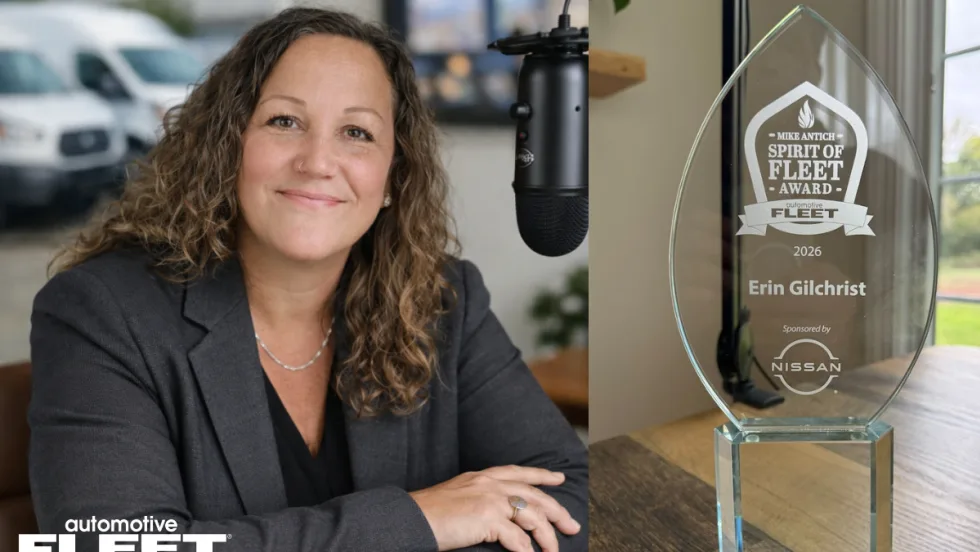
Erin Gilchrist Receives Mike Antich Spirit of Fleet Award
Last week at AFLA in Vegas, Erin Gilchrist received the inaugural, brand-new Spirit of Fleet Award.
Read More →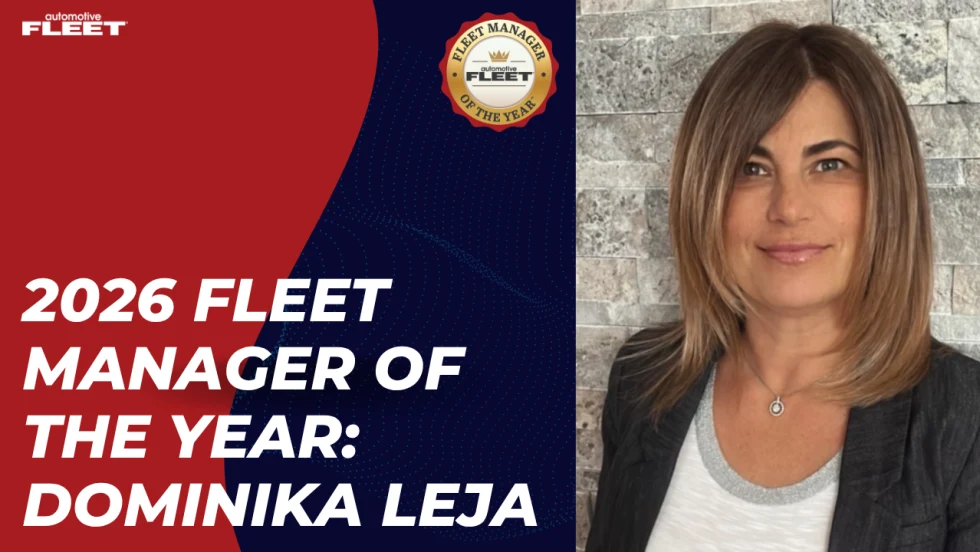
Dominika Leja Named the 2026 Fleet Manager of the Year
The AstraZeneca associate director of fleet was recognized for her leadership in fleet electrification, cost savings, and operational transformation.
Read More →
Jamie McKay Named the 2026 Fleet Visionary Award Winner
The Aptive Pest Control fleet manager was recognized for her approach to operations, data, lifecycle management, and driver needs.
Read More →
Fleet Forward Conference Introduces One-Day Passes for 2026
New one-day registration gives fleet professionals the flexibility to attend Tuesday, Wednesday, or Thursday, with passes available for $199 through Sept. 18.
Read More →
Vibe Coding: When Fleet Managers Become Software Builders
Five fleet professionals — none with programming skills — discuss how they’re using AI to build fleet solutions in-house and in a fraction of the time.
Read More →
Fleet Forward Conference Tackles Fleet Industry’s Growing Leadership Gap
This session will examine succession planning, knowledge transfer, and the skills the next generation of fleet leaders will need as veteran professionals leave the industry.
Read More →
2026 Fleet Manager of the Year Finalists Announced
Who are the 2026 Fleet Manager of the Year finalists?
Read More →