




DaimlerChrysler Finalizing Phase One of $88 Million Commitment to the Department of Energy Program
SACRAMENTO, CA – Following the visit of President Bush to the California Fuel Cell Partnership (CAFCP) two weeks ago, DaimlerChrysler has completed the first portion of the $88 million Department of Energy Hydrogen Learning Demonstration Program by delivering on a 30 fuel-cell vehicle commitment.
SACRAMENTO, CA – Following the visit of President Bush to the California Fuel Cell Partnership (CAFCP) two weeks ago, DaimlerChrysler has completed the first portion of the $88 million Department of Energy Hydrogen Learning Demonstration Program by delivering on a 30 fuel-cell vehicle commitment. The project takes fuel cell technology out of the hands of engineers and puts it into the hands of customers. The CAFCP becomes the 17th United States customer for a DaimlerChrysler fuel-cell vehicle. Through daily operation, the employees of the CAFCP will log miles on the zero-emissions F-Cell, providing valuable data for future vehicle design. The dry climate of Sacramento in Northern California is one of three distinct environments that DaimlerChrysler will utilize to test fuel-cell vehicle performance. DaimlerChrysler has spent more than $1 billion in fuel-cell vehicle research and development. No other manufacturer has accumulated more data or driven more zero-emissions miles — more than 1.2 million. The Mercedes F-Cell system is housed in the floor of the vehicle, leaving full use of the passenger and cargo spaces. It has a range of approximately 100 miles and a top speed of 85 mph. The electric motor develops 88 hp (65 kw), enabling acceleration from 0 to 60 mph in 16 seconds. The stack has been developed by the DaimlerChrysler cooperation partner, Ballard Power Systems. The DaimlerChrysler fuel-cell vehicle fleet includes medium-duty fuel-cell Dodge Sprinter vans and more than 35 Mercedes-Benz Citaro fuel-cell buses, which operate in Europe, the United States, Japan, Australia, and Singapore. DaimlerChrysler has more than 25 fuel-cell vehicles with customers in California and more than 100 around the world. The California Hydrogen Highway Network — in addition to other programs the company is involved with, including those with the DOE and the Environmental Protection Agency — enables DaimlerChrysler and its partners to gain extensive operational familiarity with fuel-cell vehicles and hydrogen refueling stations.
More Operations
How to Manage Conflict for Your Fleet Operations
Conflict management is becoming a core leadership skill. Here are five strategies fleet leaders should know.
Read More →
Turning Connected Vehicle Data Into Decisions That Matter
Fleet leaders have more data than ever, but turning that data into clear, actionable decisions remains a challenge. This white paper shows how leading organizations are using connected vehicle data to improve safety, reduce costs, and optimize fleet performance. Learn how to turn insight into action across your fleet.
Read More →
Cameras, Safety and Insurance: From Reactive Claims to Real-time Prevention
Commercial auto remains one of the most challenging and costly lines of coverage for fleet operators and insurers alike. Learn more about how to effectively address these issues from Onur Aksan, Enterprise Business Development Executive, Geotab.
Read More →

Are You Tracking Your Fleet's True Total Cost of Ownership?
Bobit Business Media surveyed 190 fleet professionals and found that while most fleets are tracking costs, fragmented systems and data gaps are keeping true TCO visibility out of reach. With rising pressure to control spend in an increasingly volatile environment, the gap between what fleets think they know and what the data actually shows is wider than you might expect. See how your peers are managing costs today and where the industry still has room to improve.
Read More →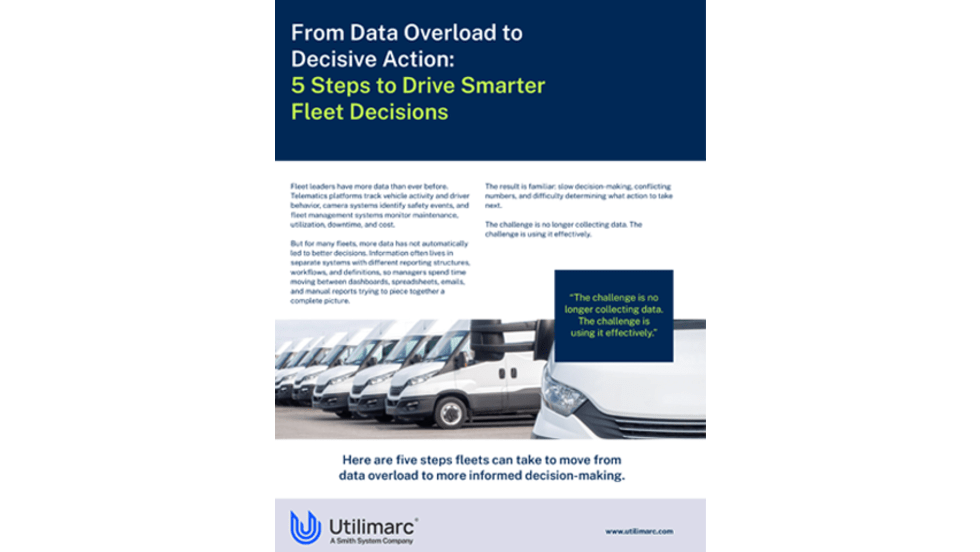
Turn Fleet Data Into Smarter Decisions
Fleet leaders have access to more operational data than ever, but disconnected systems and unclear metrics often slow decision-making instead of improving it. This whitepaper outlines five practical steps fleets can take to transform fragmented data into actionable insights that improve planning, safety, utilization, and long-term performance.
Read More →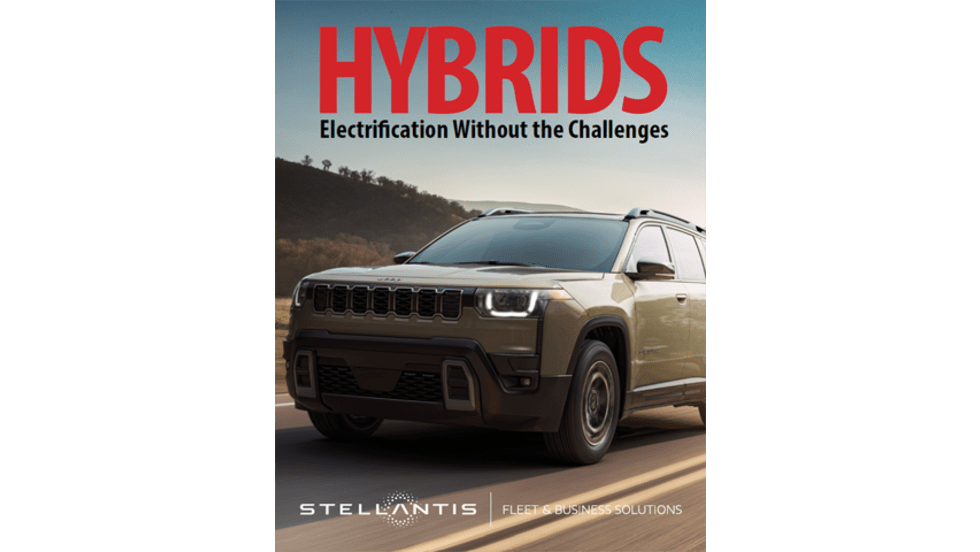
Hybrids: Electrification Without the Challenges
For fleet managers, fuel is one of the biggest line items in the budget — and it's one hybrids can shrink without changing how your people work. Download the eBook to see the numbers, understand the technology, and get a step-by-step guide to making the switch.
Read More →
How NOV Uses Telematics to Improve Fleet Safety Across 160 Locations
James Victory of NOV discusses how the company manages fleet safety, maintenance, and telematics across more than 150 locations supporting oilfield operations throughout the U.S.
Read More →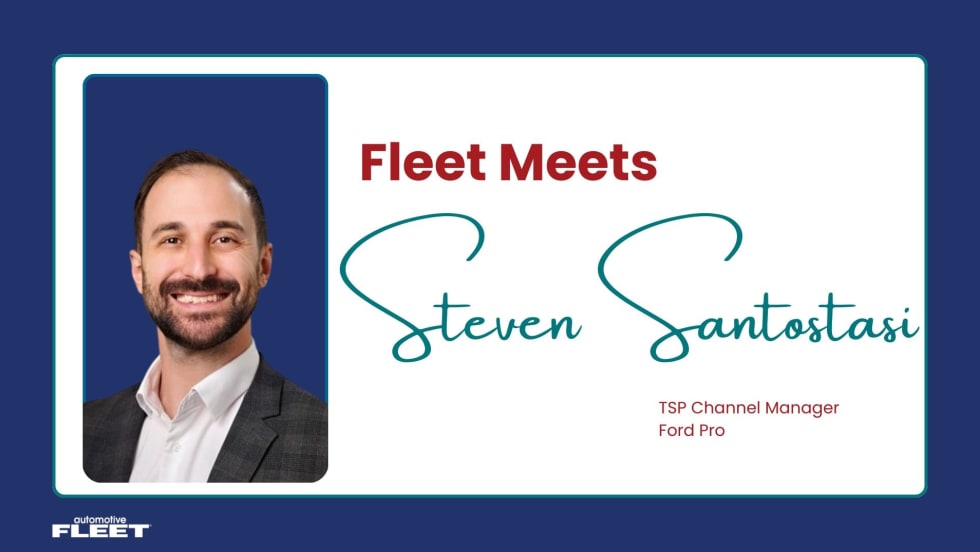
Fleet Meets: Steven Santostasi
This edition of the Fleet Meets series features Steven Santostasi, the current TSP channel manager for Ford Pro.
Read More →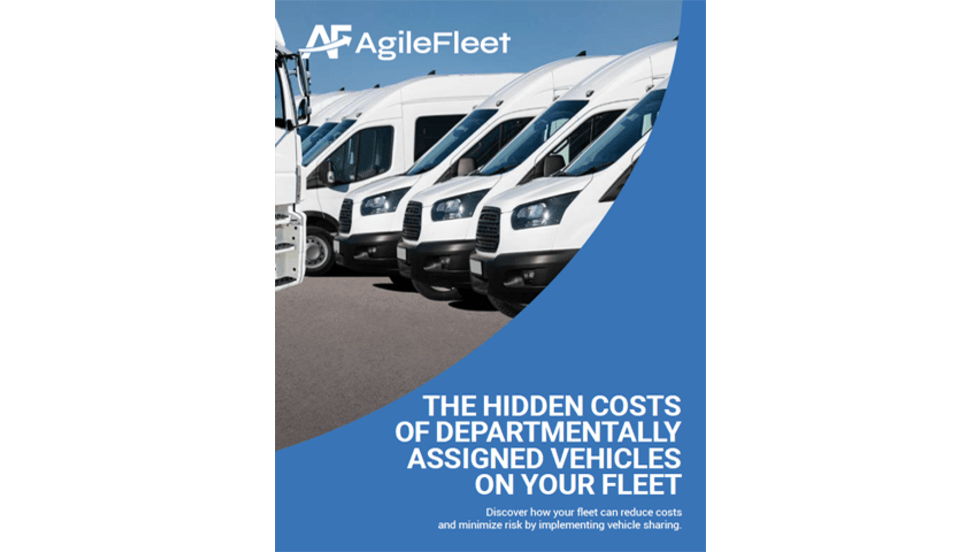
Why Fleet Managers Are Replacing Departmental Vehicles with Shared Motor Pools
Departmentally assigned vehicles often create hidden costs through underutilization, poor visibility, and increased administrative burden. This white paper explores how shared motor pool strategies help fleets reduce costs, improve accountability, and optimize vehicle utilization.
Read More →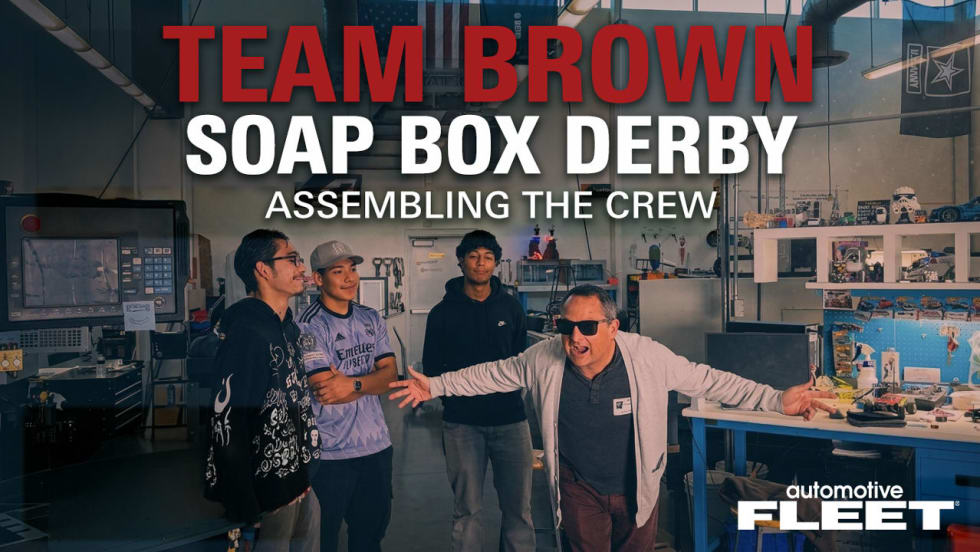
Soap Box Derby Challenge: Assembling the Crew
Meet Gabriel, Matthew, and Angel — the team helping bring this soap box derby build to life.
Read More →