




Crash Parts Bill Spurs Debate
WASHINGTON - Auto manufacturers found themselves pitted against the insurance industry and some consumer advocate groups March 22, during a Congressional hearing on auto replacement parts and design patents, according to a report from Body Shop Business.
WASHINGTON - Auto manufacturers found themselves pitted against the insurance industry and some consumer advocate groups March 22, during a Congressional hearing on auto replacement parts and design patents, according to a report from Body Shop Business.
At issue is a bill (HR 3059), dubbed the "Access to Repair Parts Act," which seeks to change patent code so that the manufacture or distribution of non-OEM crash parts would not be subject to OEM design patent protections, as long as the parts were used to restore a vehicle to its original appearance. The hearing was held by the House Judiciary Committee.
Damian Porcari, director of enforcement and licensing for Ford Global Technologies, testified that "copycat parts hurt Ford, our employees, our suppliers, our dealers and our customers." He added that there's no justification for treating visible repair parts differently than other items protected by intellectual property rights.
Porcari also alleged that some insurance companies base customer insurance premium rates on OEM parts pricing, but then push body shops to install cheaper, non-OEM parts to save money. In effect, he said, they mislead state regulators charged with approving the premium rates.
On the other side of the issue, Jack Gillis, director of public affairs for the Consumer Federation of America, testified that the bill would promote competition in the crash parts marketplace and keep repair costs and insurance rates in check.
A number of industry groups sent representatives to testify at the hearing. Groups opposing the bill include the Automotive Service Association, Alliance of Automobile Manufacturers, American Automotive Policy Council, Association of Equipment Manufacturers, Intellectual Property Owners Association and National Automobile Dealers Association.
Proponents of the bill include the Quality Parts Coalition, the Property Casualty Insurers Association of America and the Consumer Federation of America.
More Safety
Which Fleet Types Have the Highest Severe Speeding Rates?
New research from SambaSafety finds significant differences in speeding rates across fleet industries, even as nearly 90% of surveyed fleets report using telematics.
Read More →
When a Cyberattack Hits Your Fleet: What Happens Next?
“You have two opportunities to test your plans: when you choose or when the threat actor chooses.” A cybersecurity expert reveals what fleet managers need to know before a cyberattack puts their operations at risk — and why the decisions made in the first moments can shape the entire recovery.
Read More →
Tips for Driving Safely on Halloween Night
This video features a reminder from the Connecticut Department of Transportation (DOT) and the Connecticut Police Chiefs Association, urging drivers to prioritize safety this Halloween.
Read More →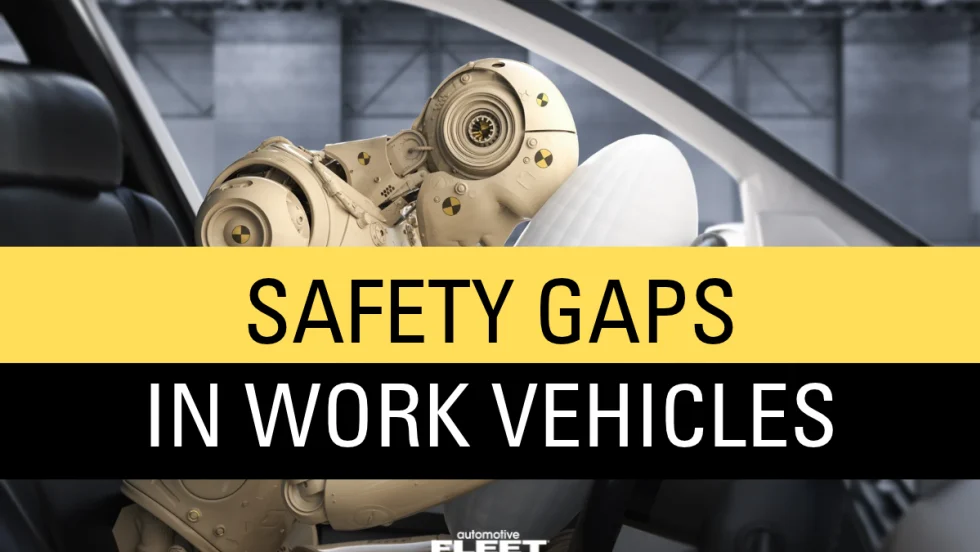
IIHS Crash Avoidance Tests Reveal Safety Gaps in Cargo Vans and Work Trucks
New IIHS crash avoidance ratings show uneven performance among cargo vans and heavy-duty pickups, with most struggling to avoid vehicle-to-vehicle collisions.
Read More →
What’s Next for Fleet? Safety, AI & Industry Recognition | AF News Recap
Could your company's culture be encouraging distracted driving? This week, we're exploring how workplace expectations affect driver safety, what AI, EVs, and autonomous vehicles could mean for the future of fleet management, and how fleet professionals can strengthen their award nominations.
Read More →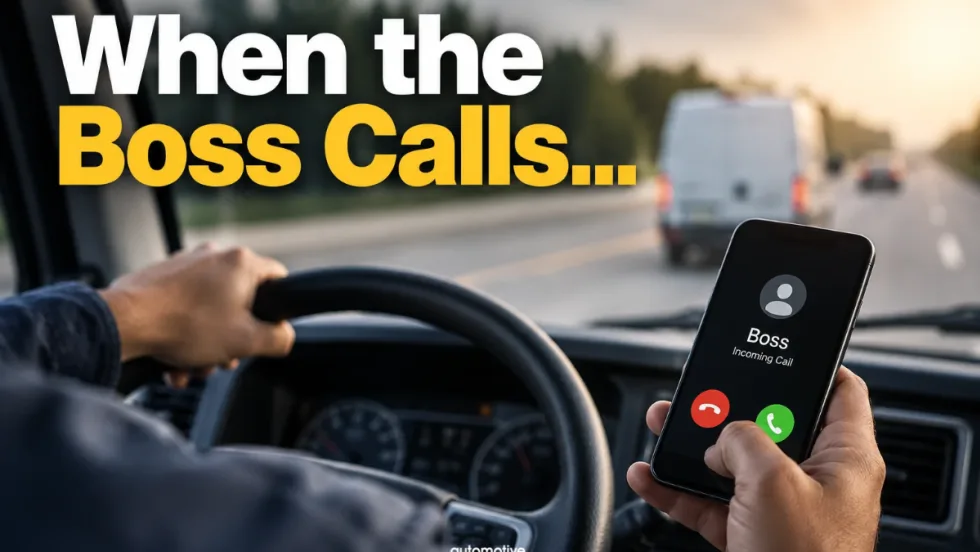
Does Your Fleet's Culture Encourage Distracted Driving?
What happens when the people responsible for enforcing safety rules are the ones setting the wrong example? The answer may reveal why some of the biggest risks to fleet drivers have little to do with what's written in the employee handbook.
Read More →
Fleet Manager’s Ultimate Playbook: Navigating the New Standard in OEM Connectivity
Rising operating costs, driver safety concerns, and unplanned downtime are putting unprecedented pressure on modern fleets. Discover how fleet managers use embedded OEM connectivity and real-time vehicle data to cut TCO, prevent downtime, and protect drivers without aftermarket telematics hardware.
Read More →
From Driver Well-Being to EV Charging | AF News Recap
Mental health belongs in the fleet safety conversation. This week, we’re looking at five ways fleets can support employee well-being before a crisis, plus Holman’s expansion in Mexico, new one-day Fleet Forward passes, and why EV charging demand is outpacing infrastructure growth.
Read More →
Nexar-Nauto Merger Aims to Give Fleets Better Safety Intelligence Through Larger Driving Dataset
Stefan Heck tells Automotive Fleet that combining more than 10 billion miles of driving history with Nexar's AI models will give fleets deeper insights into driver risk and roadway conditions than either company could provide independently.
Read More →
Don't Wait for a Crisis: 5 Ways to Build Mental Health Into Your Fleet Safety Program
For Suicide Prevention Month, fleet and safety leaders have an opportunity to put mental health where it belongs: at the center of workplace safety.
Read More →