




Cox Enterprises Uses Telematics and Fuel-Efficient Vehicles to Cut Costs and Reduce Its Carbon Footprint
ATLANTA - Cox Enterprises is using telematics, hybrid vehicles, utility vehicles with hybrid powertrains, a motor pool, and a fuel-economy conscious executive vehicle program to cut fuel costs and reduce its carbon footprint.
ATLANTA – Cox Enterprises celebrated the fifth anniversary of Cox Conserves, the company’s national sustainability program, and provided details on its 12,000-vehicle fleet’s specific achievements in its latest corporate sustainability report.
The company said it launched the Cox Conserves program in 2007, and that it is designed to reduce Cox Enterprises’ energy consumption “by embracing renewable forms of energy, conserving natural resources and inspiring eco-friendly behavior.”
Cox Enterprises said it currently employs flex-fuel vehicles and is replacing fleet vehicles with a mix of more fuel-efficient models and hybrids. The company said a number of these vehicles are used by its Cox Communications division.
Currently, 90% of Cox’s executive fleet vehicles each get 27 mpg, 10% of the fleet consists of Partial Zero Emissions Vehicles (PZEV) and LEED-ranked vehicles, and the fleet now has nearly 300 hybrid vehicles. For the company’s network operations vehicles, 90% of them use a new hybrid operating system that allows them to emit zero emissions during aerial operation.
Cox also employs Trimble’s GPS system, now installed in a total of 5,000 vehicles in the fleet, which the company said saves more than 1 million gallons of fuel each year. The system also helps Cox reduce its carbon footprint by more than 25 million lbs. of CO2. Other features of the GPS/telematics system include a vehicle diagnostics component, which the company said helps drivers reduce fuel use (by controlling engine idle time) and C02 emissions, and a “GeoManager” module. The GeoManager features mapping and real-time traffic, and allows field tech supervisors and dispatchers to improve operating efficiency and customer service and reduce operating costs. Both features allowed Cox to reduce vehicle idle time by 84%, from 90 minutes per day to 15, during the first year of the system’s use. The company also created a “no-idle” zone at the Atlanta headquarters’ loading dock.
For the executive vehicle program, Cox employees must choose a vehicle that achieves mpg of 27 or better. Cox partners with Georgia’s Clean Air Campaign and the Perimeter Transportation Coalition. Clean Air Campaign recognized Cox with a PACE Large Business Award in 2006 and a PACE Innovator Award for a Green Fleet in 2008, according to the company.
Additional transportation options for employees also help reduce the company’s carbon footprint and costs. The company utilizes a shuttle system that transports employees to a public transit station (including MARTA). Cox also provides a motor pool via a Borrow-A-Hybrid program. Vehicles branded with “Cox Conserves” are available to employees who take alternative forms of transportation. Employees can check out the cars if they need to attend an off-site meeting, for example. The company also provides a guaranteed ride home if an emergency occurs to employees who take public transportation.
More Green Fleet
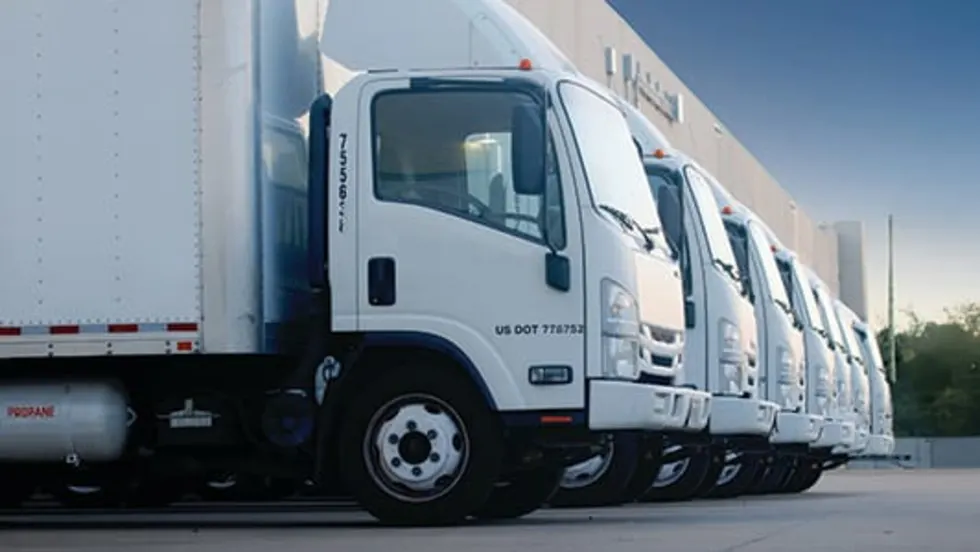
New Propane Autogas Program Offers Fleet Compensation
Qualified commercial fleets can receive $7,500 per eligible propane autogas vehicle and up to $10,000 for new refueling site prep. Learn how the program works and see whether your fleet qualifies.
Read More →
EV Charging Use Is Outpacing Infrastructure Growth
ChargePoint’s 2026 Charging Forward Report points to rising charger use, higher-powered charging, commercial vehicle electrification, and energy-management technology. Here’s what fleets should know.
Read More →
Merchants Fleet Reports 290M EV Miles as Fleets Navigate Changing Electrification Market
From millions in operating savings to hundreds of millions of EV miles, Merchants Fleet’s latest report reveals what’s working and what’s changing in fleet electrification.
Read More →

The EV Breakdown Nobody's Talking About: Why Most Electric Vehicle Roadside Calls Aren't Mechanical Failures
Here's why EV breakdowns are widely misunderstood.
Read More →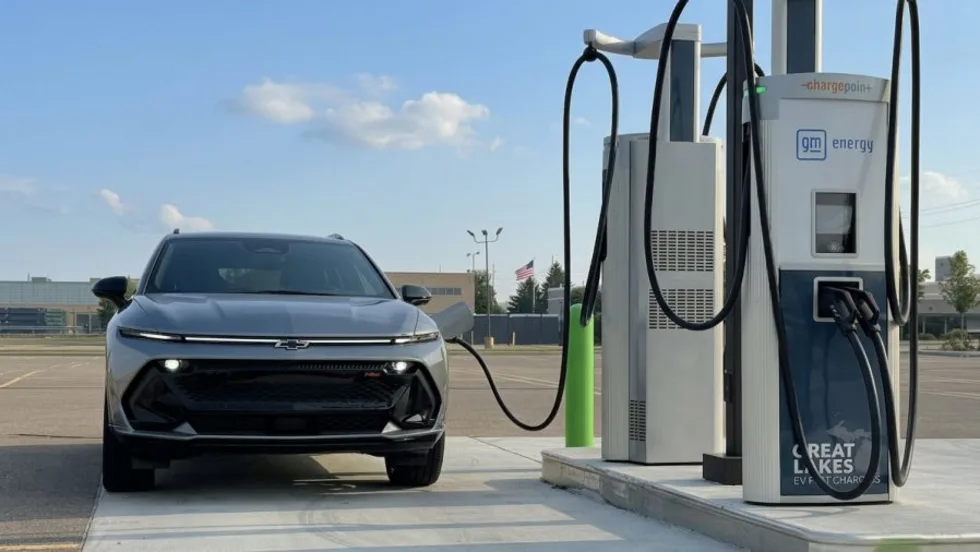
ChargePoint Now Available in Energy Pass
ChargePoint and additional planned charging network integrations were added to GM's Energy Pass.
Read More →

First Look: Slate Auto's Electric Fleet Pickup
Could an affordable, modular EV pickup make electrification more practical for fleets?
Read More →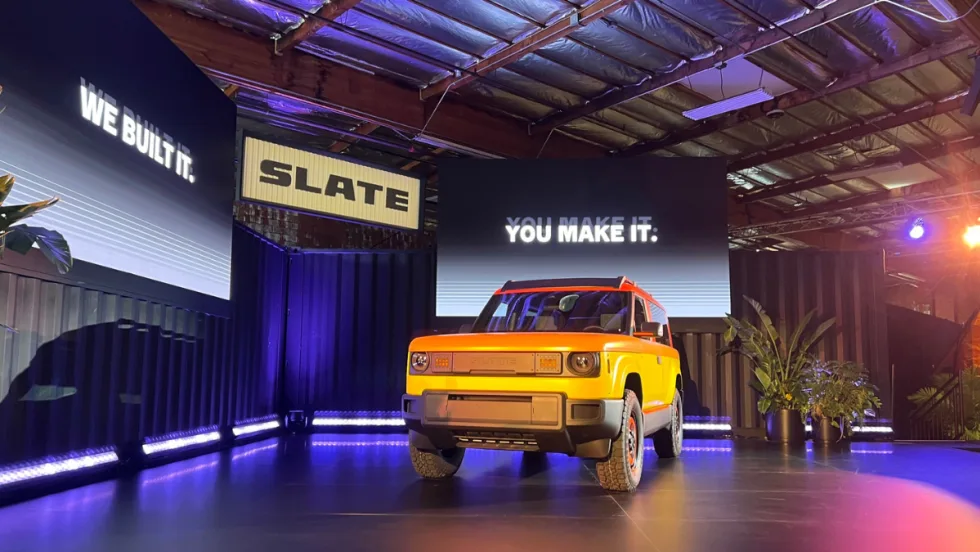
Slate Debuts Colorful, Unique EV Models
A recent media and client event, studded with electric vehicles dressed up on platforms, planted a new position for the manufacturer in the wider EV market. Fleets will find cost-saving advantages.
Read More →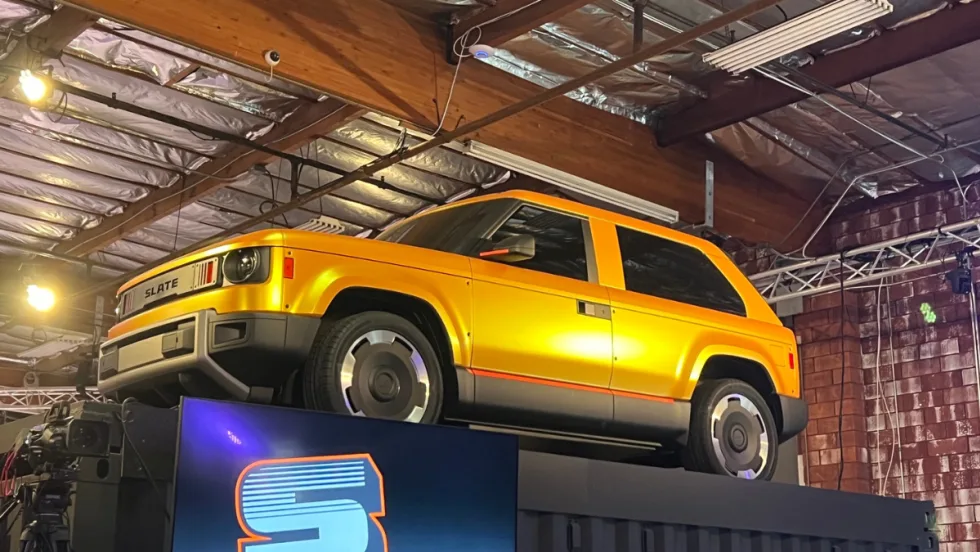
Slate Electric SUV, Pickup Switchable Model Aims For Light-Duty Fleets
Everything about this EV is counterintuitive and understated, making it stand out from the crowd.
Read More →
Inspiration Mobility Acquires Key Electrada Assets
Inspiration Mobility Group has acquired select assets of Electrada, adding the fleet electrification provider's team, technology, and charging infrastructure development capabilities to its energy management business.
Read More →