




Related: TCO for Hybrids Failing to Keep Pace
Cost of Owning Hybrids Improves with Varied Depreciation
The total cost of owning hybrid vehicles compared to their gasoline counterparts improved in 2017 with 40% of the models studied in Vincentric's annual analysis having a lower TCO, according to the firm.
by Staff
December 14, 2017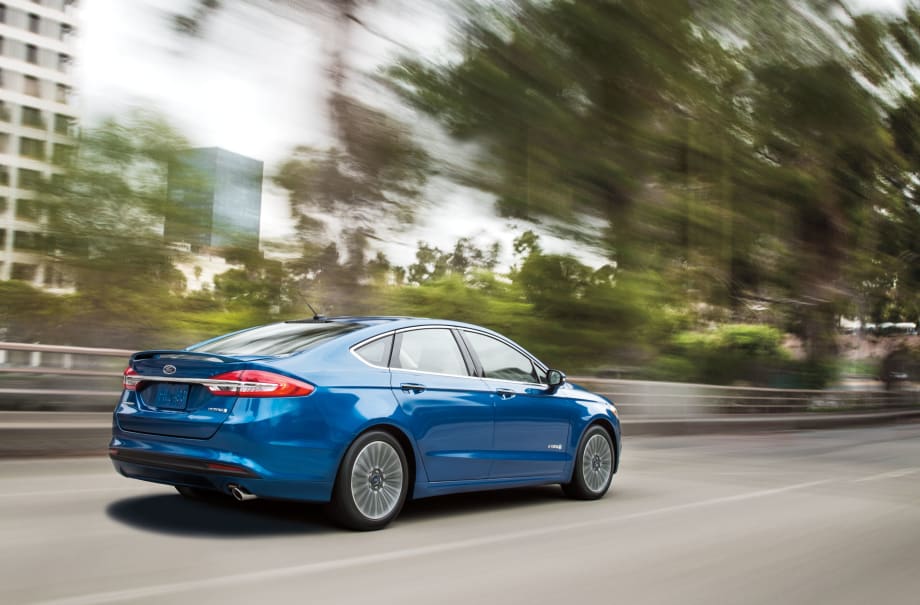
Photo of the 2017 Fusion Hybrid SE courtesy of Ford.
2 min to read
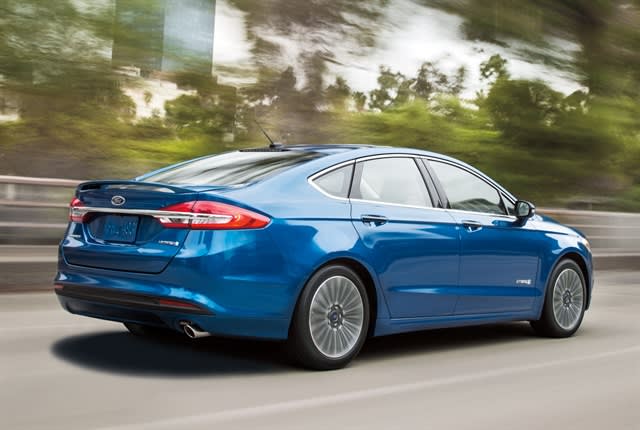
Photo of the 2017 Fusion Hybrid SE courtesy of Ford.
The total cost of owning hybrid vehicles compared to their gasoline counterparts improved in 2017 with 40% of the models studied in Vincentric's annual analysis having a lower TCO, according to the firm.
Of the 65 gasoline-electric hybrids analyzed, 26 showed a lower TCO than the comparable gasoline models. A year ago, only 26% of the 29 hybrids studied (seven vehicles) had a lower TCO. Including the gasoline models, the analysis looked at 130 vehicles.
Hybrid passenger cars with higher fleet utilization showed varying results with many of Toyota's Prius models showing a higher TCO, and Ford's Fusion Hybrid and the Chevrolet Malibu Hybrid showing lower TCO.
Ford's Fusion Hybrid Titanium fared best among the vehicle's four trim grades, mostly due to a lower depreciation rate. The vehicle would cost $6,082 less to own than the Fusion Titanium.
The Chevrolet Malibu Hybrid would cost $496 less to own over five years than the Malibu LT.
The survey analyzed 15 Prius models and found that the four Prius C subcompact sedans compared favorably to the Yaris. The Prius C Three would cost $3,609 less to own than the Yaris SE.
Luxury cars had the highest percentage of cost-effective hybrids (46%), while passenger cars (39%) and SUVs/crossovers (36%) were the next highest categories.
The Lexus CT200h returned the highest savings when compared to a similarly equipped Lexus IS 200t. Buyers would save $7,750 over five years. Lexus discontinued the vehicle after the 2017 model year.
The Infiniti Q50 Hybrid Premium had the worst TCO among the vehicles analyzed. It would cost buyers $8,315 more to own than a similarly equipped Q50 Premium over five years.
The savings for cost-effective hybrids typically occur when the savings from lower fuel costs and lower depreciation rates outweigh the price premium for that hybrid, according to Vincentric.
"Our study showed a significant increase in the percentage of hybrids that can save buyer’s money over five-years when compared to an all-gas counterpart," said David Wurster, Vincentric's president. "Understanding the value of hybrids requires looking at all ownership costs, and not just fuel savings. Only then can buyers determine whether it makes sense to pay the hybrid price premium."
More Green Fleet
Sponsored•October 1, 2026
New Propane Autogas Program Offers Fleet Compensation
Qualified commercial fleets can receive $7,500 per eligible propane autogas vehicle and up to $10,000 for new refueling site prep. Learn how the program works and see whether your fleet qualifies.
Read More →
EV Charging Use Is Outpacing Infrastructure Growth
ChargePoint’s 2026 Charging Forward Report points to rising charger use, higher-powered charging, commercial vehicle electrification, and energy-management technology. Here’s what fleets should know.
Read More →
Merchants Fleet Reports 290M EV Miles as Fleets Navigate Changing Electrification Market
From millions in operating savings to hundreds of millions of EV miles, Merchants Fleet’s latest report reveals what’s working and what’s changing in fleet electrification.
Read More →
The EV Breakdown Nobody's Talking About: Why Most Electric Vehicle Roadside Calls Aren't Mechanical Failures
Here's why EV breakdowns are widely misunderstood.
Read More →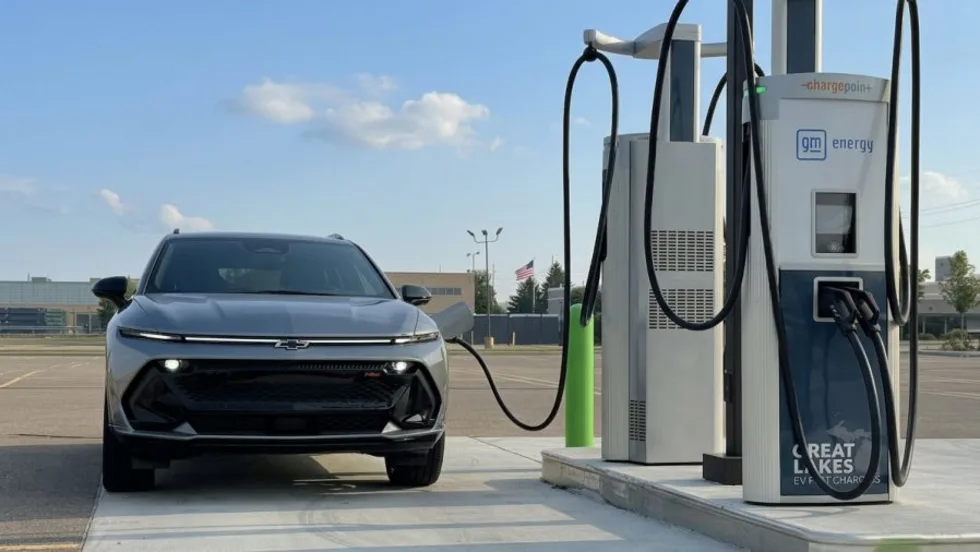
ChargePoint Now Available in Energy Pass
ChargePoint and additional planned charging network integrations were added to GM's Energy Pass.
Read More →

First Look: Slate Auto's Electric Fleet Pickup
Could an affordable, modular EV pickup make electrification more practical for fleets?
Read More →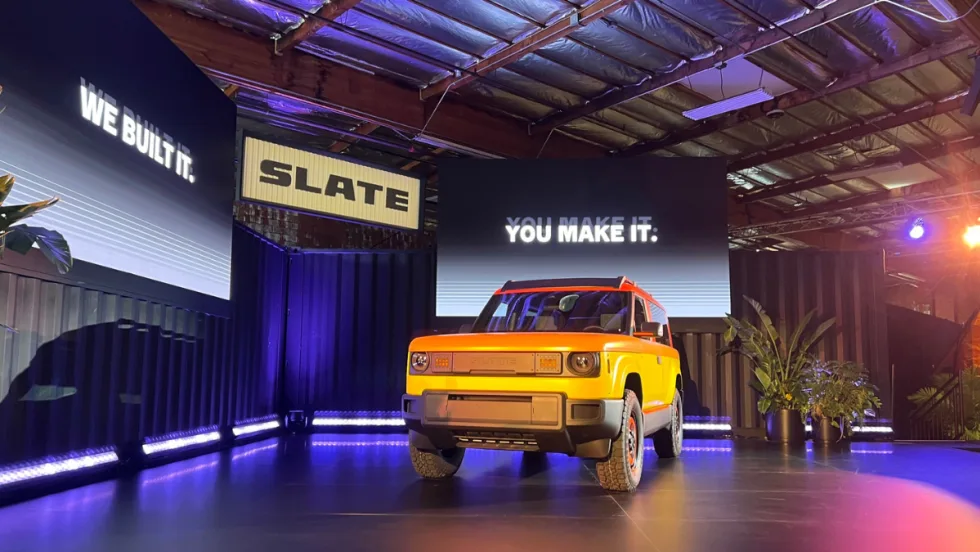
Slate Debuts Colorful, Unique EV Models
A recent media and client event, studded with electric vehicles dressed up on platforms, planted a new position for the manufacturer in the wider EV market. Fleets will find cost-saving advantages.
Read More →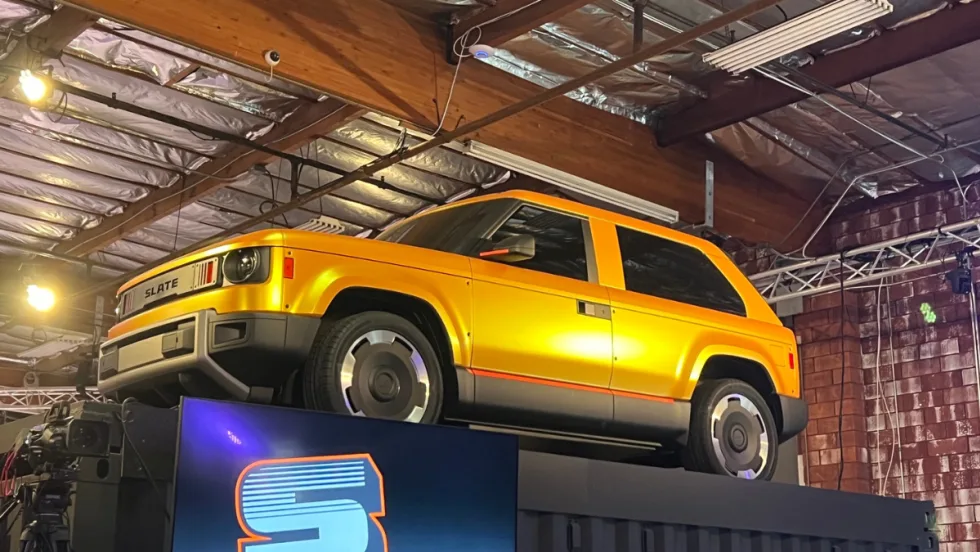
Slate Electric SUV, Pickup Switchable Model Aims For Light-Duty Fleets
Everything about this EV is counterintuitive and understated, making it stand out from the crowd.
Read More →
Inspiration Mobility Acquires Key Electrada Assets
Inspiration Mobility Group has acquired select assets of Electrada, adding the fleet electrification provider's team, technology, and charging infrastructure development capabilities to its energy management business.
Read More →