




TCO for Hybrids Failing to Keep Pace
Only seven of 29 hybrids offered in the 2016 model year showed a lower total cost of ownership than their gasoline counterparts, representing a sharp decline from 2012 levels, according to an analysis by Vincentric.
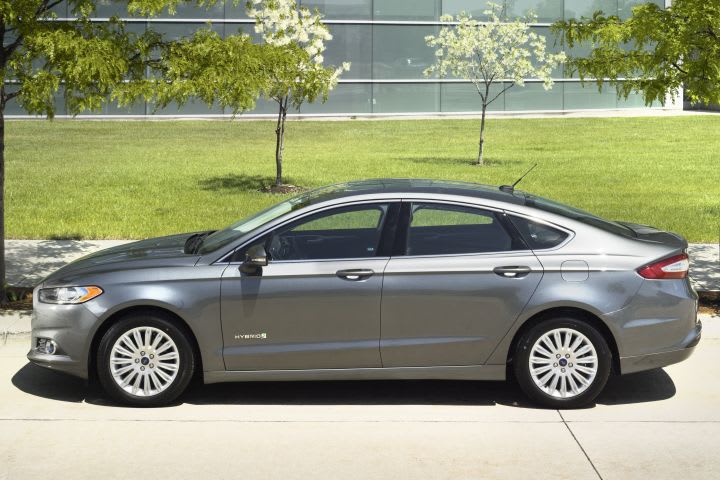
Photo of 2016 Fusion Hybrid courtesy of Ford.
Photo of 2016 Fusion Hybrid courtesy of Ford.
Only seven of 29 hybrids offered in the 2016 model year showed a lower total cost of ownership than their gasoline counterparts, representing a sharp decline from 2012 levels, according to an analysis by Vincentric.
One in four hybrids exhibited a lower TCO (24%) compared to 44% of hybrids studied in 2012, when gasoline prices were significantly higher, Vincentric found. In 2014, 32% of the hybrids studied had a lower TCO.
The seven lower-TCO hybrids included the Audi Q5 Hybrid, Ford Fusion Hybrid, Lexus CT 200h, Lexus ES 300h, Lincoln MKZ Hybrid, Toyota Avalon Hybrid, and Toyota Prius C. Five of these seven depreciated at a lower rate than their gasoline counterparts, according to Vincentric.
The Audi Q5 Hybrid offered the greatest hybrid-over-gasoline-powered-vehicle total cost of ownership savings for a direct hybrid-to-gasoline model comparison, with $4,484 in savings.
Eight of the hybrids offered significant cost savings in fuel use over their gasoline counterparts that require premium fuel. The Lexus NX 300h and the Infiniti Q70 Hybrid exhibited impressive fuel savings of $3,546 and $3,443 respectively.
"There are still instances when a hybrid's cost of ownership savings justifies the hybrid price premium," said David Wurster, Vincentric's president. "Hybrids, however, may be losing their competitive edge due to the decrease in fuel price and improved fuel economy of all-gasoline-powered vehicles. Buyers should analyze individual models and their own driving patterns to decide whether a hybrid or its gas counterpart is the best choice to save them money in the long run."
Fuel prices used in the analysis were based on a weighted average over the previous five months. The report also assumes the vehicle is owned for five years with 15,000 miles driven per year. Vincentric measured cost of ownership using eight different cost factors including depreciation, fees and taxes, financing, fuel, insurance, maintenance, opportunity cost and repairs.
More Remarketing
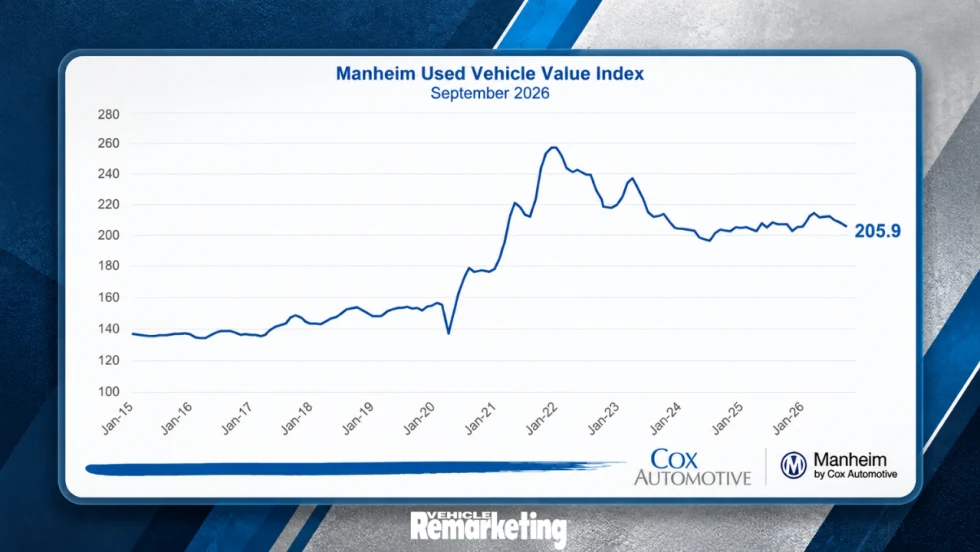
Wholesale Used-Vehicle Values Fall as Cox Automotive Cuts 2026 Forecast
Wholesale used-vehicle prices declined in September as depreciation accelerated, prompting Cox Automotive to lower its year-end forecast.
Read More →
FLD Promotes Three Executives in Leadership Changes
FLD has promoted three longtime executives, naming Gary Mott CEO, Richard Mallek president, and Ron Sanders managing partner.
Read More →
Ford Pro Launches Certified Pre-Owned Program for Commercial Vehicles
Ford Pro Advantage will offer certified pre-owned Class 1-7 commercial vehicles through more than 700 Ford Pro Commercial Vehicle Centers.
Read More →
Copart to Acquire ACV in $1.9 Billion Deal
The acquisition would expand Copart beyond its traditional salvage business into dealer-to-dealer wholesale remarketing while adding ACV’s vehicle data, inspection, and valuation technology.
Read More →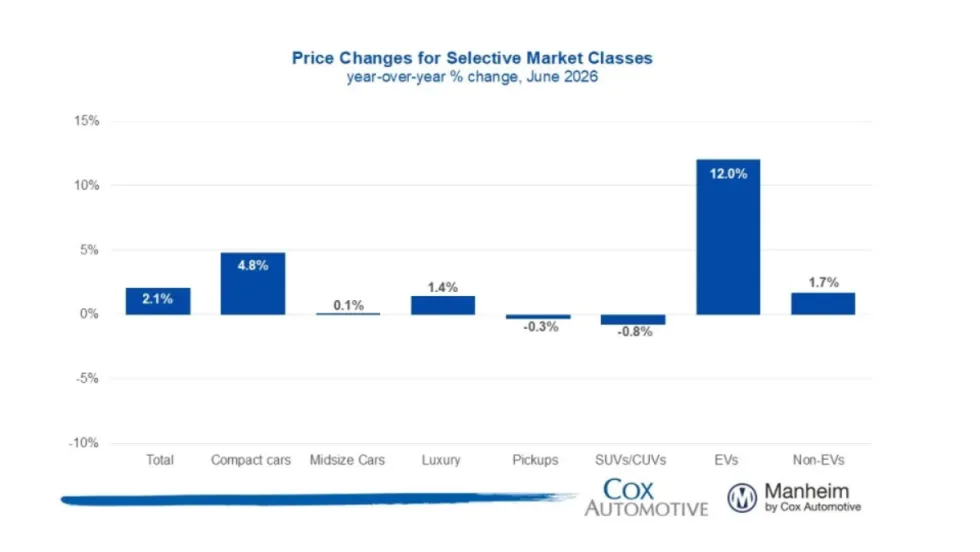
Manheim Index Shows Used-Vehicle Wholesale Prices Up 2.1% in June
The market is seeing stronger appreciation in older used vehicles this year, and the most affordable segments have been among the year’s best performers.
Read More →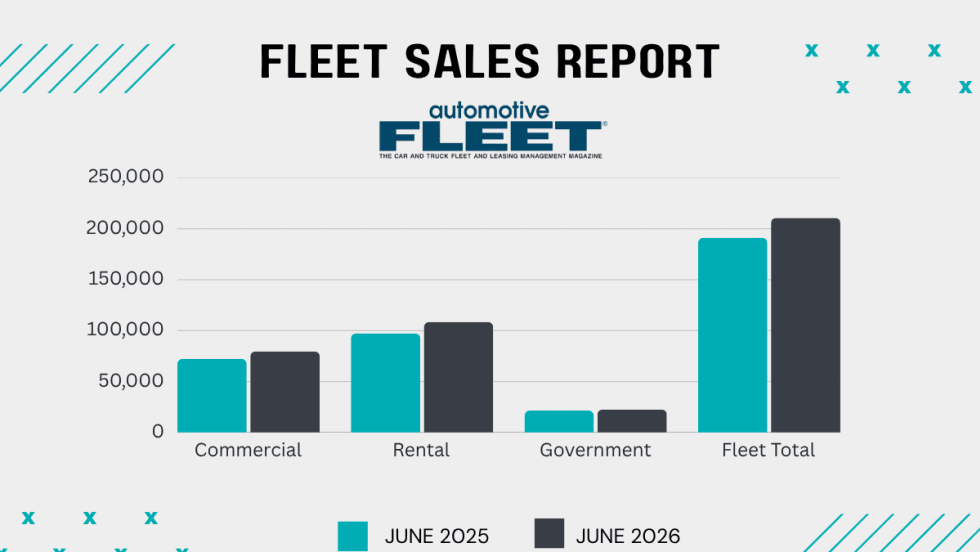
Commercial Fleet Sales Contribute To June, YTD Gains
The fleet sector has boosted its vehicle purchases at a reliable pace in the first half of this year compared with 1H 2025.
Read More →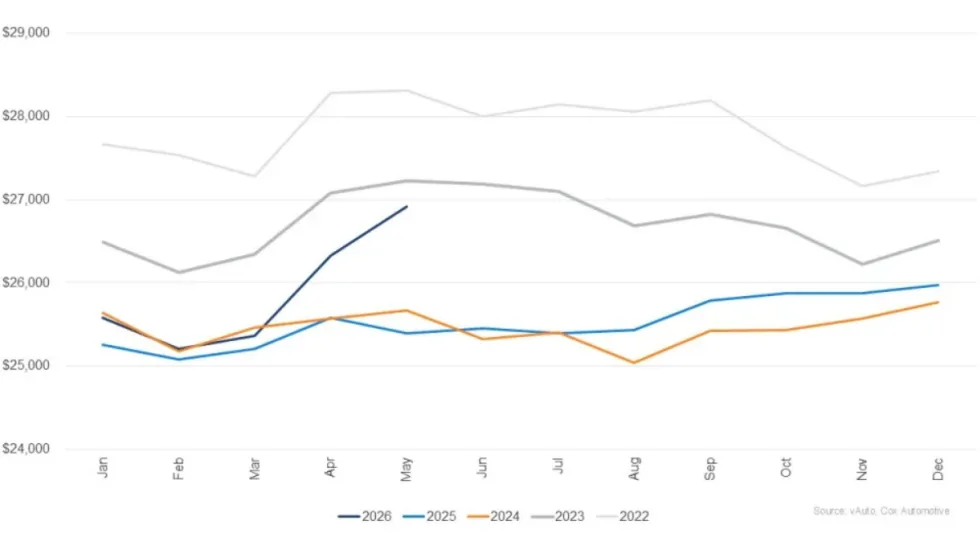
Used Vehicle Prices Climb Higher As Sales Pace Slows
The higher prices at used retail reflect strong wholesale values earlier in the spring, particularly for older, more affordable vehicles.
Read More →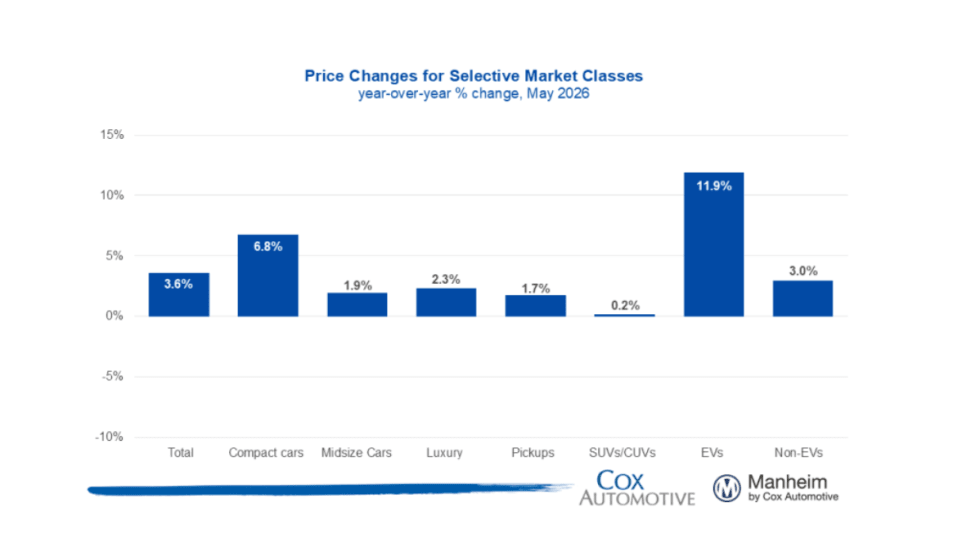
Wholesale Used Vehicle Market Sustains Moderate Rise In Values, Prices
Trends continue to normalize after a strong start to the year, as consumers contend with higher gas prices in the coming summer months.
Read More →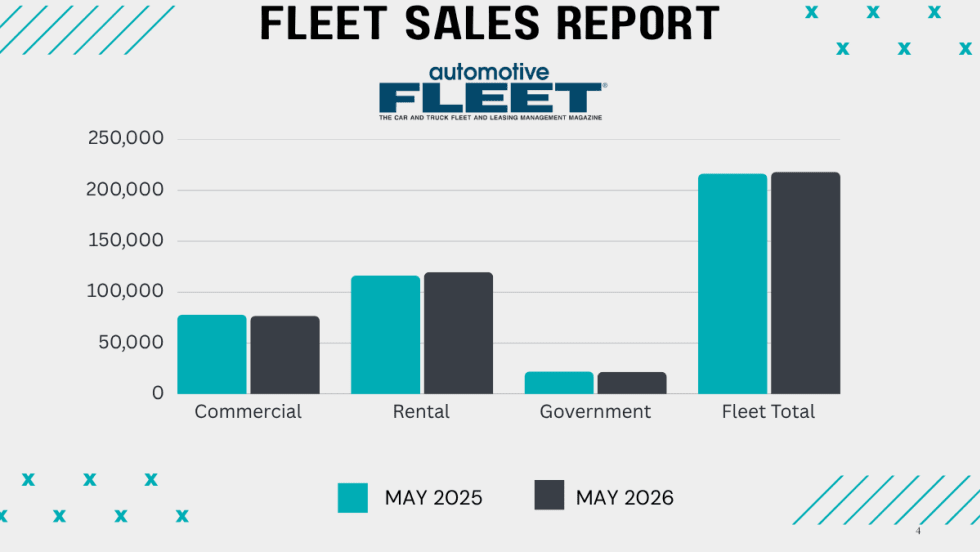
Commercial Fleet Sales Still Lead Sectors Despite May Mini Dip
The U.S. economy's continued growth and positive business investment are creating a favorable environment for fleet vehicle demand.
Read More →
How Connected Vehicle Data Is Lifting Fleet Resale Values
A vehicle health score could improve the value of fleet vehicles at remarketing. The path to a universal standard is forming, and fleets that understand the process early will be better positioned when it arrives.
Read More →