




Con-way Freight Boosts Fuel Efficiency
ANN ARBOR, Mich. --- Con-way Freight, one of the nation's leading less-than-truckload (LTL) freight transportation companies, announced it has turned back the speed governors on its 8,400-tractor fleet in a move to improve fuel conservation and reduce carbon emissions.
ANN ARBOR, Mich. --- Con-way Freight, one of the nation's leading less-than-truckload (LTL) freight transportation companies, announced it has turned back the speed governors on its 8,400-tractor fleet in a move to improve fuel conservation and reduce carbon emissions.
The company has adjusted the governors on its truck engines to run at a maximum of 62 miles per hour, down three miles per hour from previous settings.
The move is expected to reduce consumption of diesel fuel from its over-the-road tractor fleet by nearly 3.2 million gallons annually while eliminating approximately 72 million pounds of carbon emissions from the environment. The carbon gas reduction is equivalent to removing nearly 7,300 automobiles from America's highways.
"Freight transportation, by its nature, is a significant consumer of carbon-based energy resources. Yet it also is one where if we look creatively at how we operate the business, we can find and adopt practices that reduce our carbon footprint and help the bottom line," said John G. Labrie, Con-way Freight president. "Fuel conservation and cost savings aside, this speed reduction initiative will have the single largest impact on carbon footprint reduction of any operational or business practice change available to us."
"I commend Con-way Freight for integrating clean, innovative strategies and technologies into its fleet operations to reduce energy use and meet its SmartWay environmental commitments," said Margo T. Oge, director of the Environmental Protection Agency's (EPA) Office of Transportation and Air Quality.
Con-way Freight has been a member of the EPA's SmartWay Transport Program since 2006. SmartWay is a voluntary partnership between the EPA and freight industry businesses aimed at reducing emissions of carbon dioxide by 33 to 66 million metric tons and nitrogen oxide by up to 200,000 tons, as well as saving up to 150 million barrels of oil per year. The program officially opened to all companies in February 2004.
Con-way Freight annually consumes some 100 million gallons of diesel fuel in its trucking operations, which serve commercial and industrial businesses and cover all of North America through a network of more than 400 operating locations. In addition to the speed reduction initiative, Con-way Freight has also invested in technologies and implemented other operational practices designed to reduce fuel consumption, which also lowers carbon emissions. Among them:
* Equipping trucks with special aerodynamic fairings to reduce wind resistance and improve fuel efficiency
* Specifying engine and drive-train combinations that maximize fuel mileage and peak power requirements
* Using special engine and transmission lubricants to improve operating efficiency and fuel mileage
* Setting engines with auto shut-off controls to minimize idle time while parked
* Recycling used trailers and refurbishing them for return to the fleet through its sister company, Road Systems Inc., versus buying new trailers, thereby minimizing consumption of new resource materials.
The company has also converted its fuel sources to 100 percent ultra-low sulfur diesel fuel which, when burned, emits fewer particulates and combusted by-products.
More Fuel

Turning Fleet Payment Data into Executive Insights
Ramel Lindsay of U.S. Bank Voyager discusses how fleets can transform payment and transaction data into actionable intelligence to reduce costs, improve oversight, and support executive decision-making.
Read More →
Why the IRS Raised Its Mileage Rate in the Middle of 2026
Fuel-price volatility drove the rare increase to 76 cents per mile, the fifth midyear adjustment since 2000.
Read More →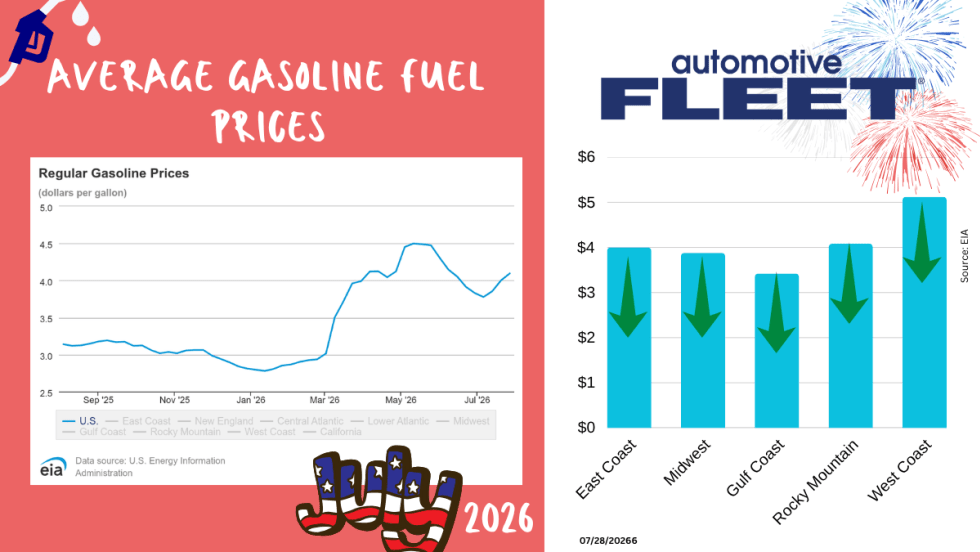
July Fuel Update: Prices Keep Rising in Light of More Conflict
Gas prices continue to rise as more and more conflicts do, too.
Read More →
Bob Adamsky on Fuel Volatility: "Don't Panic, Have a Plan."
When it comes to up and down fuel prices, Adamsky has a message for fleets: “Don’t panic.”
Read More →
How Fleets Can Gain Control of Non-Fuel Spend
Fuel often gets the spotlight, but non-fuel expenses can have a major impact on fleet costs. Ramel Lindsay of U.S. Bank Voyager discusses how fleets can gain better visibility and control over these often-overlooked expenditures.
Read More →
Fuel is Just the Start: How Middle East Tensions are Driving Up Fleet Maintenance Costs
The Middle East conflict is doing more than pushing up fuel prices. It’s also raising the cost of key maintenance products your fleet depends on, from motor oil to tires to windshield wipers. Here’s what you need to know about this budget-busting situation.
Read More →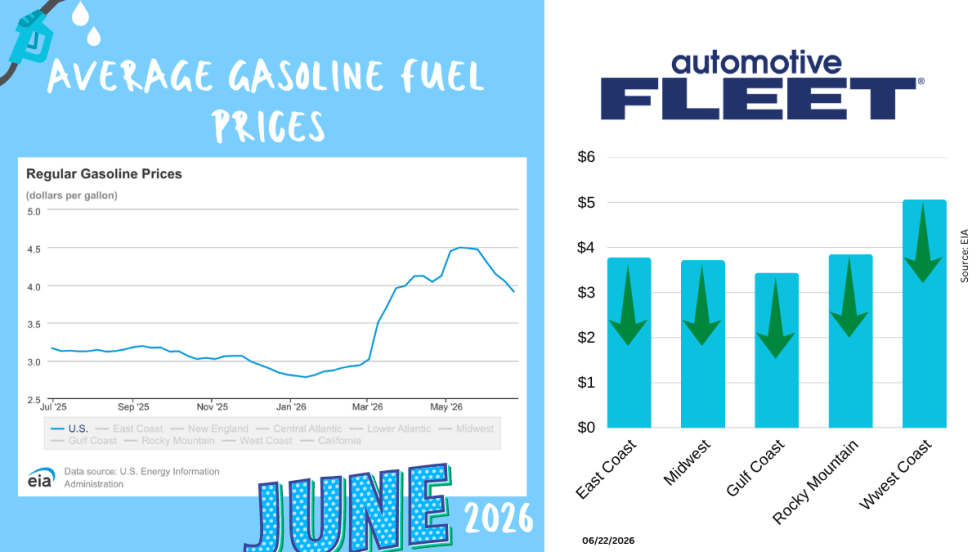
June Fuel Update: Prices Fall Below $4
Drivers are finally getting some relief at the pump. The national average gas price has dropped below $4 a gallon for the first time in months, with prices falling in 47 states as oil markets react to developments in U.S.-Iran negotiations.
Read More →
Study: How 2026's Gas Price Hikes Affect Different Vehicle Types
New data from iSeeCars reveals how rising fuel costs have affected different vehicle segments as gasoline prices climbed nearly 46% over the past four months.
Read More →
Are You Tracking Your Fleet's True Total Cost of Ownership?
Bobit Business Media surveyed 190 fleet professionals and found that while most fleets are tracking costs, fragmented systems and data gaps are keeping true TCO visibility out of reach. With rising pressure to control spend in an increasingly volatile environment, the gap between what fleets think they know and what the data actually shows is wider than you might expect. See how your peers are managing costs today and where the industry still has room to improve.
Read More →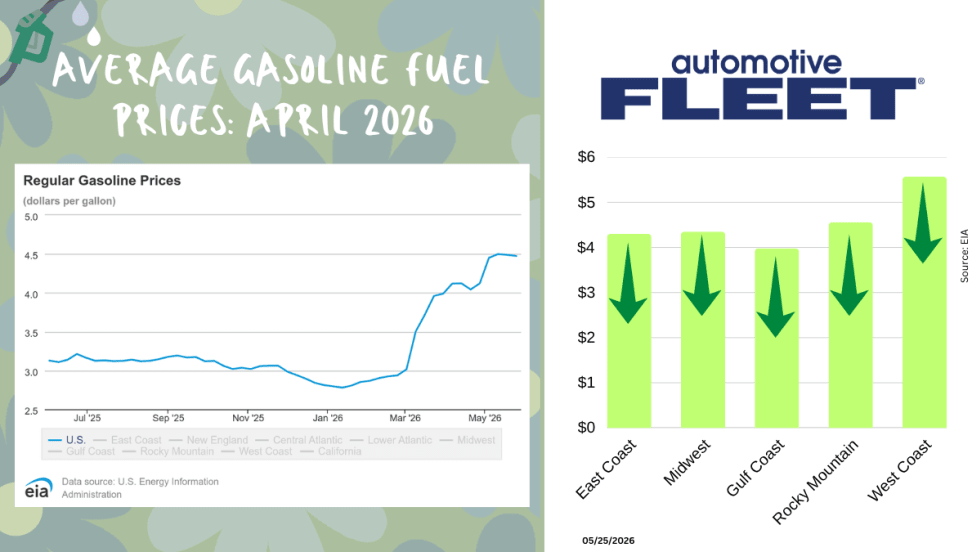
May Fuel Update: All Regions Experience Declines
Gas prices are finally easing in much of the country, but experts warn global tensions could quickly reverse the trend as the national average remains well above last month’s levels.
Read More →