





Learn More: Con Edison, Lion Electric, and Posi-Plus Developing Electric Bucket Truck
Con Edison, NYC DOT Team Up for EV Charging Stations
The curbside pilot program will bring 100 Level 2 charging ports to over 20 neighborhoods across the five boroughs, with 20 additional charging ports serving city fleet vehicles.
July 8, 2021
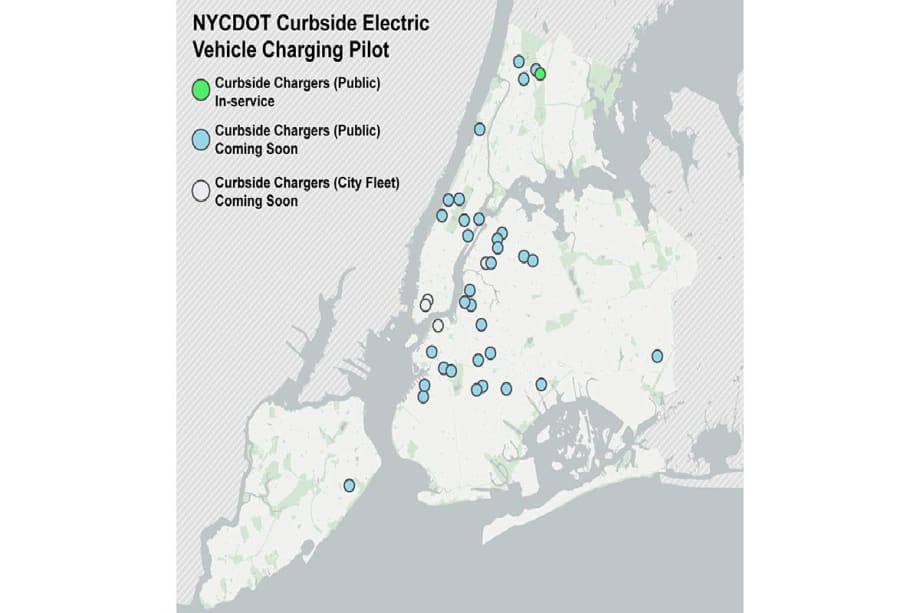
The curbside pilot program will bring 100 Level 2 charging ports to over 20 neighborhoods across the five boroughs, with 20 additional charging ports serving city fleet vehicles.
Photo: NYC DOT
2 min to read
Con Edison, the New York City Department of Transportation (DOT), and FLO, a North American charging network, announced June 24 the installation of the first of 100 curbside Level 2 electric vehicle (EV) charging ports expected by October 2021. The citywide pilot program aims to increase the adoption of EVs, critical to reducing greenhouse gas emissions and air pollution, and will enable New York City to meet its goal of carbon neutrality by 2050. The four-year demonstration kicked off today in the Norwood section of the Bronx, where new rules limit parking at the new charging stations to electric vehicles.
"We’re working closely with the city and state to make it easier for all New Yorkers to replace gas-powered cars with zero-emission electric vehicles, and enjoy the benefits of cleaner air and a healthier environment as Con Edison continues its efforts to achieve its clean energy goals," said Lenny Singh, senior VP of Con Edison’s Customer Energy Solutions.
Providing EV charging at the curb will make the switch to electric easier for more New Yorkers, including the 50% of EV owners who park on the street. The program was made possible through funding by the New York State Public Service Commission’s Reforming the Energy Vision (REV) initiative.
Electric-vehicle use has grown dramatically in recent years: New York City now has nearly 15,000 registered EVs, over 5,000 of which were purchased just in the last year. With that growth, new charging stations must come online to meet growing demand: right now, over 1,400 Level 2 charging plugs (which can provide an 80% charge in four to eight hours) and 117 fast charging plugs (providing an 80% charge in 30 - 60 minutes) can be found within New York City, with the vast majority located in Manhattan parking garages. The curbside pilot program will bring 100 Level 2 charging ports to over 20 neighborhoods across the five boroughs, with 20 additional charging ports serving city fleet vehicles. Charger port locations were selected based on input from local elected officials and community stakeholders, geographic diversity, and projected demand for charging. DOT and Con Edison will evaluate the performance of the charging stations over the course of the pilot period.
FLO is providing the charging units and will manage the network under contract with Con Edison. Each FLO unit is equipped with a standard connector compatible with most electric vehicles, has a retractable cord management system, and has a robust design intended for public deployment. Charging will cost $2.50 per hour during the day (7am-7pm) and $1.00 per hour overnight. A daytime charge will be equivalent to fueling up at a gas station, while overnight charging may be over 60% cheaper.
Originally posted on Work Truck Online
More Green Fleet
Sponsored•October 1, 2026
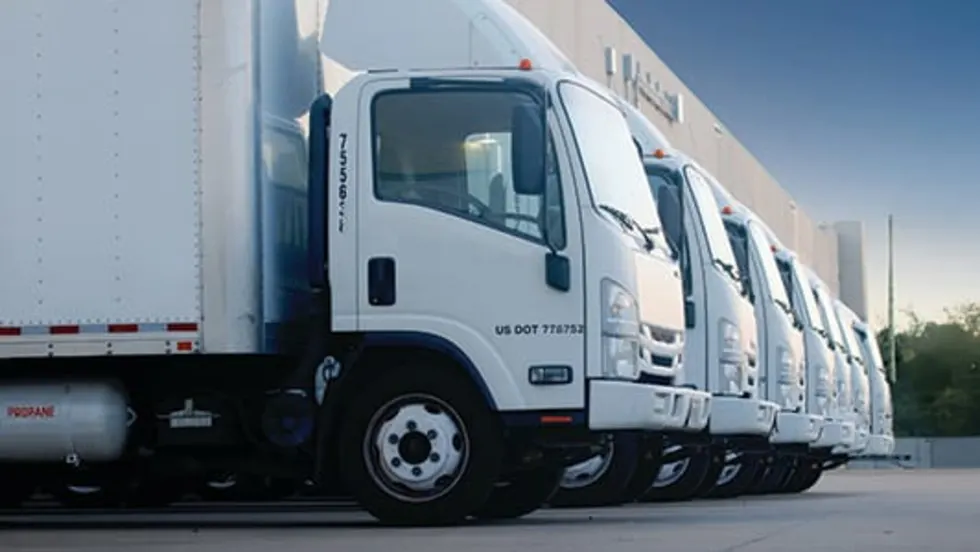
New Propane Autogas Program Offers Fleet Compensation
Qualified commercial fleets can receive $7,500 per eligible propane autogas vehicle and up to $10,000 for new refueling site prep. Learn how the program works and see whether your fleet qualifies.
Read More →
EV Charging Use Is Outpacing Infrastructure Growth
ChargePoint’s 2026 Charging Forward Report points to rising charger use, higher-powered charging, commercial vehicle electrification, and energy-management technology. Here’s what fleets should know.
Read More →
Merchants Fleet Reports 290M EV Miles as Fleets Navigate Changing Electrification Market
From millions in operating savings to hundreds of millions of EV miles, Merchants Fleet’s latest report reveals what’s working and what’s changing in fleet electrification.
Read More →
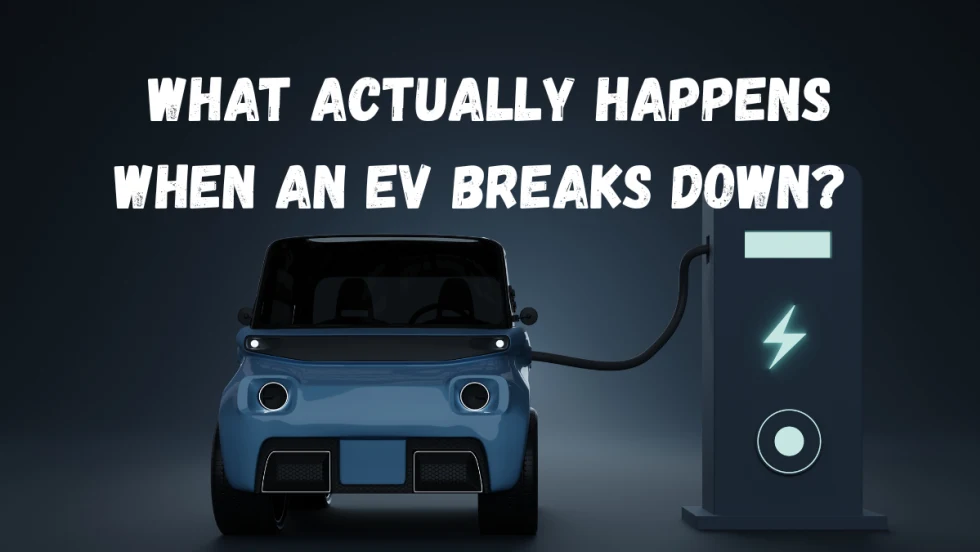
The EV Breakdown Nobody's Talking About: Why Most Electric Vehicle Roadside Calls Aren't Mechanical Failures
Here's why EV breakdowns are widely misunderstood.
Read More →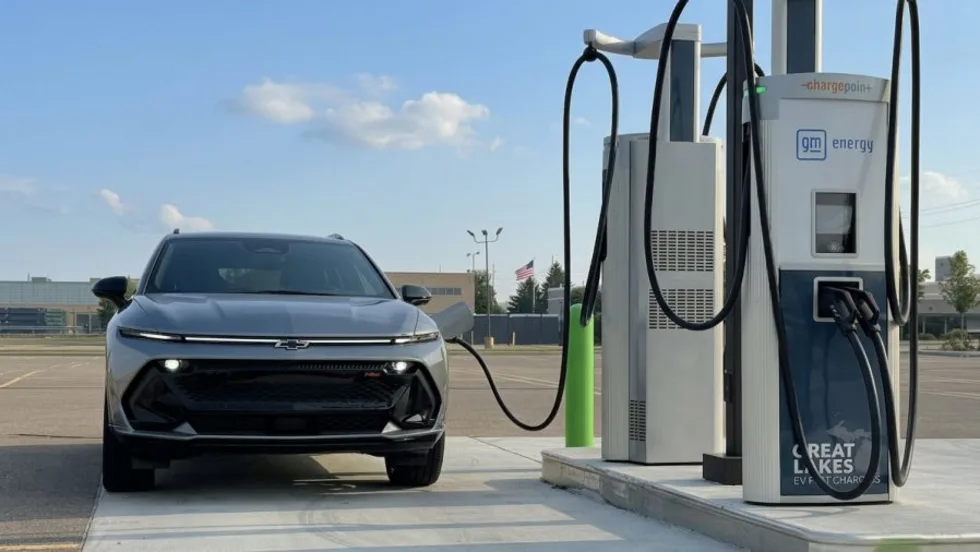
ChargePoint Now Available in Energy Pass
ChargePoint and additional planned charging network integrations were added to GM's Energy Pass.
Read More →

First Look: Slate Auto's Electric Fleet Pickup
Could an affordable, modular EV pickup make electrification more practical for fleets?
Read More →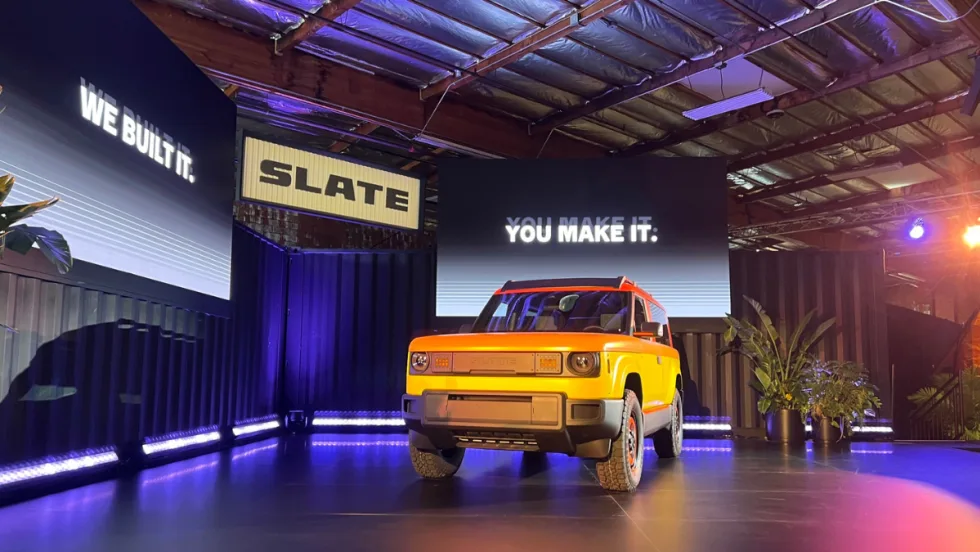
Slate Debuts Colorful, Unique EV Models
A recent media and client event, studded with electric vehicles dressed up on platforms, planted a new position for the manufacturer in the wider EV market. Fleets will find cost-saving advantages.
Read More →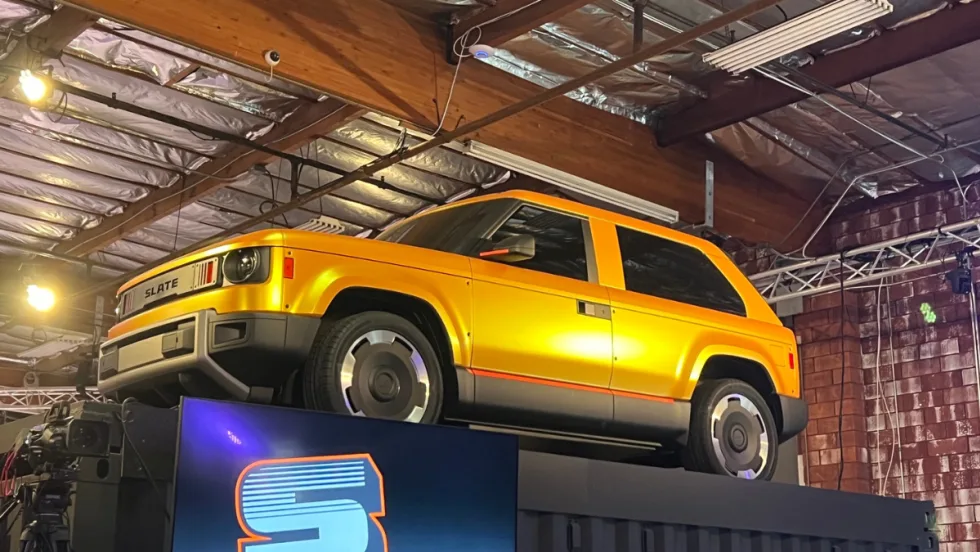
Slate Electric SUV, Pickup Switchable Model Aims For Light-Duty Fleets
Everything about this EV is counterintuitive and understated, making it stand out from the crowd.
Read More →
Inspiration Mobility Acquires Key Electrada Assets
Inspiration Mobility Group has acquired select assets of Electrada, adding the fleet electrification provider's team, technology, and charging infrastructure development capabilities to its energy management business.
Read More →