




College of New Jersey, PSE&G Unveil New EV Charging System
The College of New Jersey and Public Service Electric and Gas Corporation have opened a five-station electric vehicle charging system at the college.
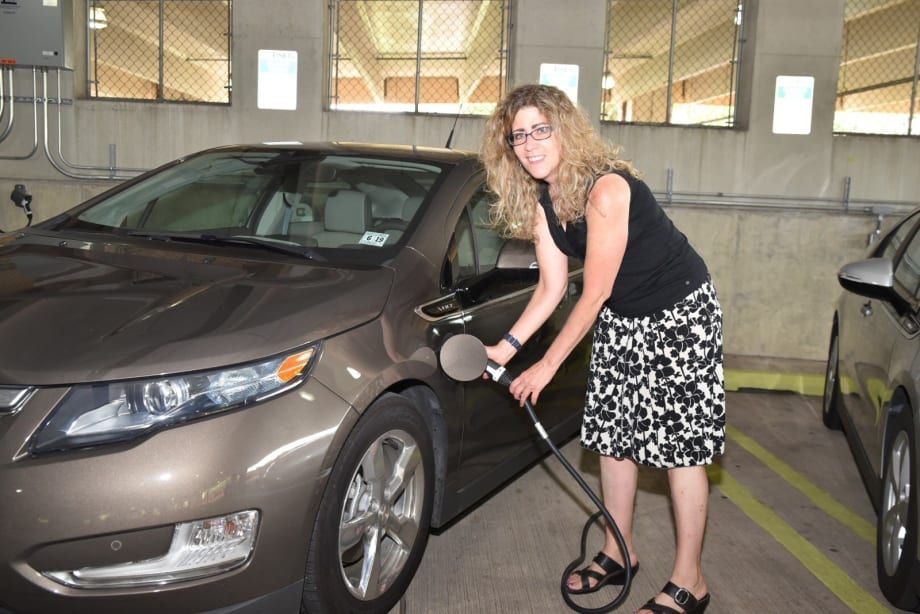
Lee Ann Riccardi, professor of art history and interim director of the college's Center for Global Engagement, plugs in her 2014 Chevy Volt. Photo Courtesy of PSE&G
The College of New Jersey and Public Service Electric and Gas Corporation (PSE&G) have opened a five-station electric vehicle (EV) charging system at the college. This system is part of a pilot program from PSE&G to help spur the adoption of electric vehicles in the utility's electric service area.
"The College of New Jersey is proud to partner with PSE&G on this innovative project that further advances our longstanding and broad-based environmental sustainability goals," said College President R. Barbara Gitenstein. "Through the generous support of PSE&G, we are now able to provide our faculty and staff with access to electric vehicle charging stations, reaffirming our commitment to reducing our carbon footprint in a fiscally responsible way."
The Ewing, N.J. college installed the system in one of its parking garages for faculty and staff to use. PSE&G provided the EV charging equipment for free while the college paid for installation. The college also plans to pay for ongoing maintenance and electricity costs.
"As the mileage range of electric vehicles continues to increase, we can expect that they will become more popular both across the country and in New Jersey," said Courtney McCormick, vice president-renewables and energy solutions, PSE&G. "By partnering with organizations like The College of New Jersey, PSE&G is helping to provide the needed infrastructure to support EV owners now while also demonstrating to potential owners that EVs are a viable option in the future."
PSE&G has installed 60 EV charging stations at 11 consumer locations around New Jersey, including the college, through its pilot program. The program goal is to install 120 charging stations around the state.
In addition to providing access to EV charging stations, PSE&G hopes to collect real-world data about how these chargers are being used. Through this program, PSE&G plans to gain a better understanding of the impact that large-scale EV charging could have on the electric grid, identify areas of potential high-EV charger density, and plan for infrastructure upgrades and modifications that may be needed.
The College of New Jersey maintains a number of sustainability initiatives through its Climate Action Plan. Other initiatives include an energy conservation program, construction of all LEED Silver-rated buildings, and five academic programs focused on environmentalism.
Originally posted on Work Truck Online
More Green Fleet
EV Charging Use Is Outpacing Infrastructure Growth
ChargePoint’s 2026 Charging Forward Report points to rising charger use, higher-powered charging, commercial vehicle electrification, and energy-management technology. Here’s what fleets should know.
Read More →
Merchants Fleet Reports 290M EV Miles as Fleets Navigate Changing Electrification Market
From millions in operating savings to hundreds of millions of EV miles, Merchants Fleet’s latest report reveals what’s working and what’s changing in fleet electrification.
Read More →
The EV Breakdown Nobody's Talking About: Why Most Electric Vehicle Roadside Calls Aren't Mechanical Failures
Here's why EV breakdowns are widely misunderstood.
Read More →
ChargePoint Now Available in Energy Pass
ChargePoint and additional planned charging network integrations were added to GM's Energy Pass.
Read More →

First Look: Slate Auto's Electric Fleet Pickup
Could an affordable, modular EV pickup make electrification more practical for fleets?
Read More →
Slate Debuts Colorful, Unique EV Models
A recent media and client event, studded with electric vehicles dressed up on platforms, planted a new position for the manufacturer in the wider EV market. Fleets will find cost-saving advantages.
Read More →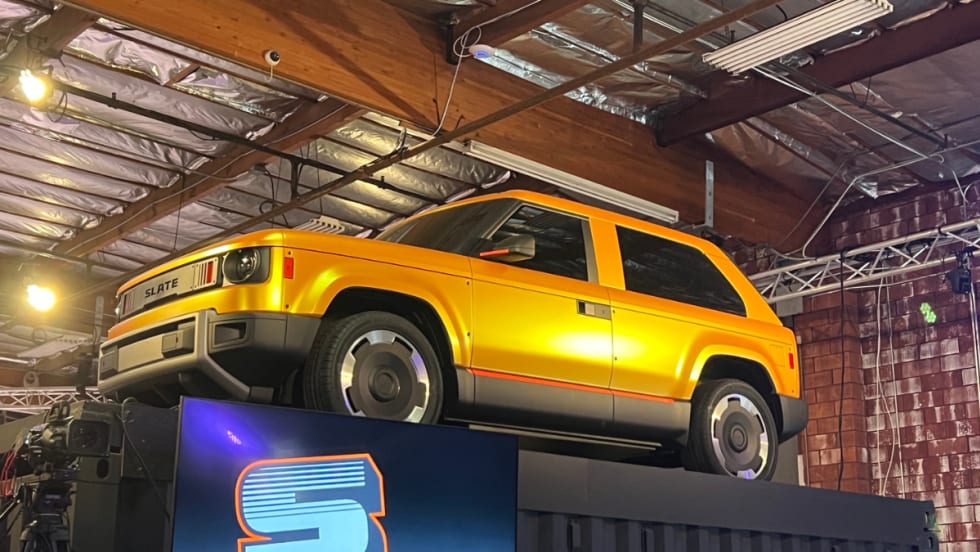
Slate Electric SUV, Pickup Switchable Model Aims For Light-Duty Fleets
Everything about this EV is counterintuitive and understated, making it stand out from the crowd.
Read More →
Inspiration Mobility Acquires Key Electrada Assets
Inspiration Mobility Group has acquired select assets of Electrada, adding the fleet electrification provider's team, technology, and charging infrastructure development capabilities to its energy management business.
Read More →
Turning Connected Vehicle Data Into Decisions That Matter
Fleet leaders have more data than ever, but turning that data into clear, actionable decisions remains a challenge. This white paper shows how leading organizations are using connected vehicle data to improve safety, reduce costs, and optimize fleet performance. Learn how to turn insight into action across your fleet.
Read More →