




Coca-Cola Reduces Direct Greenhouse Gas Emissions by 99 Percent
WASHINGTON - Coca-Cola has introduced a series of innovations throughout the nation's Capitol designed to reduce the Company's environmental footprint at each step in the manufacturing, distribution, and sales processes.
WASHINGTON - Coca-Cola has introduced a series of innovations throughout the nation's Capitol designed to reduce the Company's environmental footprint at each step in the manufacturing, distribution, and sales processes. These include: HFC-free coolers and vending machines, hybrid-electric delivery trucks and trailers, a closed-loop recycling program for the Capitol buildings and facilities, and a new recycling program for the National Mall and Memorial Parks.
In the metro-D.C. area alone, Coca-Cola Enterprises has deployed 20 hybrid electric delivery trucks and tractor trailers in the last year. CCE's hybrid electric trucks produce about 30 percent fewer emissions than standard trucks, and use technology to drastically reduce emissions when they're idling or in traffic.
The Company has 336 hybrid electric trucks in its fleet, giving it the largest private fleet of hybrid electric vehicles in North America. Coca-Cola also partnered with the National Park Service (NPS), the National Park Foundation (NPF), and the Trust for the National Mall (TNM) last year to create a recycling program for the National Mall and Memorial Parks. Coca-Cola Recycling is working with NPS and TNM to conduct a comprehensive evaluation of the waste stream at the National Mall and develop a sustainable recycling program. The program will be designed to suit the needs of special events and include recycling education for visitors to the parks.
[PAGEBREAK]
And, the next time a member of the House of Representatives reaches for a Coke, it will be from a greener vending machine. Today, House Majority Leader Steny Hoyer (D-MD) joined Dan Beard, House Chief Administrative Officer, and leaders from Coca-Cola to unveil 35 new climate friendly Coca-Cola vending machines for the Capitol buildings including the House, Senate and Visitor's Center. The new vending machines are hydro-fluorocarbon-free (HFC-free) and feature a natural refrigerant gas that substantially reduces direct greenhouse gas emissions by 99 percent.
The House of Representatives is the first location in the U.S. to feature Coca-Cola's new HFC-free vending machines. The new HFC-free cooling technology has approximately 1,430 times less global warming impact than the typical HFC refrigerant gas used in the U.S. and will reduce indirect greenhouse gas emissions by more than 5 tons over the lifetime of the machine.
Coca-Cola North America will install more than 400 HFC-free vending machines and coolers in locations throughout the U.S. in 2010. Earlier this year, Coca-Cola showcased HFC-free vending machines and coolers in Vancouver, Canada to support a green Winter Olympic Games. Coca-Cola and its bottling partners set a global goal to transition to HFC-free vending machines and coolers for new purchases by 2015.
Bottles and other plastic materials collected from recycling bins and centers in the metro-Washington, D.C. area are processed and recycled for reuse at Coca-Cola's bottle-to-bottle recycling facility in Spartanburg, S.C., representing a true "closed loop" system. The Spartanburg facility is the world's largest bottle-to-bottle recycling plant, capable of recycling 100 million pounds of recycled PET for reuse back into bottles each year.
More Green Fleet
EV Charging Use Is Outpacing Infrastructure Growth
ChargePoint’s 2026 Charging Forward Report points to rising charger use, higher-powered charging, commercial vehicle electrification, and energy-management technology. Here’s what fleets should know.
Read More →
Merchants Fleet Reports 290M EV Miles as Fleets Navigate Changing Electrification Market
From millions in operating savings to hundreds of millions of EV miles, Merchants Fleet’s latest report reveals what’s working and what’s changing in fleet electrification.
Read More →
The EV Breakdown Nobody's Talking About: Why Most Electric Vehicle Roadside Calls Aren't Mechanical Failures
Here's why EV breakdowns are widely misunderstood.
Read More →
ChargePoint Now Available in Energy Pass
ChargePoint and additional planned charging network integrations were added to GM's Energy Pass.
Read More →
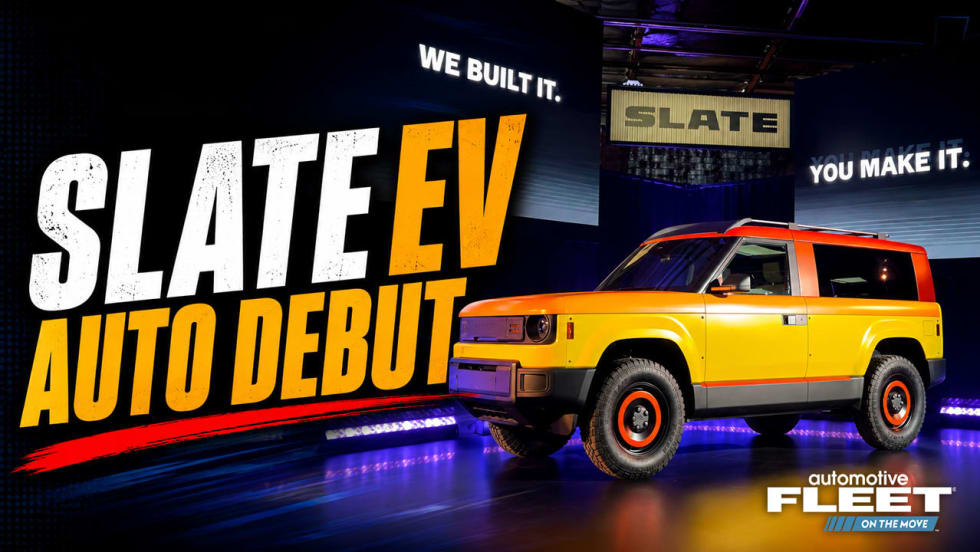
First Look: Slate Auto's Electric Fleet Pickup
Could an affordable, modular EV pickup make electrification more practical for fleets?
Read More →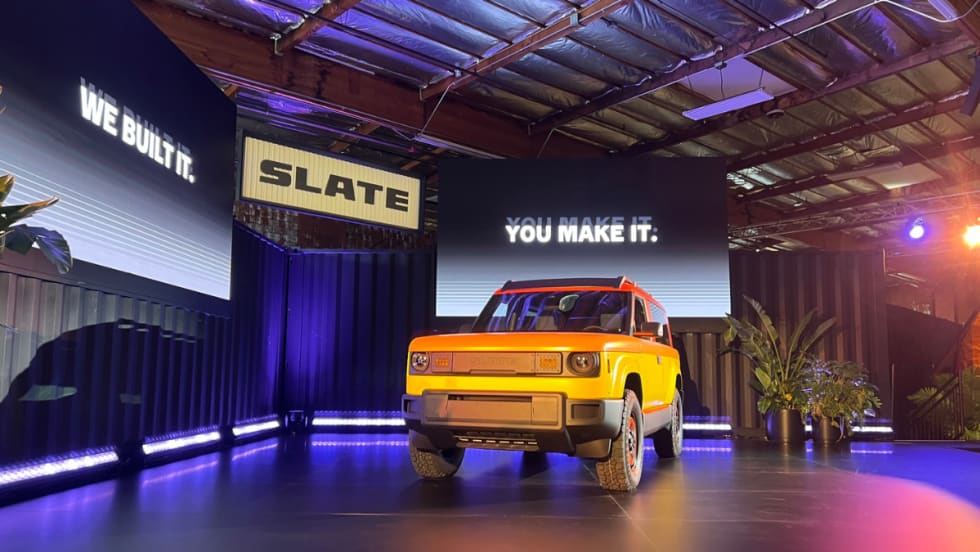
Slate Debuts Colorful, Unique EV Models
A recent media and client event, studded with electric vehicles dressed up on platforms, planted a new position for the manufacturer in the wider EV market. Fleets will find cost-saving advantages.
Read More →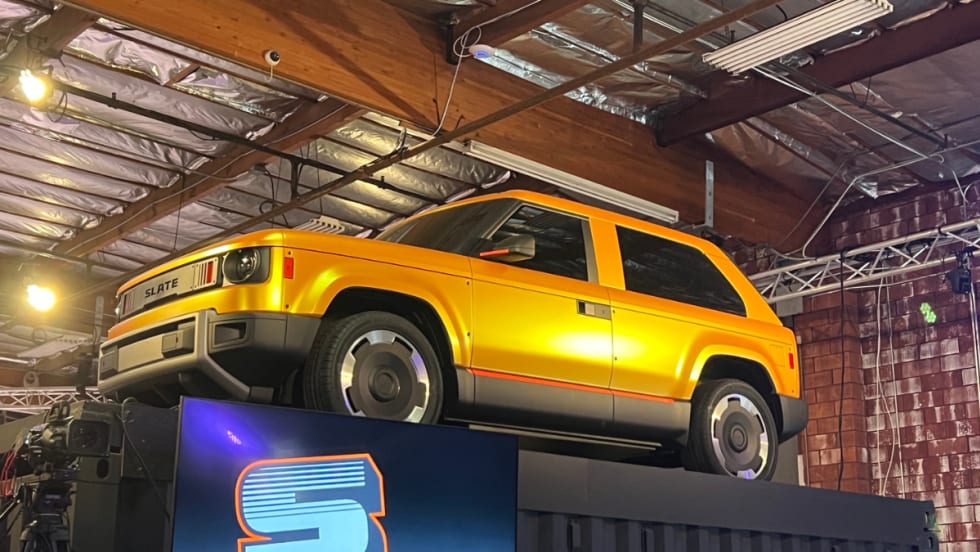
Slate Electric SUV, Pickup Switchable Model Aims For Light-Duty Fleets
Everything about this EV is counterintuitive and understated, making it stand out from the crowd.
Read More →
Inspiration Mobility Acquires Key Electrada Assets
Inspiration Mobility Group has acquired select assets of Electrada, adding the fleet electrification provider's team, technology, and charging infrastructure development capabilities to its energy management business.
Read More →
Turning Connected Vehicle Data Into Decisions That Matter
Fleet leaders have more data than ever, but turning that data into clear, actionable decisions remains a challenge. This white paper shows how leading organizations are using connected vehicle data to improve safety, reduce costs, and optimize fleet performance. Learn how to turn insight into action across your fleet.
Read More →