




Clean Truck Programs Fall Short of Clean Air Goals
Voluntary programs encourage the replacement of older, polluting trucks to new, cleaner models; however, research shows only a fraction of truck emissions have reduced as a result.
U.S. ports have been encouraging commercial fleets and independent owner-operators to participate in truck replacement programs in an effort to improve local air quality, but research shows that voluntary programs may only reduce a fraction of truck emissions. This is in contrast to mandatory programs, such as the Port of Los Angeles Clean Truck Program, which requires the use of clean trucks that meet the 2007 emissions standards and achieves greater emissions reductions.
The new peer-reviewed study by the Environmental Defense Fund (EDF) demonstrated that voluntary programs reduced emissions by one to four percent compared to a baseline of truck emissions before program implementation. Furthermore, the potential emission reductions are limited to 15 percent for particulate matter (PM) and 35 percent for nitrous oxides (NOx), two pollutants linked to serious health risks.
Some voluntary programs that have succeeded in modernizing local drayage trucks occurred after partnerships, such as the partnership of the Houston-Galveston Area Council and the Port of Houston in 2009. The Drayage Loan Program combined federal and state grants to provide drivers with low-interest loans and high value grants to replace older, polluting trucks with new, cleaner models. Short-haul drayage trucks have been found to contribute substantially to port area air pollution.
Find the EDF analysis titled, “Emissions reduction analysis of voluntary clean truck programs at U.S. ports,” authored by Elena Craft, PhD and Marcelo Norsworthy, in the July issue of Transportation Research Part D: Transport and Environment.
More Green Fleet

EV Charging Use Is Outpacing Infrastructure Growth
ChargePoint’s 2026 Charging Forward Report points to rising charger use, higher-powered charging, commercial vehicle electrification, and energy-management technology. Here’s what fleets should know.
Read More →
Merchants Fleet Reports 290M EV Miles as Fleets Navigate Changing Electrification Market
From millions in operating savings to hundreds of millions of EV miles, Merchants Fleet’s latest report reveals what’s working and what’s changing in fleet electrification.
Read More →
The EV Breakdown Nobody's Talking About: Why Most Electric Vehicle Roadside Calls Aren't Mechanical Failures
Here's why EV breakdowns are widely misunderstood.
Read More →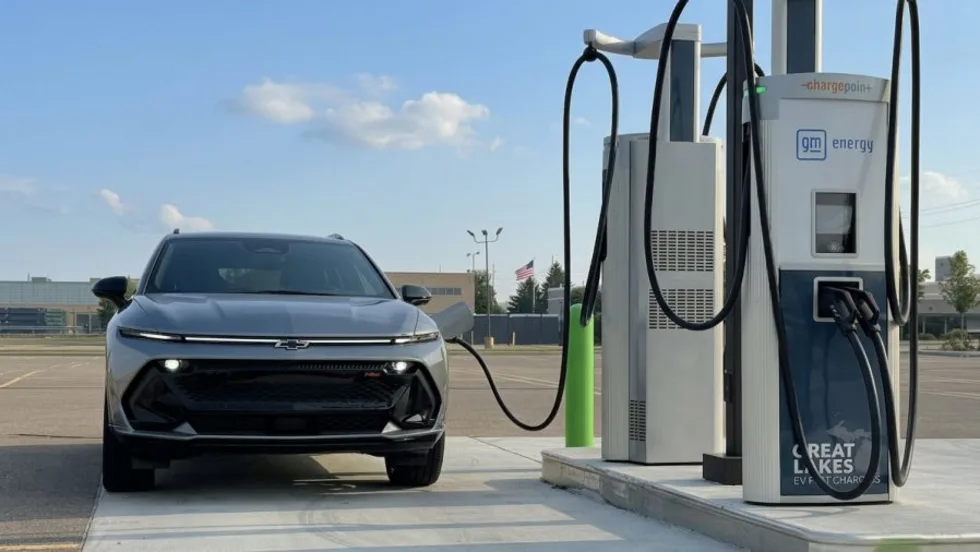
ChargePoint Now Available in Energy Pass
ChargePoint and additional planned charging network integrations were added to GM's Energy Pass.
Read More →

First Look: Slate Auto's Electric Fleet Pickup
Could an affordable, modular EV pickup make electrification more practical for fleets?
Read More →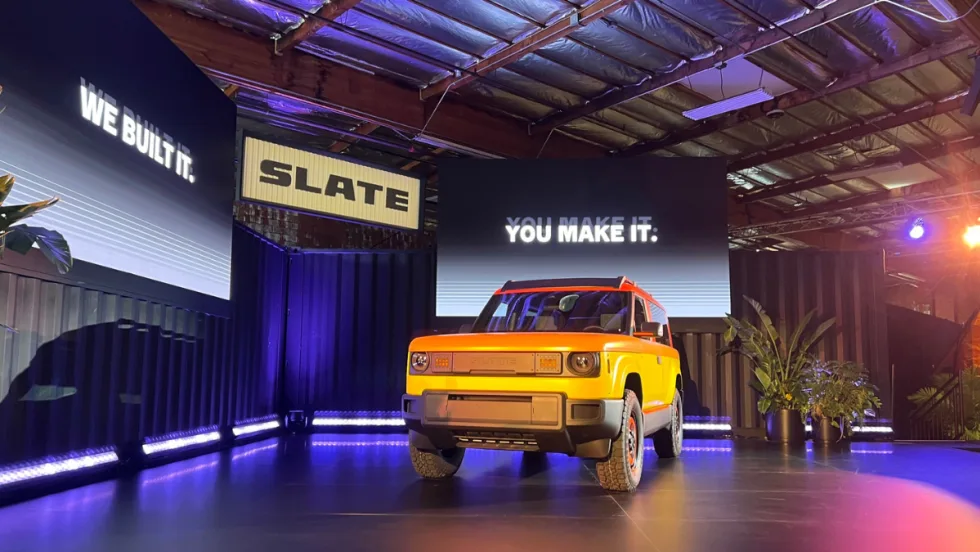
Slate Debuts Colorful, Unique EV Models
A recent media and client event, studded with electric vehicles dressed up on platforms, planted a new position for the manufacturer in the wider EV market. Fleets will find cost-saving advantages.
Read More →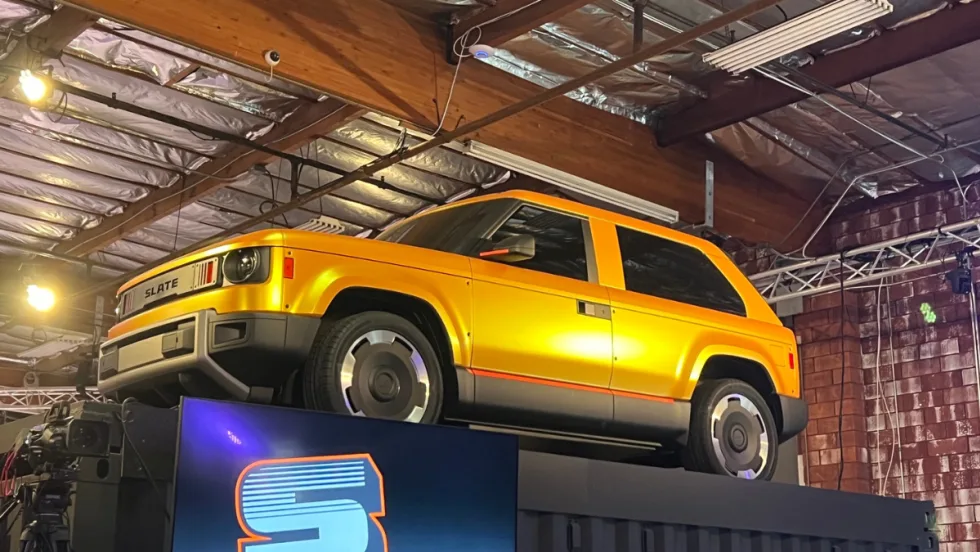
Slate Electric SUV, Pickup Switchable Model Aims For Light-Duty Fleets
Everything about this EV is counterintuitive and understated, making it stand out from the crowd.
Read More →
Inspiration Mobility Acquires Key Electrada Assets
Inspiration Mobility Group has acquired select assets of Electrada, adding the fleet electrification provider's team, technology, and charging infrastructure development capabilities to its energy management business.
Read More →
Turning Connected Vehicle Data Into Decisions That Matter
Fleet leaders have more data than ever, but turning that data into clear, actionable decisions remains a challenge. This white paper shows how leading organizations are using connected vehicle data to improve safety, reduce costs, and optimize fleet performance. Learn how to turn insight into action across your fleet.
Read More →