




City of Florence Explores Alternative Fuels for Fleet
FLORENCE, AL – City vehicles and equipment that use diesel fuel may soon smell more like home cooking as Florence explores an initiative to take residential cooking oil away from clogging the city’s sewers and recycle it into biodiesel.
FLORENCE, AL – City vehicles and equipment that use diesel fuel may soon smell more like home cooking as Florence explores an initiative to take residential cooking oil away from clogging the city’s sewers and recycle it into biodiesel, according to the Times Daily.
The initiative is touted as a cost-saving, environmentally cleaner alternative that could lessen the city’s dependence on foreign fuel sources.
The initiative, announced by Mayor Bobby Irons at a recent council meeting, also includes the potential long-term switch of the city’s gas fleet into E-85 flex-fuel vehicles that can use ethanol fuel mixtures. Irons said the city spends about $1 million in diesel annually, and if the city used B-20 fuel, a mixture of 20 percent biodiesel and 80 percent petroleum diesel, the city could see $100,000 in savings. The city’s fleet includes about 200 diesel vehicles and 400 gasoline vehicles, according to city officials.
Ideas under consideration include drop-off stations or residential pickup of used cooking oil, building a small biodiesel converter for the city’s use, and purchasing blended biodiesel from commercial distributors. By using biodiesel, the city may become eligible for federal tax credits that could give the city money to install in-house biodiesel converters or could reduce the price of pre-blended fuel.
Already, Florence has one publicly available biodiesel pump at 3155 Kendall Drive, operated by North Alabama Biodiesel.
The City of Hoover switched its fleet to B-20 biodiesel two years ago, and in March 2007, the city started a program that transforms used cooking oil into biodiesel. David Lindon, fleet management director for the city of Hoover, said the in-house biodiesel conversion cost about 80 cents per gallon, compared to the fluctuating cost of diesel for municipalities, which is currently more than $3.
Hoover now has 171 vehicles that run on some type of biodiesel, from B-20, which has 20 percent biodiesel and 80 percent diesel to B100, which is all biodiesel. The city used 60,000 gallons of biodiesel in 2007, of which about a quarter, 14,000 gallons, came from recycled cooking oil.
More Green Fleet

The EV Breakdown Nobody's Talking About: Why Most Electric Vehicle Roadside Calls Aren't Mechanical Failures
Here's why EV breakdowns are widely misunderstood.
Read More →
ChargePoint Now Available in Energy Pass
ChargePoint and additional planned charging network integrations were added to GM's Energy Pass.
Read More →

First Look: Slate Auto's Electric Fleet Pickup
Could an affordable, modular EV pickup make electrification more practical for fleets?
Read More →
Slate Debuts Colorful, Unique EV Models
A recent media and client event, studded with electric vehicles dressed up on platforms, planted a new position for the manufacturer in the wider EV market. Fleets will find cost-saving advantages.
Read More →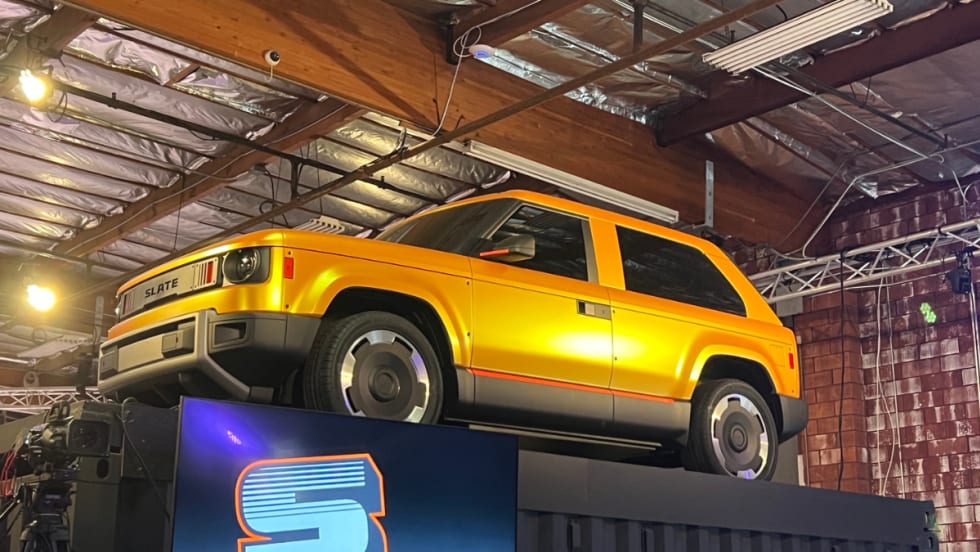
Slate Electric SUV, Pickup Switchable Model Aims For Light-Duty Fleets
Everything about this EV is counterintuitive and understated, making it stand out from the crowd.
Read More →
Inspiration Mobility Acquires Key Electrada Assets
Inspiration Mobility Group has acquired select assets of Electrada, adding the fleet electrification provider's team, technology, and charging infrastructure development capabilities to its energy management business.
Read More →
Turning Connected Vehicle Data Into Decisions That Matter
Fleet leaders have more data than ever, but turning that data into clear, actionable decisions remains a challenge. This white paper shows how leading organizations are using connected vehicle data to improve safety, reduce costs, and optimize fleet performance. Learn how to turn insight into action across your fleet.
Read More →
Are You Tracking Your Fleet's True Total Cost of Ownership?
Bobit Business Media surveyed 190 fleet professionals and found that while most fleets are tracking costs, fragmented systems and data gaps are keeping true TCO visibility out of reach. With rising pressure to control spend in an increasingly volatile environment, the gap between what fleets think they know and what the data actually shows is wider than you might expect. See how your peers are managing costs today and where the industry still has room to improve.
Read More →
Hybrids: Electrification Without the Challenges
For fleet managers, fuel is one of the biggest line items in the budget — and it's one hybrids can shrink without changing how your people work. Download the eBook to see the numbers, understand the technology, and get a step-by-step guide to making the switch.
Read More →