




City of Boise to Adopt Policy to Save Fuel
BOISE, IDAHO - Police officers and other city staffers are working to reduce the amount of time their cars idle to save gas and curb pollution.
BOISE, IDAHO - Police officers and other city staffers are working to reduce the amount of time their cars idle to save gas and curb pollution, according to www.idahostatesman.com.
The policy was informally adopted by Mayor Dave Bieter and his executive management team in recent months, spokesman Adam Park said Thursday. The anti-idling policy is set for final approval and adoption into the city's employee handbook, Park said.
The city has a fleet of about 1,100 vehicles, Fleet Services Manager Craig Croner has said. Croner worked with a city fleet advisory committee to craft the anti-idling policy.
"It's a recommendation," said Lynn Hightower, spokeswoman for Boise police. "First and foremost, there are officer safety needs."
Often, Hightower said, computers and other equipment outfitted in police cars take a beating in the heat. And there are some situations when officers must leave a car idling if they might have to take off quickly.
"Some officers have said it will take 15 or 20 minutes in cars for their computers to turn back on again," Hightower said. "Officers have been asked to be very prudent with gas savings, with their fuel use. If at all possible, turn off the vehicles."
According to the city's proposed anti-idling policy, studies have shown it is more fuel-efficient to turn vehicles off and then restart than to leave them idling.
The policy lays out certain conditions where idling is allowed, including in inclement weather and police vehicles doing traffic enforcement.
The city has also created a fuel contingency fund, sold about 50 older, unneeded or gas-guzzling cars, and purchased a new fleet tracking system to monitor fuel consumption and mileage.
More Green Fleet
EV Charging Use Is Outpacing Infrastructure Growth
ChargePoint’s 2026 Charging Forward Report points to rising charger use, higher-powered charging, commercial vehicle electrification, and energy-management technology. Here’s what fleets should know.
Read More →
Merchants Fleet Reports 290M EV Miles as Fleets Navigate Changing Electrification Market
From millions in operating savings to hundreds of millions of EV miles, Merchants Fleet’s latest report reveals what’s working and what’s changing in fleet electrification.
Read More →
The EV Breakdown Nobody's Talking About: Why Most Electric Vehicle Roadside Calls Aren't Mechanical Failures
Here's why EV breakdowns are widely misunderstood.
Read More →
ChargePoint Now Available in Energy Pass
ChargePoint and additional planned charging network integrations were added to GM's Energy Pass.
Read More →

First Look: Slate Auto's Electric Fleet Pickup
Could an affordable, modular EV pickup make electrification more practical for fleets?
Read More →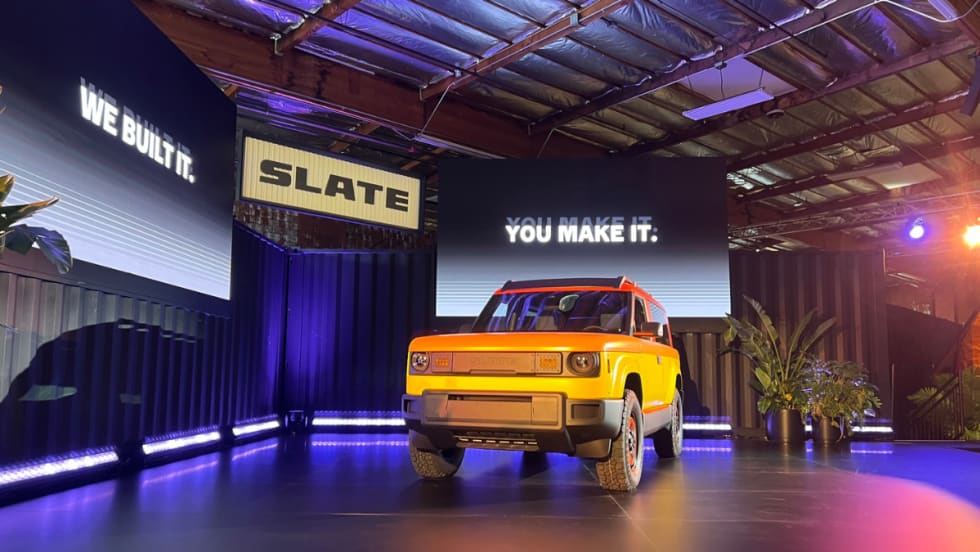
Slate Debuts Colorful, Unique EV Models
A recent media and client event, studded with electric vehicles dressed up on platforms, planted a new position for the manufacturer in the wider EV market. Fleets will find cost-saving advantages.
Read More →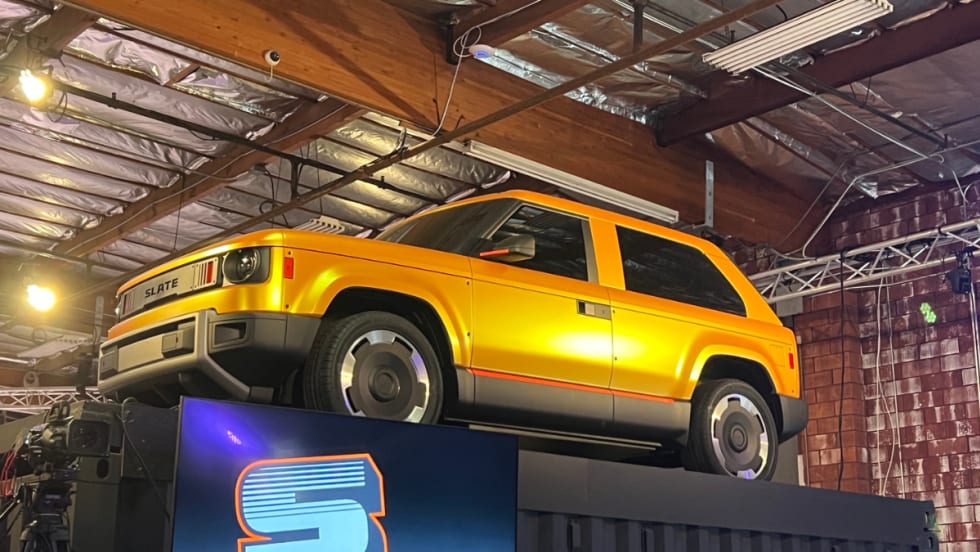
Slate Electric SUV, Pickup Switchable Model Aims For Light-Duty Fleets
Everything about this EV is counterintuitive and understated, making it stand out from the crowd.
Read More →
Inspiration Mobility Acquires Key Electrada Assets
Inspiration Mobility Group has acquired select assets of Electrada, adding the fleet electrification provider's team, technology, and charging infrastructure development capabilities to its energy management business.
Read More →
Turning Connected Vehicle Data Into Decisions That Matter
Fleet leaders have more data than ever, but turning that data into clear, actionable decisions remains a challenge. This white paper shows how leading organizations are using connected vehicle data to improve safety, reduce costs, and optimize fleet performance. Learn how to turn insight into action across your fleet.
Read More →