




Chrysler Submits $448M Plan for Development and Manufacturing of EVs
AUBURN HILLS, MI – Chrysler has submitted three proposals to the Department of Energy aimed at rapid vehicle electrification.
AUBURN HILLS, MI – On May 26, Chrysler LLC announced the company has submitted three proposals outlining a $448-million plan to the U.S. Department of Energy (DOE) in order to rapidly bring electric vehicles (EV) and plug-in hybrid-electric vehicles (PHEV) to market.
Chrysler LLC applied for two initiatives established by the DOE — the Electric Drive Vehicle Battery and Component Manufacturing Initiative and the Transportation Electrification Initiative. Both are designed to speed up development, demonstration, evaluation and manufacturing of EVs and PHEVs. The programs represent a 50/50 cost-share opportunity with $224 million from Chrysler and its partners, combined with a matching $224 million from the DOE. These funds will accelerate the market introduction and penetration of advanced powertrains.
"These initiatives represent how government and the automotive industry are answering the challenge of reaching common goals and demonstrate how rapidly this type of advanced technology can be brought to market in a collaborative environment," said John Bozzella, senior vice president-External Affairs and Public Policy, Chrysler LLC. "Without U.S. innovation and production capacity, we will simply trade batteries for oil in the pursuit of transportation energy."
If approved, the company plans to use funds to build a demonstration fleet of PHEVs and EVs, as well as create a new-vehicle electrification technology and manufacturing center located in Michigan. The proposal will enable the production of commercially viable products in a shorter time frame. Combined, Chrysler's proposal will stimulate the economy and help the company achieve its leadership goals in electrified-vehicle development and production.
The Transportation Electrification Initiative
Chrysler LLC's $365 million submission for the Transportation Electrification Initiative intends to establish a nationwide demonstration fleet of more than 365 test-fleet vehicles for use by select customers and partners. The Chrysler Town & Country and Dodge Ram 1500 are popular models in their respective segments and as PHEVs can achieve substantial greenhouse-gas reduction. To ensure a robust assessment, Chrysler will demonstrate 100 Chrysler Town & Country PHEV minivans and 100 Dodge Ram PHEV pickup trucks across a range of drive cycles and consumer-usage patterns in diverse geographies and climates throughout the United States. The company has established more than a dozen partnerships with city and local governments, research and development authorities, utility companies and universities to test the PHEVs.
In addition, through a partnership between Chrysler's ENVI group and the U.S. Postal Service (USPS), Chrysler will deliver 165 Chrysler Town & Country EV cargo minivans for daily mail service in four regions throughout the country. ENVI has created numerous partnerships with energy providers and utility companies in order to develop an electric-vehicle charging infrastructure that will efficiently service its electric-vehicle test fleet.
[PAGEBREAK]
The Electric Drive Vehicle Battery and Component Manufacturing Initiative
Within the Electric Drive Vehicle Battery and Component Manufacturing Initiative, Chrysler plans to use as much as $83 million to build a new vehicle electrification technology and manufacturing center in Michigan. This new facility would house development, testing and electric-drive component manufacturing in addition to final assembly of EVs and Range-extended Electric Vehicles (ReEVs). The complex would be functional by 2010 and produce more than 20,000 units per year.
"These proposals present a win-win situation for Chrysler and, most importantly, our customers," said Frank Klegon, executive vice president, Product Development, Chrysler LLC. "This plan will accelerate our efforts to develop and manufacture electric and plug-in hybrid-electric vehicles, which will reduce the amount of time it will take to get these vehicles on the road."
Chrysler would utilize both DOE programs as first steps toward the commercialization of "no compromise" electrified vehicle technologies beyond Hybrid-electric Vehicle (HEV) applications currently on the road.
Last month, ENVI, Chrysler's in-house electric vehicle organization, made multiple announcements aimed at accelerating the market introduction of electric-drive vehicles. The company created a lithium-ion battery production partnership with U.S. based A123Systems and facilitated a new lithium-ion battery manufacturing plant in Southeastern Michigan-a joint program with A123Systems and the Michigan Economic Development Corporation. Chrysler also announced its plans to address the future needs of fleet customers, such as the U.S. Postal Service, with a pure-electric Chrysler Town & Country EV Cargo minivan.
More Fuel

Turning Fleet Payment Data into Executive Insights
Ramel Lindsay of U.S. Bank Voyager discusses how fleets can transform payment and transaction data into actionable intelligence to reduce costs, improve oversight, and support executive decision-making.
Read More →
Why the IRS Raised Its Mileage Rate in the Middle of 2026
Fuel-price volatility drove the rare increase to 76 cents per mile, the fifth midyear adjustment since 2000.
Read More →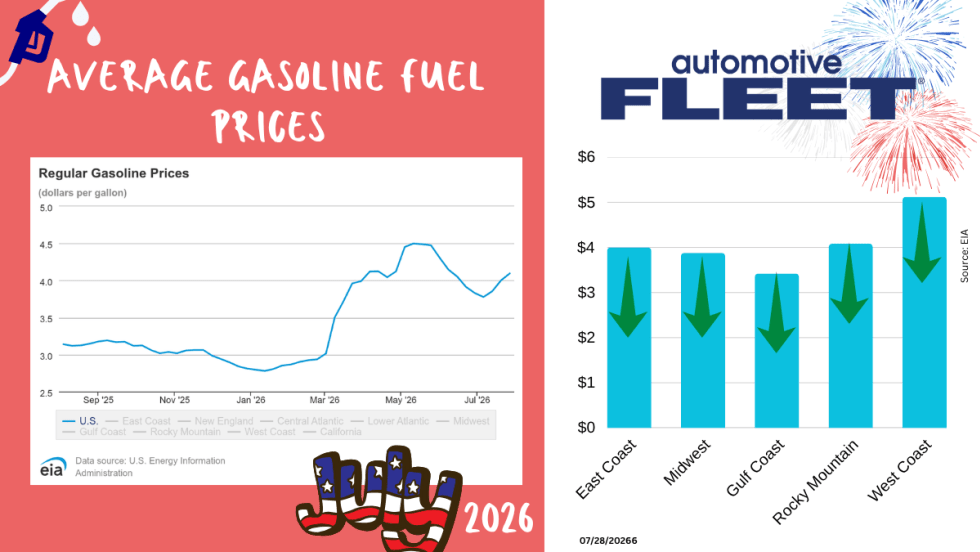
July Fuel Update: Prices Keep Rising in Light of More Conflict
Gas prices continue to rise as more and more conflicts do, too.
Read More →
Bob Adamsky on Fuel Volatility: "Don't Panic, Have a Plan."
When it comes to up and down fuel prices, Adamsky has a message for fleets: “Don’t panic.”
Read More →
How Fleets Can Gain Control of Non-Fuel Spend
Fuel often gets the spotlight, but non-fuel expenses can have a major impact on fleet costs. Ramel Lindsay of U.S. Bank Voyager discusses how fleets can gain better visibility and control over these often-overlooked expenditures.
Read More →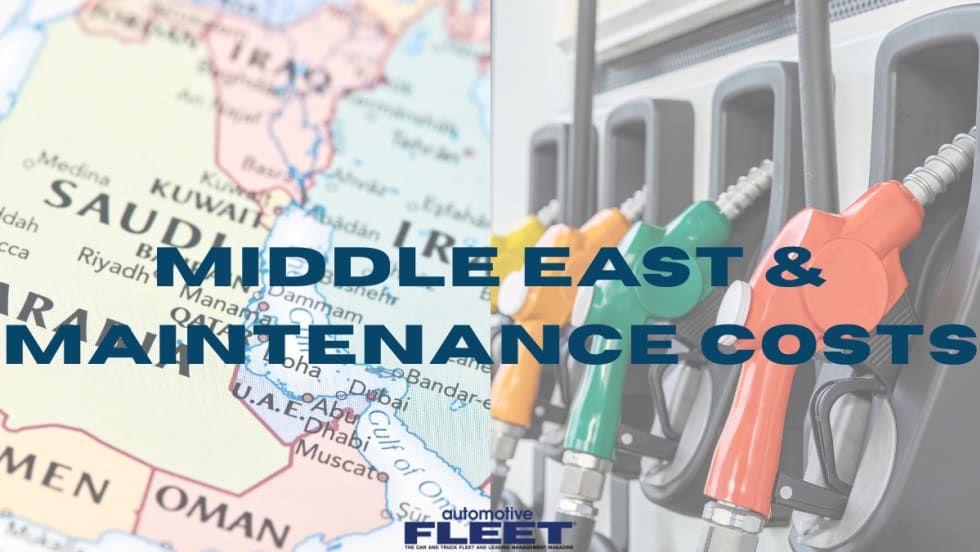
Fuel is Just the Start: How Middle East Tensions are Driving Up Fleet Maintenance Costs
The Middle East conflict is doing more than pushing up fuel prices. It’s also raising the cost of key maintenance products your fleet depends on, from motor oil to tires to windshield wipers. Here’s what you need to know about this budget-busting situation.
Read More →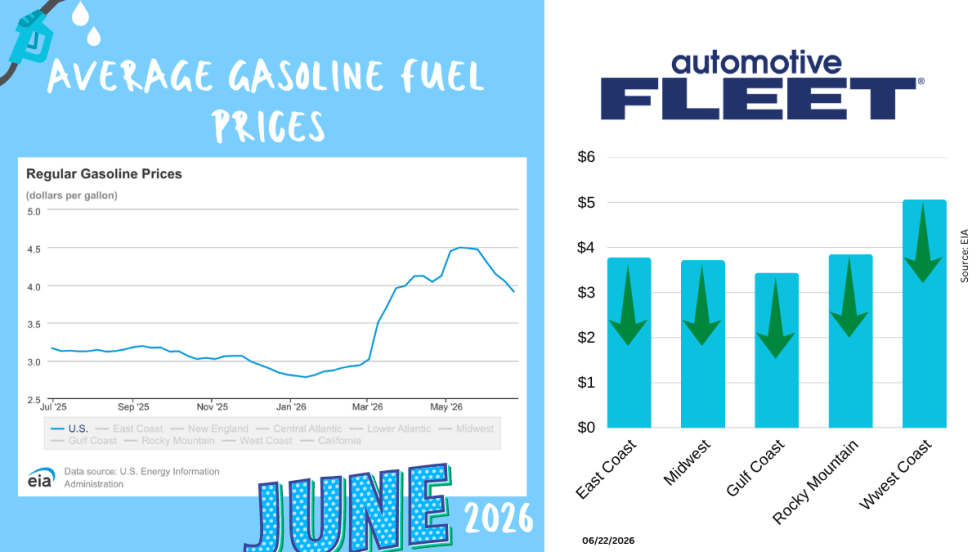
June Fuel Update: Prices Fall Below $4
Drivers are finally getting some relief at the pump. The national average gas price has dropped below $4 a gallon for the first time in months, with prices falling in 47 states as oil markets react to developments in U.S.-Iran negotiations.
Read More →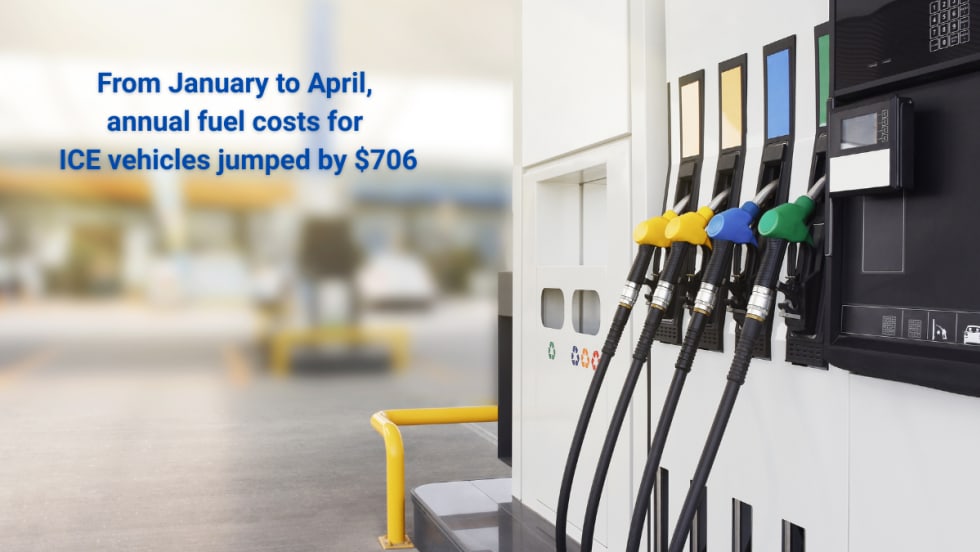
Study: How 2026's Gas Price Hikes Affect Different Vehicle Types
New data from iSeeCars reveals how rising fuel costs have affected different vehicle segments as gasoline prices climbed nearly 46% over the past four months.
Read More →
Are You Tracking Your Fleet's True Total Cost of Ownership?
Bobit Business Media surveyed 190 fleet professionals and found that while most fleets are tracking costs, fragmented systems and data gaps are keeping true TCO visibility out of reach. With rising pressure to control spend in an increasingly volatile environment, the gap between what fleets think they know and what the data actually shows is wider than you might expect. See how your peers are managing costs today and where the industry still has room to improve.
Read More →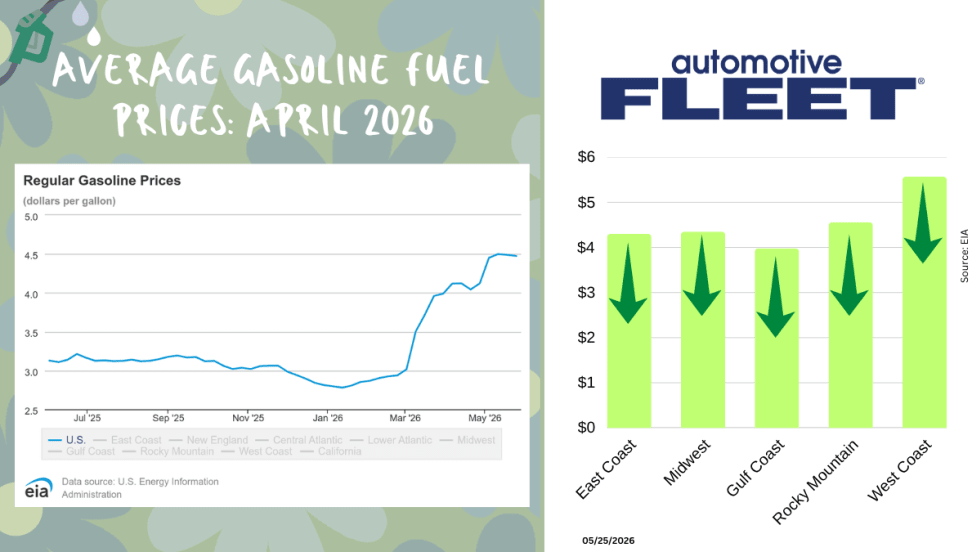
May Fuel Update: All Regions Experience Declines
Gas prices are finally easing in much of the country, but experts warn global tensions could quickly reverse the trend as the national average remains well above last month’s levels.
Read More →