




Chrysler Group Dedicates Kenosha Plant Expansion; Launches Production of New 3.5-Liter V6 Engine
On July 29 the Chrysler Group dedicated a new 500,000 square-foot expansion of its Kenosha Engine Plant with the launch of the 3.5-liter V6 engine that will power the all-new Chrysler Pacifica, which begins production in early 2003.
On July 29 the Chrysler Group dedicated a new 500,000 square-foot expansion of its Kenosha Engine Plant with the launch of the 3.5-liter V6 engine that will power the all-new Chrysler Pacifica, which begins production in early 2003. The 3.5-liter SOHC 24-valve V6 engine will offer performance and improved fuel economy, according to the company. The 3.5-liter production launch marks the completion of the plant's $624 million modernization and expansion program that began in 1999, and coincides with the city of Kenosha's Automotive Centennial celebration. Chrysler Group plants traditionally use outside vendors for installation of new machinery to create production areas. At Kenosha Engine, a pilot team was created in an effort to eliminate problems up-front and increase efficiencies. Approximately 30 people from Kenosha's hourly workforce collaborated with corporate engineers, advanced manufacturing teams and suppliers to provide recommendations on the equipment and implementation procedures. Some 100 employees were involved in the equipment floor installation, testing of machinery and training initiatives associated with the new engine. The design and functionality of the new 3.5-liter engine was derived from the Chrysler 300M, Chrysler Concorde and Dodge Intrepid engine. An all-new dual-intake manifold provides an up-grade to the Kenosha-built engine. The plant currently produces the 4.0-liter I-6 rear-wheel drive and 2.7-liter V6 front-wheel drive engines for use in the Chrysler Concorde and Sebring, Dodge Stratus and Intrepid and Jeep Grand Cherokee and Wrangler. With Pacifica, Chrysler is taking yet another concept vehicle to reality. The production version of the all-new 2004 Chrysler Pacifica sports-tourer was introduced earlier this year at the New York International Auto Show. Production of the 2004 Chrysler Pacifica will begin in early 2003 at Chrysler Group's Windsor Assembly Plant, (Windsor, Ontario, Canada). Pacifica will be built on its own, unique platform, but will use existing corporate components, including the 3.5-liter V6 engine. At full production, Kenosha Engine will employ more than 1,700 team members and has the ca-pacity to produce 780,000 engines annually on a two-shift operation. The 1.8 million square-foot facility currently employs 1,675 workers, who produce more than 2,000 units per day. Since 1997, Chrysler Group has invested $1.2 billion in the Kenosha facility.
More Operations

Here's When You Should Make an Exception to Fleet Policy
Fleet policies are designed to create consistency, but not every driver or situation fits neatly within standard rules.
Read More →
AI-Native or AI-Acquired: What Should Fleet Managers Look for in an AI Platform?
Six questions can help fleet managers look beyond AI marketing claims to evaluate integration, data access, and real-world operational performance.
Read More →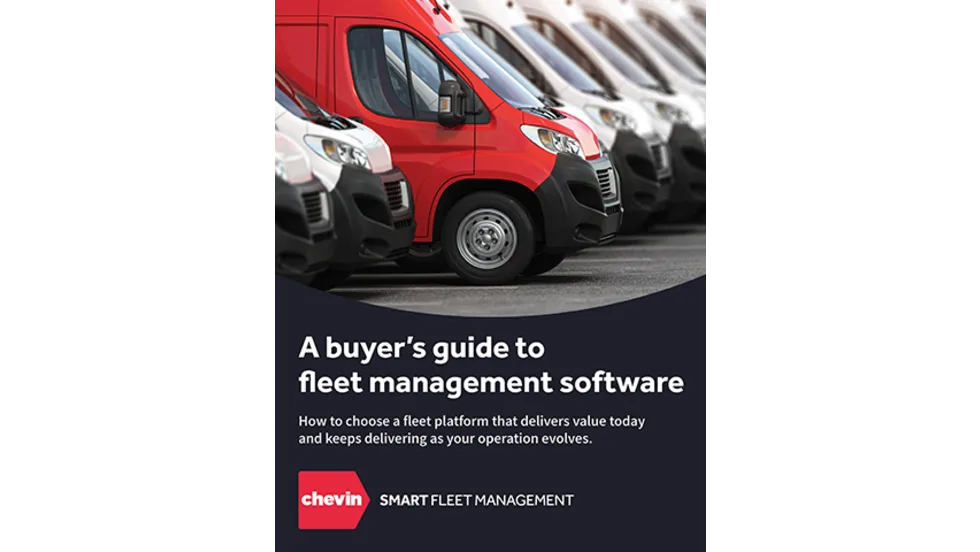
A buyer's guide to fleet management software in 2027
Buying fleet management software in 2027 means looking beyond features and price. As fleet operations, technology and expectations evolve, this guide explores what today’s fleet professionals should consider when choosing a system that can deliver value now and adapt to what comes next.
Read More →

What Will Shape the Next Era of Fleet Management?
EVs, AI, and autonomous vehicles are reshaping fleet management. Discover what’s ahead—and how fleet leaders can prepare for the next era.
Read More →
How Fleets Can Recruit and Train Veterans for Technician Roles
Here's how the technician shortage has affected uptime for fleets, and what to do about it.
Read More →
Avis Budget Group Deploys Neology Toll Management Technology Across Major Brands
Neology’s neoFleet platform will manage toll transactions and toll-authority operations for vehicles across Avis, Budget, Payless, Budget Truck and Zipcar.
Read More →
Fleet Personal-Use Charges Edge Higher in 2026
Nearly eight in 10 surveyed fleets allow personal use of company vehicles, while just over half of respondents report charging employees for the privilege.
Read More →
The Future of Fleet + What’s Changing Right Now | AF News Recap
Could developments overseas offer a preview of what’s coming for U.S. fleets? This week, we’re looking at the future of AI, autonomy, and electrification, plus Ford Pro’s new certified pre-owned program, smarter vehicle offboarding, and a new way for fleets to manage toll expenses.
Read More →
How to Handle Vehicle Offboarding
What do fleet managers need to do when a driver leaves?
Read More →
Fleet Manager’s Ultimate Playbook: Navigating the New Standard in OEM Connectivity
Rising operating costs, driver safety concerns, and unplanned downtime are putting unprecedented pressure on modern fleets. Discover how fleet managers use embedded OEM connectivity and real-time vehicle data to cut TCO, prevent downtime, and protect drivers without aftermarket telematics hardware.
Read More →