




Central Hudson to Buy 8 Hybrid Trucks
POUGHKEEPSIE, NY - Central Hudson has been awarded a $700,000 stimulus grant to defray the incremental costs of four hybrid and four plug-in electric hybrid line trucks for use in daily utility operations.
POUGHKEEPSIE, NY - Central Hudson has been awarded a $700,000 grant through the American Recovery and Reinvestment Act (ARRA), to defray the incremental costs of four hybrid and four plug-in electric hybrid line trucks for use in daily utility operations.
The eight heavy-duty hybrid vehicles combined will save an estimated 12,000 gallons of diesel fuel each year, more than 260,000 lbs. in CO2 emissions, and about $40,000 per year in operating costs, according to the company. The award is administered through the New York State Research and Development Authority (NYSERDA), and New York City and Lower Hudson Valley Clean Communities.
"These trucks are being purchased as part of our normal vehicle replacement program, however with this funding we are able to obtain four diesel-electric hybrids and four plug-in diesel-electric hybrid models for our fleet," said Carl Meyer, president and chief operating officer. "These hybrid trucks reduce emissions and fuel use over conventional vehicles, and provide a win-win solution by protecting the environment and lowering operating costs."
The four hybrid diesel-electric line trucks will use regenerative braking to recharge the batteries that operate the electric motor, and will be used on assignments that require higher levels of driving distances to take advantage of this feature.
The batteries for the four plug-in hybrid diesel-electric line trucks can be recharged through regenerative braking, but also by an AC outlet, and will use this plug-in feature to ensure a full charge at assignments with less travel and which are more stationary in nature. "Recharging batteries from the electric grid reduces greenhouse gas emissions by 70 percent compared with using diesel or gasoline engines, at an average fuel cost of less than $1.00 per equivalent gallon," said Meyer.
All eight trucks will be equipped with advanced lithium-ion batteries. By using a combination of electricity and diesel fuel to power the vehicles, the hybrids are projected to reduce greenhouse gas emissions by about 40 percent over conventional vehicles using diesel fuel alone.
Since 2006 and during most months of the year, Central Hudson uses B20 biodiesel fuel for its fleet, a blend of 80 percent petroleum diesel and 20 percent soybean oil. "Biodiesel fuel reduces emissions, lowers our petroleum dependence, and provides better lubricity for diesel engines," said Meyer. "These heavy-duty hybrid trucks will allow our use of two alternative fuels at the same time, electricity and biodiesel, providing the operating experience and information we can use in evaluating future vehicle purchases." Deliveries of the first four hybrid vehicles are expected in late 2010.
The Department of Energy Clean Cities Petroleum Reduction Technologies Projects obtained $300 million through the ARRA, and released more than $13 million to NYSERDA's Statewide Alternative Fuel Vehicle Program on behalf of the Clean Cities Coalitions in New York. As part of the grant program, vehicle performance data will be collected and shared with NYSERDA.
More Green Fleet

EV Charging Use Is Outpacing Infrastructure Growth
ChargePoint’s 2026 Charging Forward Report points to rising charger use, higher-powered charging, commercial vehicle electrification, and energy-management technology. Here’s what fleets should know.
Read More →
Merchants Fleet Reports 290M EV Miles as Fleets Navigate Changing Electrification Market
From millions in operating savings to hundreds of millions of EV miles, Merchants Fleet’s latest report reveals what’s working and what’s changing in fleet electrification.
Read More →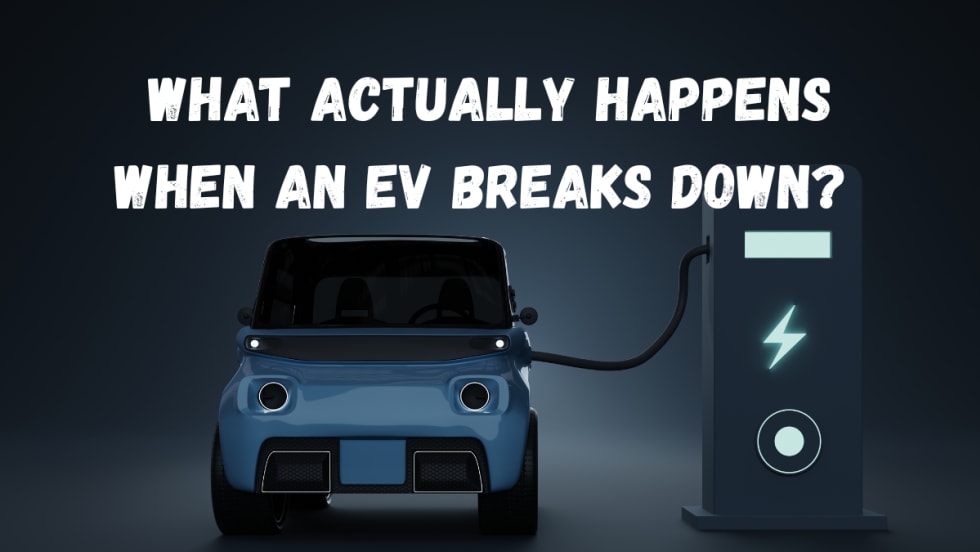
The EV Breakdown Nobody's Talking About: Why Most Electric Vehicle Roadside Calls Aren't Mechanical Failures
Here's why EV breakdowns are widely misunderstood.
Read More →
ChargePoint Now Available in Energy Pass
ChargePoint and additional planned charging network integrations were added to GM's Energy Pass.
Read More →

First Look: Slate Auto's Electric Fleet Pickup
Could an affordable, modular EV pickup make electrification more practical for fleets?
Read More →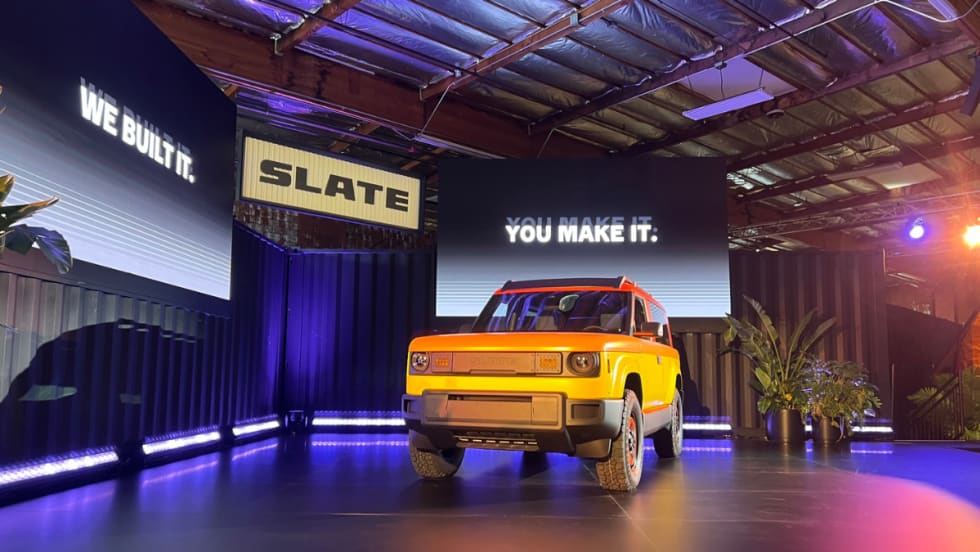
Slate Debuts Colorful, Unique EV Models
A recent media and client event, studded with electric vehicles dressed up on platforms, planted a new position for the manufacturer in the wider EV market. Fleets will find cost-saving advantages.
Read More →
Slate Electric SUV, Pickup Switchable Model Aims For Light-Duty Fleets
Everything about this EV is counterintuitive and understated, making it stand out from the crowd.
Read More →
Inspiration Mobility Acquires Key Electrada Assets
Inspiration Mobility Group has acquired select assets of Electrada, adding the fleet electrification provider's team, technology, and charging infrastructure development capabilities to its energy management business.
Read More →
Turning Connected Vehicle Data Into Decisions That Matter
Fleet leaders have more data than ever, but turning that data into clear, actionable decisions remains a challenge. This white paper shows how leading organizations are using connected vehicle data to improve safety, reduce costs, and optimize fleet performance. Learn how to turn insight into action across your fleet.
Read More →