




CARB Passes New Rules Mandating More Zero-Emission & Plug-in Hybrid Vehicles
LOS ANGELES -- The California Air Resources Board (CARB) on Jan. 27 unanimously approved a package of new emissions rules for 2017-2025 model-year cars and light trucks. The rules require that by 2025, zero-emission and plug-in hybrid vehicles will account for one in seven new cars sold in California – approximately 15.4 percent of new vehicles sales in that year.
LOS ANGELES -- The California Air Resources Board (CARB) on Jan. 27 unanimously approved a package of new emissions rules for 2017-2025 model-year cars and light trucks. The rules require that by 2025, zero-emission and plug-in hybrid vehicles will account for one in seven new cars sold in California – approximately 15.4 percent of new vehicles sales in that year.
The Advanced Clean Cars program aims to have more than 1.4 million zero-emission and plug-in hybrid vehicles on the road in California by 2025.
Program backers assert that the rules will deliver a 75-percent reduction in smog-forming emissions from new vehicles by 2025 (compared to 2014 levels). What’s more, they say, greenhouse gas emissions from new cars will be cut 34 percent from 2016 levels, and the rules package will result in a cumulative reduction of more than 870 million metric tons of greenhouse gases through 2050.
“The California Advanced Clean Car rules will clean our air, fight climate change and provide cars that save consumers thousands of dollars at the pump,” said CARB Chair Mary D. Nichols. “The Board’s action today will create thousands of new jobs, transforming California into the advanced car capital of the world.”
The new rules are intended to bolster production and delivery of zero-emission technologies, such as full battery electric cars, newly emerging plug-in hybrid electric vehicles and hydrogen fuel-cell cars. The regulatory package is also designed to ensure adequate fueling infrastructure is available for the increasing numbers of hydrogen fuel-cell vehicles planned for deployment in California.
The Advanced Clean Cars program, in development over the past three years, is composed of four components: A greenhouse gas standard for 2017-2025 model-year cars and light trucks, smog-forming emission reduction standards, zero-emission vehicle regulation and clean fuels outlet standards. The latter component's regulation is designed to support the commercialization of zero-emission hydrogen fuel-cell vehicles planned by automakers by 2015. Construction of the new stations will provide a fueling infrastructure for hydrogen fuel-cell vehicles.
Backers of the program forecast that California drivers will save $5 billion in operating costs in 2025, and $10 billion by 2030 when more advanced cars are on the road. In 2025, they say, average consumers will see nearly $6,000 in fuel cost savings over the life of the car -- nearly triple the estimated per-vehicle cost. The new requirements are expected to add approximately $1,900 to the price of a new vehicle in 2025.
For more details about the Advanced Clean Cars program's regulations, click here.
More Green Fleet
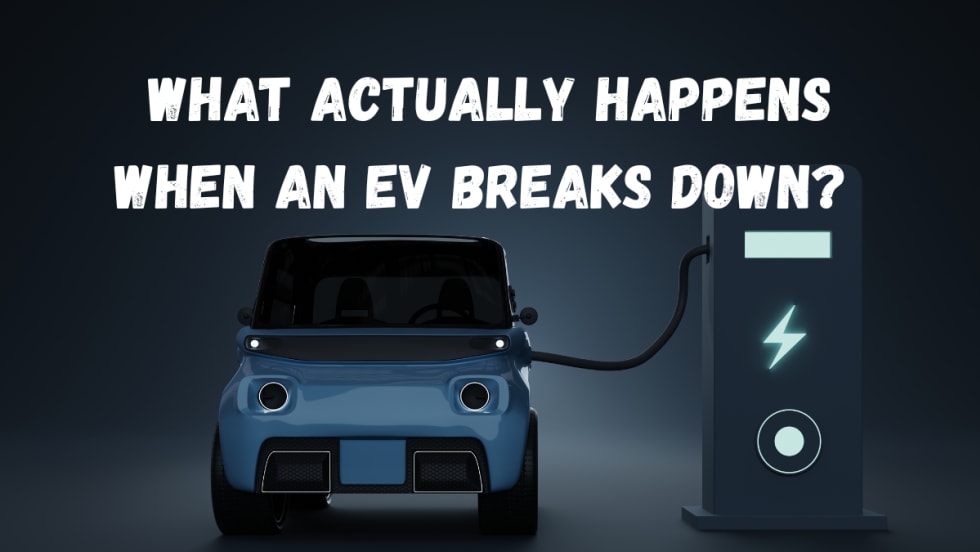
The EV Breakdown Nobody's Talking About: Why Most Electric Vehicle Roadside Calls Aren't Mechanical Failures
Here's why EV breakdowns are widely misunderstood.
Read More →
ChargePoint Now Available in Energy Pass
ChargePoint and additional planned charging network integrations were added to GM's Energy Pass.
Read More →

First Look: Slate Auto's Electric Fleet Pickup
Could an affordable, modular EV pickup make electrification more practical for fleets?
Read More →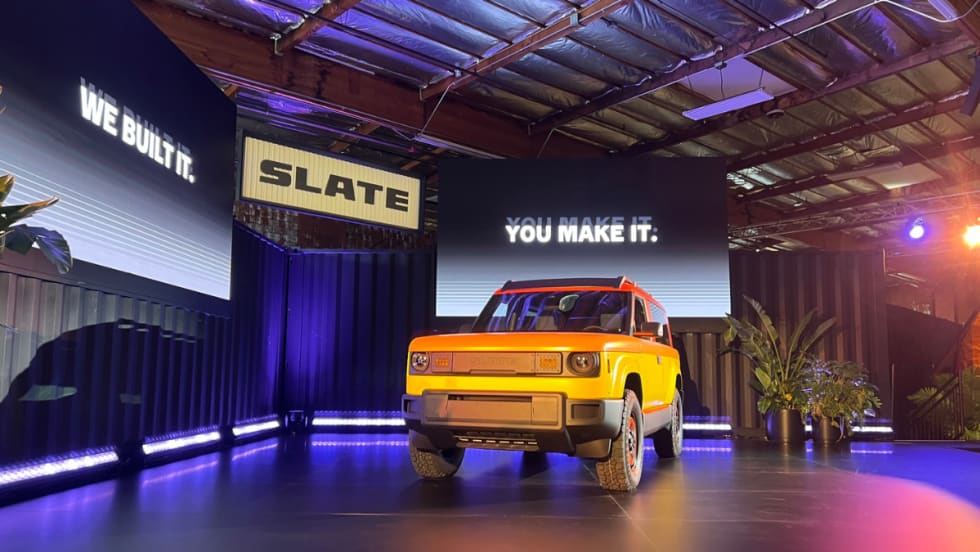
Slate Debuts Colorful, Unique EV Models
A recent media and client event, studded with electric vehicles dressed up on platforms, planted a new position for the manufacturer in the wider EV market. Fleets will find cost-saving advantages.
Read More →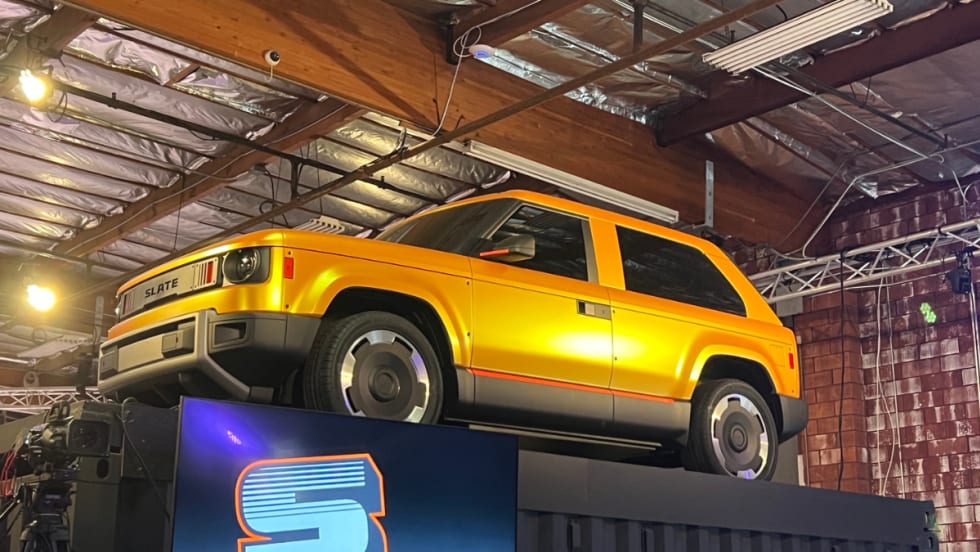
Slate Electric SUV, Pickup Switchable Model Aims For Light-Duty Fleets
Everything about this EV is counterintuitive and understated, making it stand out from the crowd.
Read More →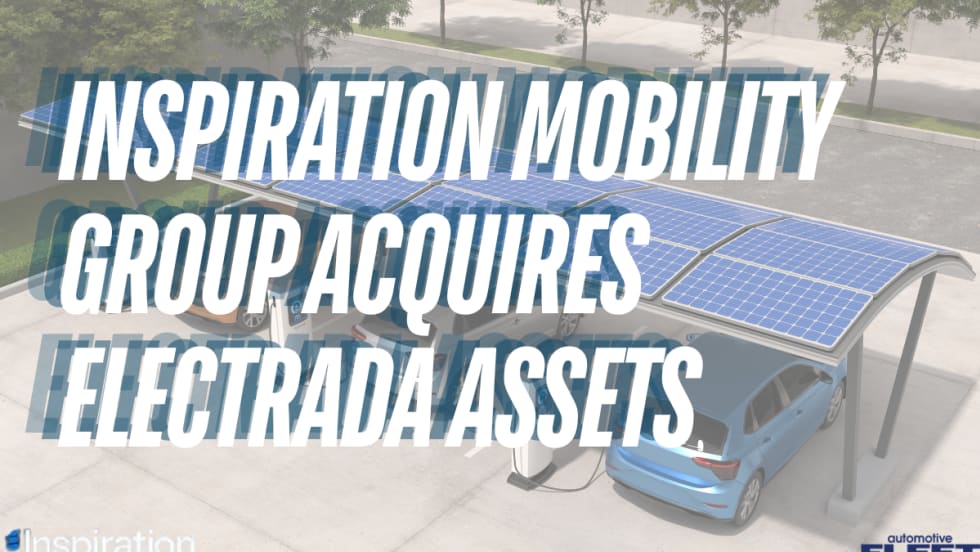
Inspiration Mobility Acquires Key Electrada Assets
Inspiration Mobility Group has acquired select assets of Electrada, adding the fleet electrification provider's team, technology, and charging infrastructure development capabilities to its energy management business.
Read More →
Turning Connected Vehicle Data Into Decisions That Matter
Fleet leaders have more data than ever, but turning that data into clear, actionable decisions remains a challenge. This white paper shows how leading organizations are using connected vehicle data to improve safety, reduce costs, and optimize fleet performance. Learn how to turn insight into action across your fleet.
Read More →
Are You Tracking Your Fleet's True Total Cost of Ownership?
Bobit Business Media surveyed 190 fleet professionals and found that while most fleets are tracking costs, fragmented systems and data gaps are keeping true TCO visibility out of reach. With rising pressure to control spend in an increasingly volatile environment, the gap between what fleets think they know and what the data actually shows is wider than you might expect. See how your peers are managing costs today and where the industry still has room to improve.
Read More →
Hybrids: Electrification Without the Challenges
For fleet managers, fuel is one of the biggest line items in the budget — and it's one hybrids can shrink without changing how your people work. Download the eBook to see the numbers, understand the technology, and get a step-by-step guide to making the switch.
Read More →