




CARB Amends Diesel Engine Rules
SACRAMENTO, CA - In light of the state's struggling economy, the California Air Resources Board on Dec. 17 voted to ease some impending restrictions on diesel engine emissions. However, CARB's amended rules are still the strictest in the U.S. and will cost the trucking and construction industries an estimated $3.8 billion, the Los Angeles Times reported.
SACRAMENTO, CA - In light of the state's struggling economy, the California Air Resources Board on Dec. 17 voted to ease some impending restrictions on diesel engine emissions. However, CARB's amended rules are still the strictest in the U.S. and will cost the trucking and construction industries an estimated $3.8 billion, the Los Angeles Times reported.
"The diesel rules for vehicles cover almost everything that moves on or off the road, from trucks and buses to off-road construction equipment, and over the next 12 years they will prevent 3,900 premature deaths by removing thousands of tons of diesel soot from the air we breathe," said CARB Chairman Mary D. Nichols. "The changes we set in place today will continue those public health benefits while reducing the cost of compliance by more than 60 percent."
The amendments, the board said, complement earlier emission-control measures that aggressively target diesel pollution. With the amended regulations in place, diesel particulate matter emissions are expected to be reduced 50 percent by 2014 and 70 percent by 2020.
[PAGEBREAK]
Statewide On-Road Truck and Bus Regulation:
Over the past year, CARB staff held 20 public workshops throughout the state to solicit stakeholder input and discuss options for revising diesel control measures affecting commercially owned trucks, buses, port trucks, tractor trailers and off-road vehicles, including construction and large-spark ignition equipment (e.g, forklifts).
First approved in December 2008, this regulation is aimed at cleaning up emissions from the nearly 1 million heavy-duty diesel trucks that operate in California.
The approved amendments, CARB said, will help the state meet its federal obligations under the Clean Air Act while also allowing businesses more flexible compliance options. According to CARB, key amendments will:
Reduce overall compliance costs by about 60 percent as California recovers from the recession
Exempt about 150,000 lighter trucks from having to retrofit with particulate filters
Delay initial compliance date for the retrofitting of heavier trucks and allow them to operate another eight years before being required to use a truck that meets 2010 emissions standards
Expand credits for fleet downsizing, adding cleaner vehicles ahead of any regulatory requirements, and for installation of early retrofits.
In addition, CARB voted to require all school buses greater than 14,000 lbs. GVWR to be retrofit with diesel filters by 2014. If no retrofit is available, the buses have until 2018 to be replaced by vehicles with a MY 2010 engine or emissions equivalent.
For more details on the California truck and bus regulation, click here.
Off-Road (e.g., construction equipment) Regulation:
First approved in July 2007, this off-road regulation -- the first of its kind in the nation -- is aimed at reducing diesel emissions from the state's estimated 150,000 off-road vehicles used in construction, mining, airport ground support and other industries. The state's economic downturn, which began after this regulation was adopted, heavily impacted this sector, causing emissions to decline primarily due to fewer pieces of equipment in use, along with reduced activity of the remaining equipment. As amended, CARB said, the regulation will:
Delay implementation for all fleets by four years
Reduce costs by 97 percent in next five years
Expand or extend credits for businesses that comply before their deadline or have downsized
Ease annual requirements to clean up engines (e.g., small fleets can extend phase-out period for oldest equipment over 10 years, from 2019 to 2029).
For more details on the off-road regulation, click here.
Port Truck Regulation:
Approved in December 2007, the port truck (or "drayage") regulation was adopted to modernize and clean up some of the oldest, dirtiest trucks in the fleet -- those that serve the state's busiest ports and rail yards. The regulation has already had an impact by banning pre-1994 trucks from these facilities and requiring diesel particulate filters on others earlier this year. According to CARB, the new amendments will:
Ensure that all trucks serving the ports, including the smaller Class 7 trucks, will have diesel particulate filters by 2014
Expand the regulation to include trucks operating outside port or rail yard properties to prevent non-compliant trucks from receiving cargo from clean trucks in those areas.
For more details on the port truck regulation, click here. Other amendments adopted Dec. 17 affect the Heavy Duty Diesel Greenhouse Gas Reduction Measure and the Large Spark Ignition Regulation. California's diesel emissions control measures were adopted under CARB's Diesel Risk Reduction Plan, which was approved by the board in 2000, two years after diesel exhaust was declared a toxic air contaminant by the state's Scientific Review Panel. The ARB has already passed measures addressing urban buses, garbage trucks, school bus and truck idling, stationary engines, transport refrigeration units, cargo handling equipment at ports and rail yards, ship engines, harbor craft and fuel.
CARB is a department of the California Environmental Protection Agency.
More Green Fleet

EV Charging Use Is Outpacing Infrastructure Growth
ChargePoint’s 2026 Charging Forward Report points to rising charger use, higher-powered charging, commercial vehicle electrification, and energy-management technology. Here’s what fleets should know.
Read More →
Merchants Fleet Reports 290M EV Miles as Fleets Navigate Changing Electrification Market
From millions in operating savings to hundreds of millions of EV miles, Merchants Fleet’s latest report reveals what’s working and what’s changing in fleet electrification.
Read More →
The EV Breakdown Nobody's Talking About: Why Most Electric Vehicle Roadside Calls Aren't Mechanical Failures
Here's why EV breakdowns are widely misunderstood.
Read More →
ChargePoint Now Available in Energy Pass
ChargePoint and additional planned charging network integrations were added to GM's Energy Pass.
Read More →

First Look: Slate Auto's Electric Fleet Pickup
Could an affordable, modular EV pickup make electrification more practical for fleets?
Read More →
Slate Debuts Colorful, Unique EV Models
A recent media and client event, studded with electric vehicles dressed up on platforms, planted a new position for the manufacturer in the wider EV market. Fleets will find cost-saving advantages.
Read More →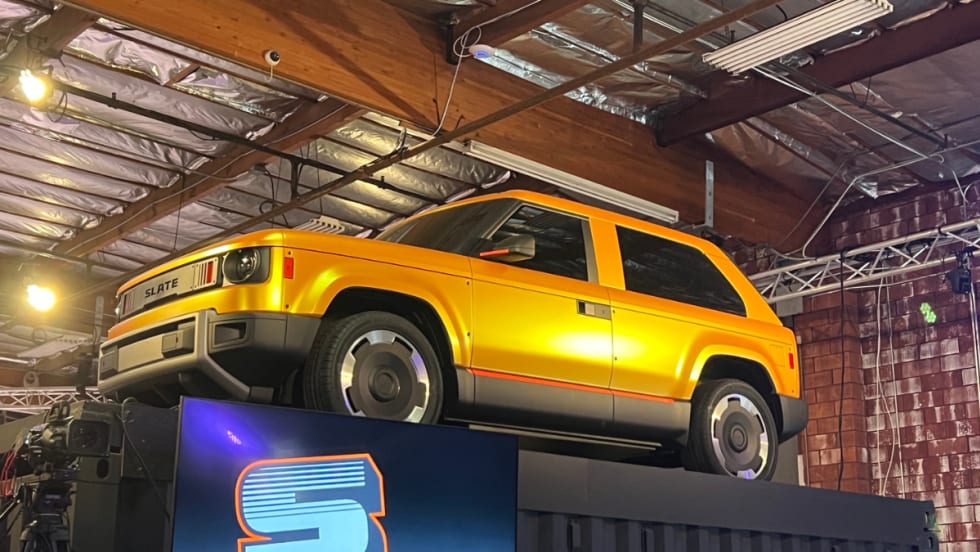
Slate Electric SUV, Pickup Switchable Model Aims For Light-Duty Fleets
Everything about this EV is counterintuitive and understated, making it stand out from the crowd.
Read More →
Inspiration Mobility Acquires Key Electrada Assets
Inspiration Mobility Group has acquired select assets of Electrada, adding the fleet electrification provider's team, technology, and charging infrastructure development capabilities to its energy management business.
Read More →
Turning Connected Vehicle Data Into Decisions That Matter
Fleet leaders have more data than ever, but turning that data into clear, actionable decisions remains a challenge. This white paper shows how leading organizations are using connected vehicle data to improve safety, reduce costs, and optimize fleet performance. Learn how to turn insight into action across your fleet.
Read More →