





Learn More: A California CEO Makes Three Clean Tech Predictions For The 2020s
California Speeds Up Plans For Its 100% ZEV Strategy
The plans are the linchpin of state efforts to realize the economic, climate, and environmental benefits of widespread zero-emission vehicle adoption.
February 1, 2021
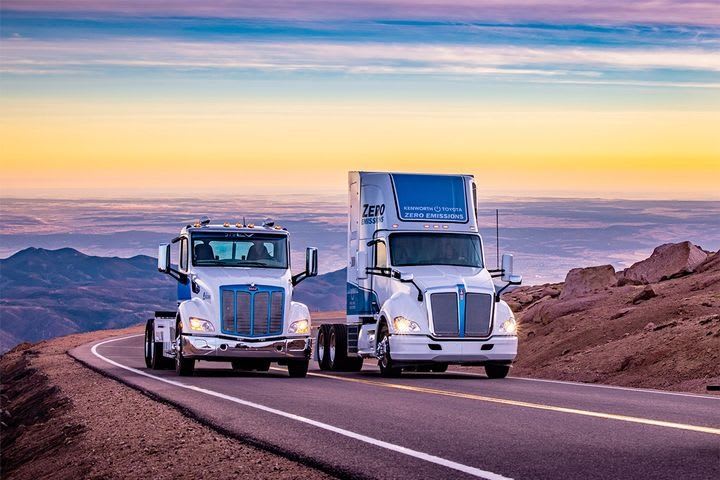
Zero-emission trucks are coming a long way in capability. A pair of Paccar zero-emission trucks — a Kenworth T680 fuel cell electric vehicle and a battery-electric Peterbilt Model 579EV — became the first heav-duty zero-emissions vehicles to drive to the 14,115-foot summit of Pikes Peak in Colorado.
Photo: Paccar
2 min to read
The Governor’s Office of Business and Economic Development (GO-Biz) Feb. 1 announced the publication of the Zero Emission Vehicle Market Development Strategy (ZEV Strategy), according to a state press release.
Developed in partnership with the Air Resources Board (CARB), Energy Commission (CEC), Public Utilities Commission (CPUC), State Transportation Agency (CalSTA), Department of Finance and other key state agencies, local agencies, and private sector stakeholders, the ZEV Strategy is meant to help accelerate the ZEV marketplace to deliver the climate and air quality benefits of zero-emissions to all Californians.
"California is creating an opportunity for cleaner air, better mobility, and strong economic recovery," Gov. Gavin Newsom said in a statement. "ZEVs have the potential to deliver on all of these goals while also helping to lead our economic recovery. That’s because our ZEV strategy is centered around our state’s most important asset: people."
In September 2020, Newsom issued an executive order with the following targets:
100% of in-state sales of new passenger cars and trucks will be zero-emission by 2035.
100% of medium- and heavy-duty vehicles in the state will be zero-emission by 2045 and by 2035 for drayage trucks.
100% of off-road vehicles and equipment will be zero-emission by 2035.
The transportation sector is responsible for nearly half of all of California’s carbon pollution, 80% of smog-forming pollution, and 95% of toxic diesel emissions. This newly announced ZEV Strategy outlines how state agencies and public and private market partners can move together with the scale and speed required to eliminate the need for combustion.
"We have long known why transitioning to ZEVs is a necessity," said Tyson Eckerle, deputy director of GO-Biz’s ZEV Market Development. "With Governor Newsom’s leadership, we have a shared target for when. The ZEV Strategy is about how. The effort is built around the innovative and collaborative spirit of California, and we look forward to continuing to work with our partners, learning and modifying as we go through time."
CARB Chair Liane M. Randolph said, "We can protect public health, meet federal air quality standards and clean up our most polluted communities by shifting the entire transportation sector to zero-emission technologies. The ZEV Strategy provides the roadmap for the crucial role of market development to electrify how we move people and goods."
Topics:Medium-Duty TrucksElectric VehiclesZero Emissionsclimate changeGreen FleetFleet ForwardGlobal Fleet
Originally posted on Charged Fleet
More Green Fleet
Sponsored•October 1, 2026
New Propane Autogas Program Offers Fleet Compensation
Qualified commercial fleets can receive $7,500 per eligible propane autogas vehicle and up to $10,000 for new refueling site prep. Learn how the program works and see whether your fleet qualifies.
Read More →
EV Charging Use Is Outpacing Infrastructure Growth
ChargePoint’s 2026 Charging Forward Report points to rising charger use, higher-powered charging, commercial vehicle electrification, and energy-management technology. Here’s what fleets should know.
Read More →
Merchants Fleet Reports 290M EV Miles as Fleets Navigate Changing Electrification Market
From millions in operating savings to hundreds of millions of EV miles, Merchants Fleet’s latest report reveals what’s working and what’s changing in fleet electrification.
Read More →
The EV Breakdown Nobody's Talking About: Why Most Electric Vehicle Roadside Calls Aren't Mechanical Failures
Here's why EV breakdowns are widely misunderstood.
Read More →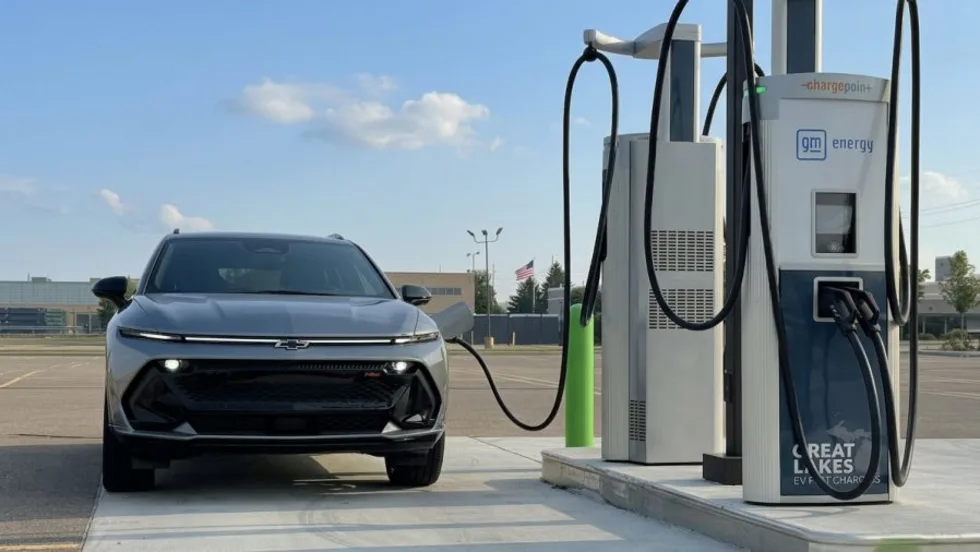
ChargePoint Now Available in Energy Pass
ChargePoint and additional planned charging network integrations were added to GM's Energy Pass.
Read More →

First Look: Slate Auto's Electric Fleet Pickup
Could an affordable, modular EV pickup make electrification more practical for fleets?
Read More →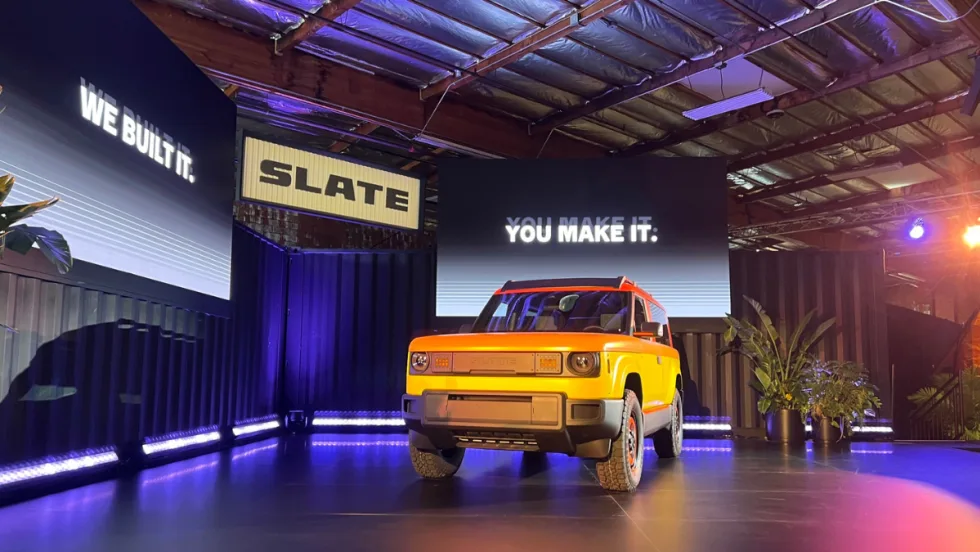
Slate Debuts Colorful, Unique EV Models
A recent media and client event, studded with electric vehicles dressed up on platforms, planted a new position for the manufacturer in the wider EV market. Fleets will find cost-saving advantages.
Read More →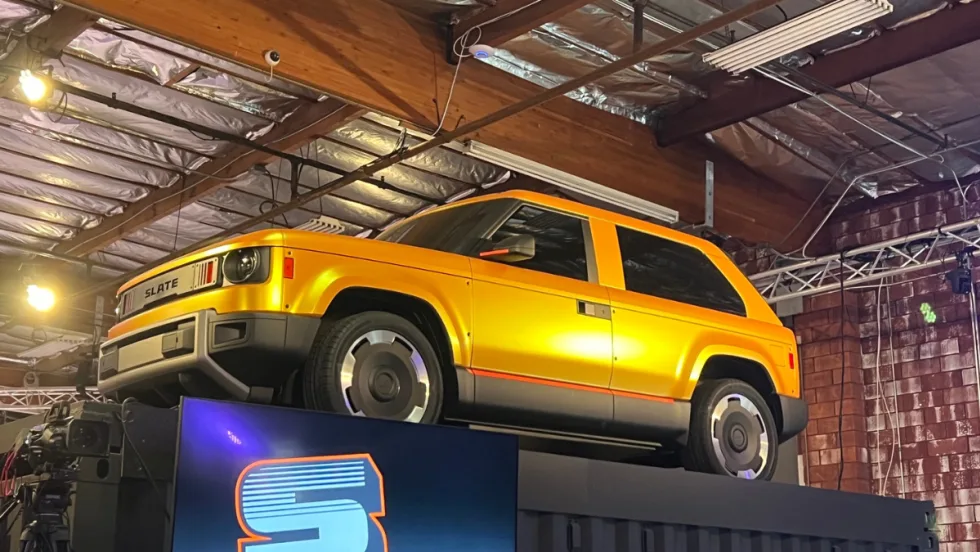
Slate Electric SUV, Pickup Switchable Model Aims For Light-Duty Fleets
Everything about this EV is counterintuitive and understated, making it stand out from the crowd.
Read More →
Inspiration Mobility Acquires Key Electrada Assets
Inspiration Mobility Group has acquired select assets of Electrada, adding the fleet electrification provider's team, technology, and charging infrastructure development capabilities to its energy management business.
Read More →