




California May Change Direction on Zero-Emission Vehicles
SACRAMENTO, CA – Vehicles that run on batteries or hydrogen could take even longer to show up in America’s showrooms under changes being considered by the state Air Resources Board.
SACRAMENTO, CA – Vehicles that run on batteries or hydrogen could take even longer to show up in America’s showrooms under changes being considered by the state Air Resources Board. California air regulators will soon vote on a proposal that would reduce the number of zero-emission vehicles automakers must produce in California and 10 other states by 2014, according to the Associated Press.
The proposed reduction has drawn criticism from environmental and health advocates, California’s top air regulator, former Secretary of State George Shultz, and even a former director of the CIA. They question whether the state can afford to relax the rules on automakers in the era of global warming.
At the same time, the largest automakers said they need the California Air Resources Board to give them more time to lower the cost of battery-powered or fuel-cell vehicles. They also are frustrated that energy companies and the state and federal governments have failed to build the needed fueling stations to support hydrogen vehicles.
California initially adopted its zero-emission vehicle mandate in 1990. It required that 10 percent of new cars sold in the state by the country’s six major manufacturers be nonpolluting, zero-emission vehicles in 2003. Ten other states — Connecticut, Maine, Massachusetts, New York, New Jersey, Oregon, Pennsylvania, Rhode Island, Vermont, and Washington — adopted the same mandate.
In the years since, the rules have been modified four times. The most significant revision was in 2003, when regulators feared that battery-powered cars could not be mass-produced and as they faced a lawsuit from the auto industry. The Air Resources Board ruled that hydrogen cars, hybrids, and cleaner-burning gasoline vehicles could meet its zero-emission mandate instead.
As a result, the program has not yet produced the commercial introduction of zero-emission vehicles by the large automakers. The 2003 rules set a goal of putting 25,000 of those cars on the road by 2014, according to the Associated Press.
The recommendation before the Air Resources Board would further reduce the number of hydrogen fuel cell or battery-powered vehicles automakers are required to put on the road in California between 2012 and 2014. Instead of producing 25,000 vehicles, General Motors Corp., Toyota Motor Corp., Ford Motor Co., Honda Motor Co., Chrysler LLC and Nissan Motor Co. would be obligated to build 2,500 for use in California. That number could be raised when the board meets.
The air board also will be asked to decide whether automakers should be given more time to deploy battery-powered and hydrogen cars in the 10 states that have adopted California’s rules.
The current mandate requires automakers to put zero-emission vehicles in those states beginning in 2011, but the proposal from the air board’s staff recommends extending the deadline to 2014 for battery-powered cars and 2017 for hydrogen cars.
To offset the lower mandate on zero-emission vehicles, the air board’s staff proposes that automakers instead put 75,000 gas-electric hybrids on the road between 2012 and 2014.
It also requires automakers to continue making cleaner gasoline vehicles, such as the Ford Focus, Nissan Altima, and Honda Accord, as well as more hybrids such as the Toyota Prius and Ford Escape.
More Green Fleet

Merchants Fleet Reports 290M EV Miles as Fleets Navigate Changing Electrification Market
From millions in operating savings to hundreds of millions of EV miles, Merchants Fleet’s latest report reveals what’s working and what’s changing in fleet electrification.
Read More →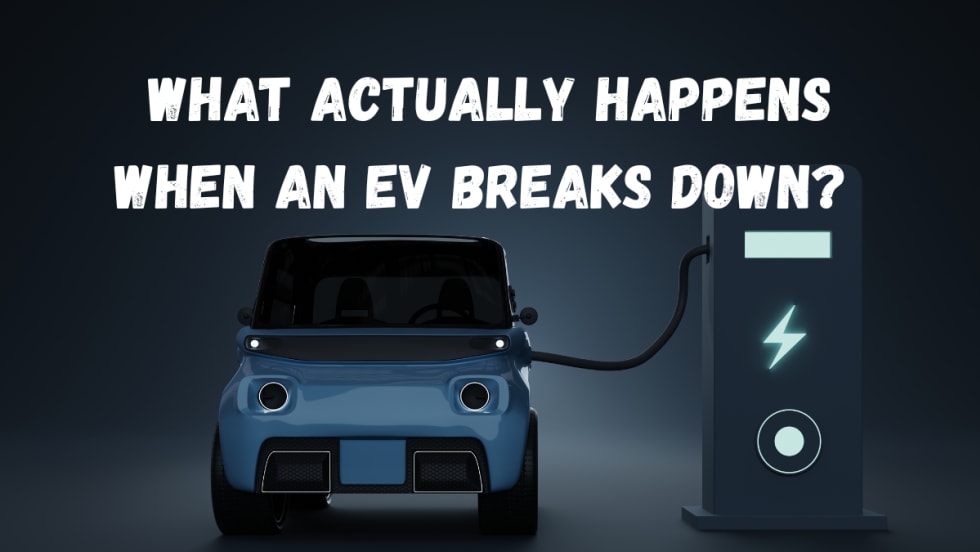
The EV Breakdown Nobody's Talking About: Why Most Electric Vehicle Roadside Calls Aren't Mechanical Failures
Here's why EV breakdowns are widely misunderstood.
Read More →
ChargePoint Now Available in Energy Pass
ChargePoint and additional planned charging network integrations were added to GM's Energy Pass.
Read More →

First Look: Slate Auto's Electric Fleet Pickup
Could an affordable, modular EV pickup make electrification more practical for fleets?
Read More →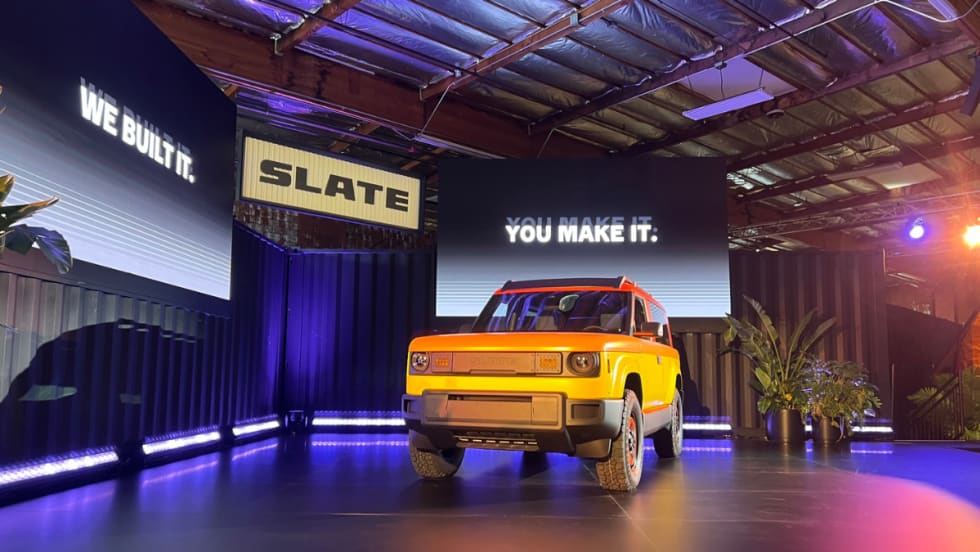
Slate Debuts Colorful, Unique EV Models
A recent media and client event, studded with electric vehicles dressed up on platforms, planted a new position for the manufacturer in the wider EV market. Fleets will find cost-saving advantages.
Read More →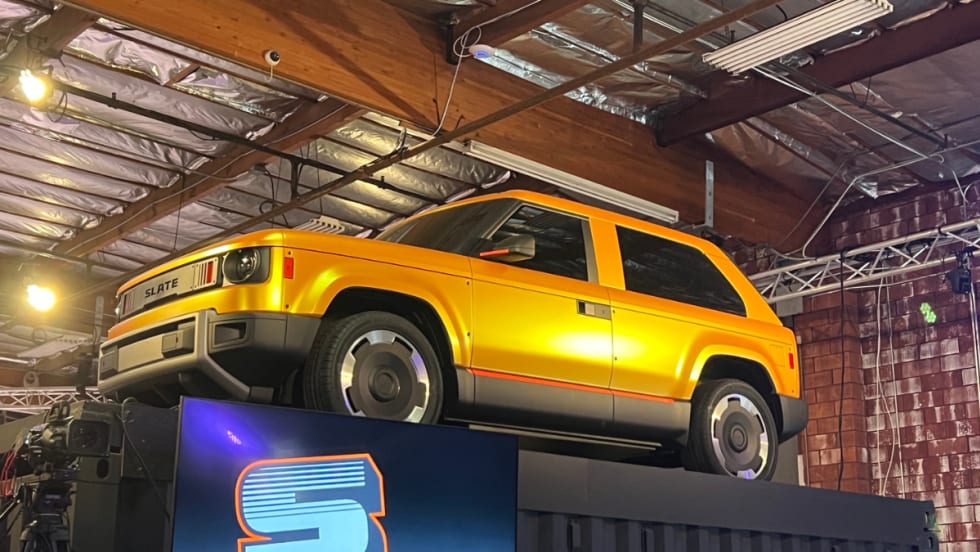
Slate Electric SUV, Pickup Switchable Model Aims For Light-Duty Fleets
Everything about this EV is counterintuitive and understated, making it stand out from the crowd.
Read More →
Inspiration Mobility Acquires Key Electrada Assets
Inspiration Mobility Group has acquired select assets of Electrada, adding the fleet electrification provider's team, technology, and charging infrastructure development capabilities to its energy management business.
Read More →
Turning Connected Vehicle Data Into Decisions That Matter
Fleet leaders have more data than ever, but turning that data into clear, actionable decisions remains a challenge. This white paper shows how leading organizations are using connected vehicle data to improve safety, reduce costs, and optimize fleet performance. Learn how to turn insight into action across your fleet.
Read More →
Are You Tracking Your Fleet's True Total Cost of Ownership?
Bobit Business Media surveyed 190 fleet professionals and found that while most fleets are tracking costs, fragmented systems and data gaps are keeping true TCO visibility out of reach. With rising pressure to control spend in an increasingly volatile environment, the gap between what fleets think they know and what the data actually shows is wider than you might expect. See how your peers are managing costs today and where the industry still has room to improve.
Read More →