




California May Adopt Toughest Cell Phone Laws in Nation
SACRAMENTO - The cost of a ticket for texting or using a hand-held phone in California would be among the toughest in the nation if a bill introduced in the state senate becomes law.
SACRAMENTO - The cost of a ticket for texting or using a hand-held phone in California would be among the toughest in the nation if a bill introduced in the state senate becomes law.
The bill introduced by state Sen. Joe Simitian (D-Palo Alto) calls for raising the base fine for texting from $20 to $100 and for holding a phone from $20 to $50. But fees attached to the cost of the base fine can run more than four times the amount and turn a $100 fine into a $445 ticket for a first-time offender. The previous fine was approximately $145. In addition, the ticket would also be a moving violation.
For those who have multiple moving offenses and haven't gone to traffic school to clear their record, the amount could approach $1,000. Simitian has led the charge for tougher laws on these forms of distracted driving for nearly a decade.
The rules would also apply to bicyclists, who were not covered by the hands-free law that went into effect July 1, 2008.
Nineteen states now ban text messaging by drivers, while California is one of six with a hands-free law. Since the hands-free law went into effect nearly 20 months ago, the California Highway Patrol has written nearly 200,000 tickets.
The impact of the hands-free law is debatable, however. Studies have shown that the act of talking, not of holding the phone, causes the greatest danger.
But Simitian is convinced the laws are helping, citing data that shows a 20-percent decline in fatalities and collisions in California in the first six months after the handheld ban took effect, compared to the same six-month period over the previous several years.
More Safety

Nexar-Nauto Merger Aims to Give Fleets Better Safety Intelligence Through Larger Driving Dataset
Stefan Heck tells Automotive Fleet that combining more than 10 billion miles of driving history with Nexar's AI models will give fleets deeper insights into driver risk and roadway conditions than either company could provide independently.
Read More →
Don't Wait for a Crisis: 5 Ways to Build Mental Health Into Your Fleet Safety Program
For Suicide Prevention Month, fleet and safety leaders have an opportunity to put mental health where it belongs: at the center of workplace safety.
Read More →
How Camera Data Can Strengthen a Fleet’s Insurance Renewal
Insights from a commercial insurance carrier and a broker show how fleets can turn video telematic data, driver coaching, and improved claims results into a stronger case at insurance renewal.
Read More →
The Safest Fleets Aren’t the Ones with the Most Technology
You’ve made the telematics investment. Here’s how to capture the other half of its value and build the safest fleet on the road.
Read More →
Hidden in Plain Sight: Fleet Compliance Risks
Fleet compliance isn't just about having policies — it's about consistently enforcing them. This practical guide reveals six hidden compliance risks common in public sector and shared fleet operations and outlines proven strategies to improve visibility, accountability, and audit readiness
Read More →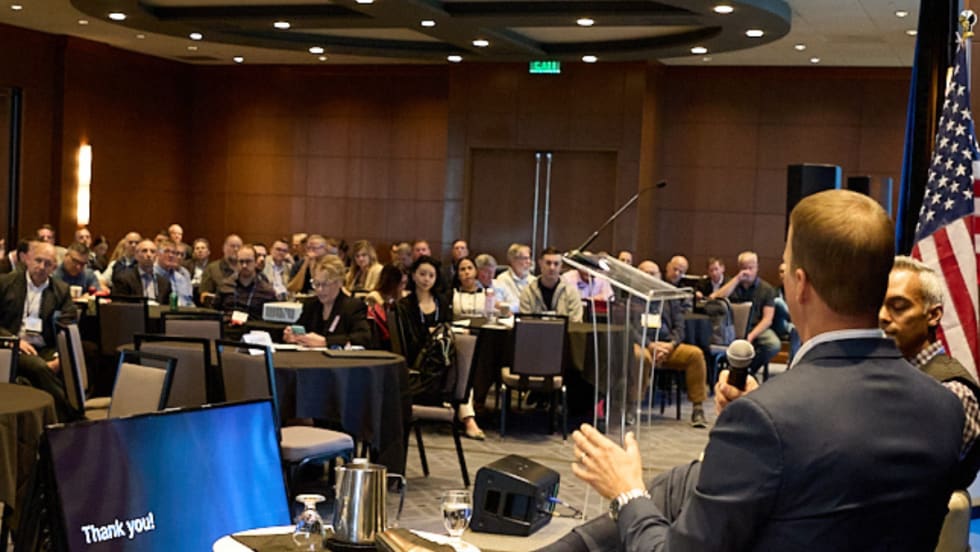
NETS Sets 2026 Fleet Safety Benchmark Conference for Indianapolis
The Sept. 15–17 program will feature fleet benchmarking data, case studies, emerging technologies, and implementation strategies while running alongside the NSC Safety Congress & Expo.
Read More →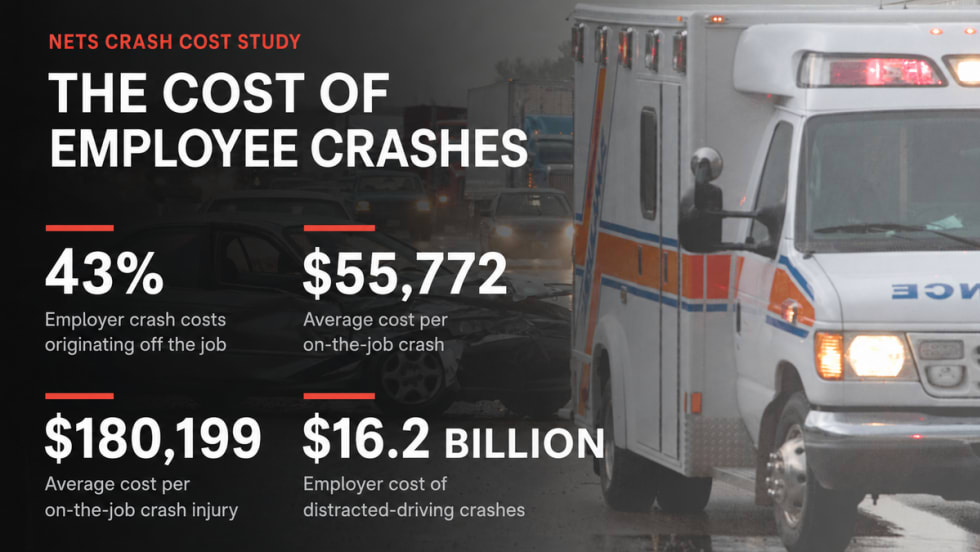
Off-the-Job Crashes Account for 43% of Employers’ $61.7 Billion Crash Burden
NETS quantifies costs dispersed across fleet, risk, HR, and other departments while providing new per-crash benchmarks for employers.
Read More →
Ram Recalls More Than 1.27 Million 1500 Pickups for Seat Belt Anchor Issue
The recall affects certain 2019-2026 Ram 1500 pickups that may have improperly attached second-row seat belt buckle anchors.
Read More →
How Better Visibility Cut Speeding Violations by 48%
Fleet leaders don't need more data, they need clearer visibility into what the data is saying. This case study explores how one utility replaced speeding-event counts with a single metric — miles driven in violation — to strengthen safety and significantly reduce speeding violations.
Read More →
Operation Safe Driver Week: Why the Industry's Oldest Safety Campaign Still Matters to Fleets
A look at how a 2007 enforcement initiative became one of the most consequential weeks on the fleet safety calendar, and what it means for your drivers in 2026.
Read More →