





Learn More: What to Consider When Planning to Deploy an EV Utility Fleet
California Leaders Launch Coalition to Accelerate Adoption of ZEVs
The Accelerate to Zero Emissions coalition – consisting of 13 entities, including the region’s largest cities – aims to make it easier for local residents and businesses to transition to electric vehicles (EV), plug-in hybrids, and hydrogen fuel cell vehicles.
August 5, 2021
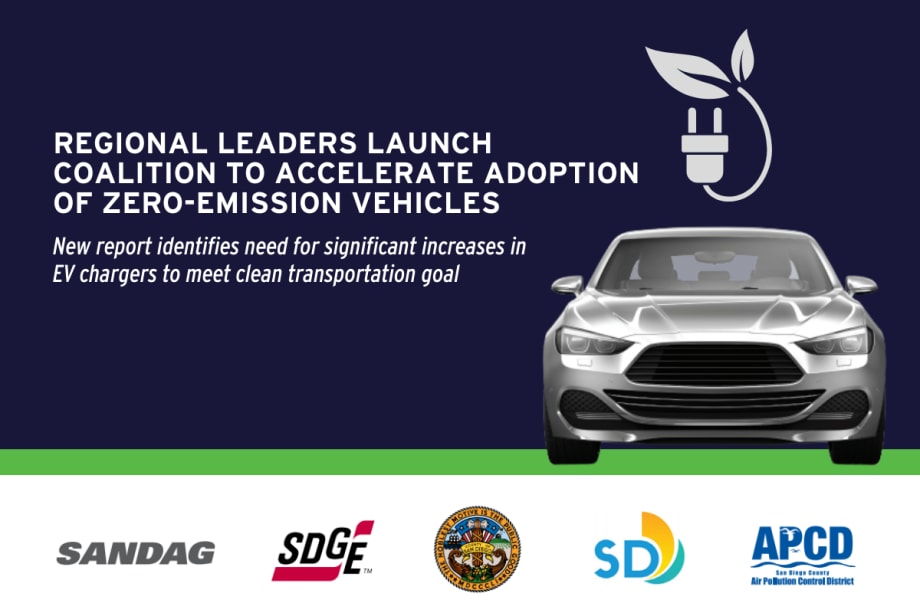
The Accelerate to Zero Emissions coalition – consisting of 13 entities, including the region’s largest cities – aims to make it easier for local residents and businesses to transition to electric vehicles (EV), plug-in hybrids, and hydrogen fuel cell vehicles.
Photo: SG&E
3 min to read
On July 29, a diverse group of local California leaders representing public, private, and nonprofit organizations announced the launch of Accelerate to Zero Emissions (A2Z) – a regional collaborative dedicated to curbing air pollution and climate change through clean transportation. The coalition – consisting of 13 entities, including the region’s largest cities – aims to make it easier for local residents and businesses to transition to electric vehicles (EV), plug-in hybrids, and hydrogen fuel cell vehicles.
At a press conference at the San Diego County Administration Center, A2Z leaders released the results of a newly completed gap analysis, which identifies barriers to widespread adoption of zero-emission vehicles (ZEV), particularly in underserved and marginalized communities. The report also quantifies for the first time how many EV chargers and hydrogen fueling stations are needed for the region to meet its share of California’s clean transportation goal – 8 million ZEVs on the road by 2030. The San Diego region’s share of that goal is 771,000. As of 2020, the region had about 69,000 ZEVs on the road. To keep pace with the region’s targeted level of ZEV growth, about 155,000 EV chargers and a few dozen hydrogen fueling stations are needed. As of 2020, there were 6,700 chargers in the region and one hydrogen fueling station.
“We have a long way to go to clean up the transportation sector – the largest source of greenhouse gas emissions in California and in our region and a very significant source of air pollution,” said Estela de Llanos, SDG&E’s vice president of energy procurement and sustainability. “The gaps in our fueling infrastructure for zero-emission vehicles are so large, no single entity can solve the problem on its own. Regional collaboration is critical.”
As part of their climate action plan or sustainability strategy, many local jurisdictions, agencies, and companies have already adopted clean transportation goals, policies, and programs on their own. SDG&E, which has pledged to reach net zero GHG emissions by 2045, has a diverse portfolio of programs to expand the regional EV charging infrastructure and has announced plans to pilot hydrogen fleet vehicles. Some local cities and agencies have recently upgraded their own fleets with electric or hybrid vehicles. Some have adopted zoning ordinances for EV parking or streamlined the permitting process for installing chargers. The gap analysis found multiple overlapping clean transportation efforts and recommends coordinating them to make a bigger impact.
Aside from SDG&E and the City of San Diego, other core members of A2Z are the County of San Diego, the county Air Pollution Control District, and San Diego Association of Governments (SANDAG). Other coalition members include the cities of Carlsbad, Chula Vista, Escondido, Santee, Cleantech San Diego, Grid Alternatives, MAAC, and the University of San Diego’s Energy Policy Initiatives Center. A2Z’s mission is not just to get the San Diego region on a faster path to clean transportation. Equally important to the coalition is doing it in an equitable manner – ensuring residents of all income levels have access to zero-emission vehicles and share in their benefits. A2Z started coming together last summer amid the height of the pandemic.
Originally posted on Work Truck Online
More Green Fleet
Sponsored•October 1, 2026
New Propane Autogas Program Offers Fleet Compensation
Qualified commercial fleets can receive $7,500 per eligible propane autogas vehicle and up to $10,000 for new refueling site prep. Learn how the program works and see whether your fleet qualifies.
Read More →
EV Charging Use Is Outpacing Infrastructure Growth
ChargePoint’s 2026 Charging Forward Report points to rising charger use, higher-powered charging, commercial vehicle electrification, and energy-management technology. Here’s what fleets should know.
Read More →
Merchants Fleet Reports 290M EV Miles as Fleets Navigate Changing Electrification Market
From millions in operating savings to hundreds of millions of EV miles, Merchants Fleet’s latest report reveals what’s working and what’s changing in fleet electrification.
Read More →
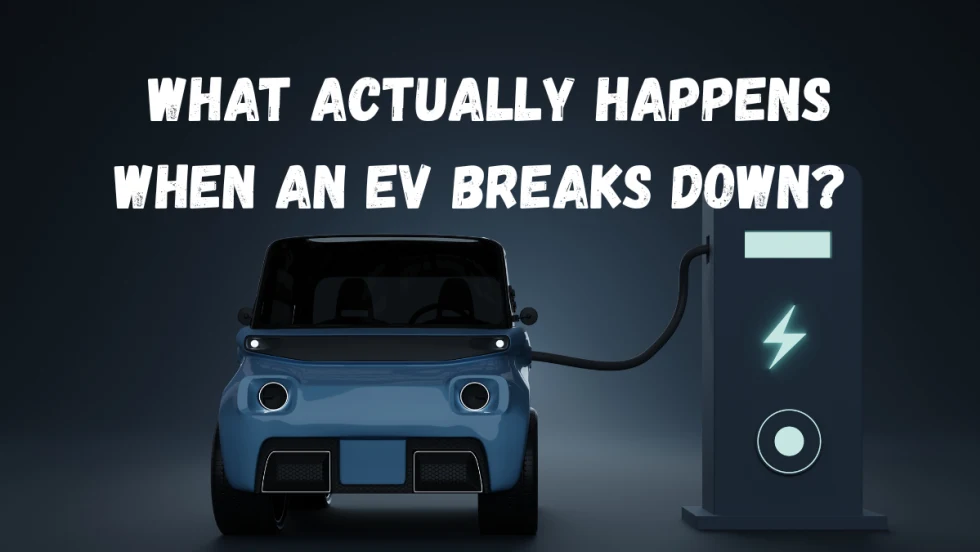
The EV Breakdown Nobody's Talking About: Why Most Electric Vehicle Roadside Calls Aren't Mechanical Failures
Here's why EV breakdowns are widely misunderstood.
Read More →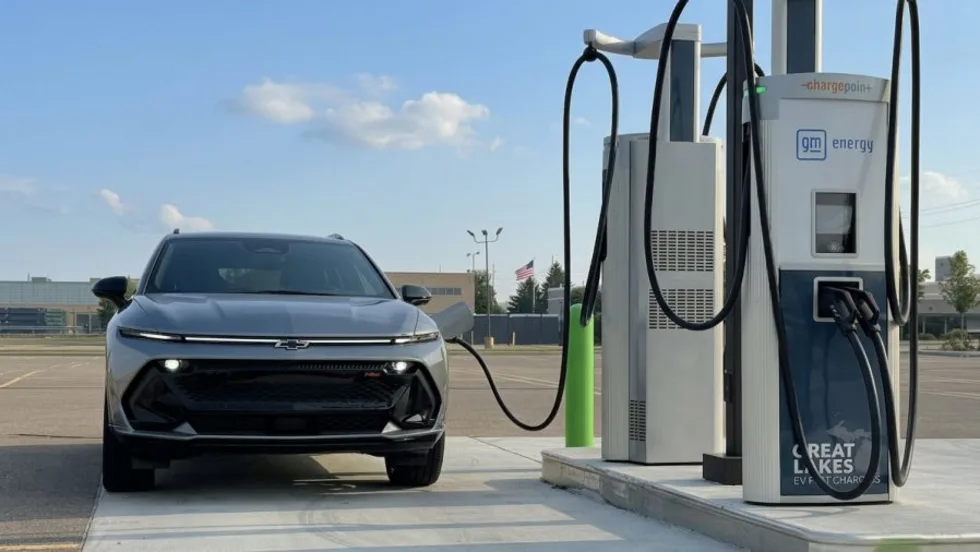
ChargePoint Now Available in Energy Pass
ChargePoint and additional planned charging network integrations were added to GM's Energy Pass.
Read More →

First Look: Slate Auto's Electric Fleet Pickup
Could an affordable, modular EV pickup make electrification more practical for fleets?
Read More →
Slate Debuts Colorful, Unique EV Models
A recent media and client event, studded with electric vehicles dressed up on platforms, planted a new position for the manufacturer in the wider EV market. Fleets will find cost-saving advantages.
Read More →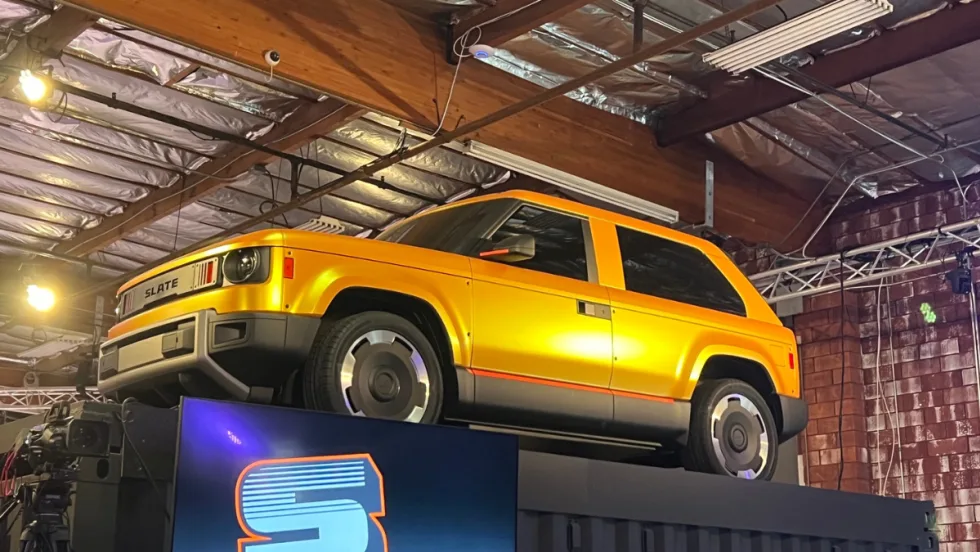
Slate Electric SUV, Pickup Switchable Model Aims For Light-Duty Fleets
Everything about this EV is counterintuitive and understated, making it stand out from the crowd.
Read More →
Inspiration Mobility Acquires Key Electrada Assets
Inspiration Mobility Group has acquired select assets of Electrada, adding the fleet electrification provider's team, technology, and charging infrastructure development capabilities to its energy management business.
Read More →