





Natural Fit: What to Know Before You Choose an Alt-Fuel Vehicle
California Fleets Achieve Carbon Negativity
According to data from the California Air Resources Board, 98% of all on-road fuel used in natural gas vehicles in California in 2021, including medium-duty, was renewable natural gas.
October 11, 2022
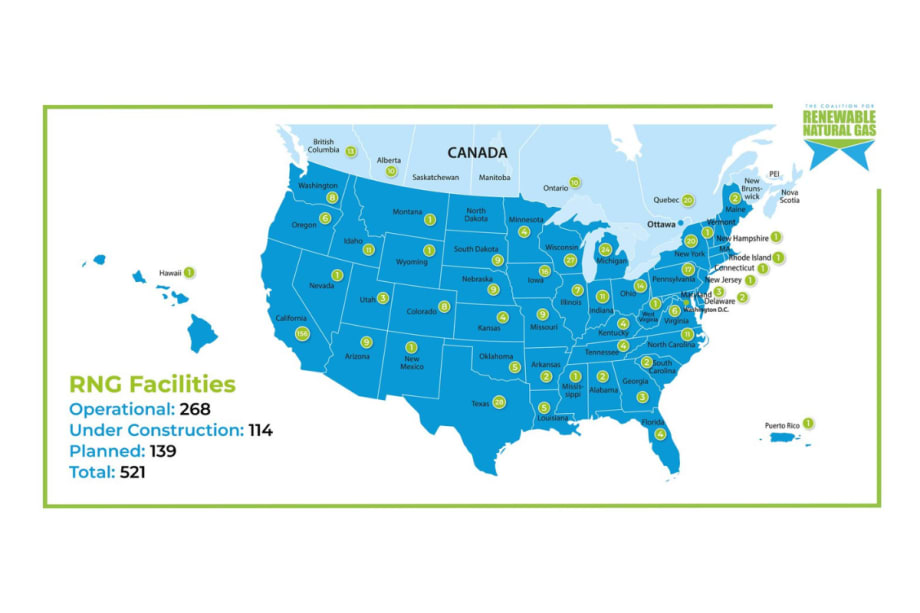
Ultra-low NOx medium- and heavy-duty RNG-fueled trucks and buses perform at levels that are 95% below the federal nitrogen oxide (NOx) standard.
Photo: RNG Coalition
2 min to read
Natural Gas Vehicles for America (NGVAmerica) and the Coalition for Renewable Natural Gas (RNG Coalition) announced that California fleets fueled with bio-CNG achieved carbon negativity last calendar year for the second straight year.
According to data from the California Air Resources Board, 98% of all on-road fuel used in natural gas vehicles in California in 2021 was renewable natural gas (RNG). The annual average carbon intensity score of bio-CNG in that mix was -44.4 gCO2e/MJ, according to the data.
Data from Q1 2022 puts the carbon intensity average of bio-CNG at -61.4 gCO2e/MJ, according to NGVAmerica.
“For the second straight year, California fleets fueled with bio-CNG achieved carbon-negativity in their 2021 transportation operations,” said Dan Gage, NGVAmerica president. “And since 98% of natural gas dispensed in California for use as a motor fuel is from renewable sources, California natural gas vehicle fleets consistently achieve a zero-carbon footprint and virtually eliminate criteria pollutant emissions that contribute to asthma, heart disease, and poor air quality.”
In addition to their negative greenhouse gas emissions, ultra-low NOx medium- and heavy-duty RNG-fueled trucks and buses perform at levels that are 95% below the federal nitrogen oxide (NOx) standard and 98% below the federal particulate matter (PM 2.5) standard.
"RNG facilities address methane emissions from society’s inevitable waste streams, mitigate the environmental impacts of those emissions and convert captured methane into domestic, renewable, clean fuel and energy,” said Johannes Escudero, founder/CEO of RNG Coalition. “These numbers highlight the critical role that RNG is playing in decarbonizing the medium- and heavy-duty transportation sectors today.”
According to NGVAmerica, RNG used as a transportation fuel in California grew 163% over the last five years. NGVAmerica and RNG Coalition report that in 2021 a total of 178.37 million gallons (diesel gallon equivalents) of natural gas were used as motor fuel in the state. Of that, 174.28 million DGE were from renewable sources.
The group also said that data from CARB’s Low Carbon Fuel Standard program confirmed that bio-CNG remains the only net-zero carbon motor fuel in California’s alternative motor fuel portfolio, which includes ethanol, biodiesel, renewable diesel, bio-CNG, bio-LNG, electricity, alternative jet fuel, and hydrogen.
Originally posted on Work Truck Online
More Green Fleet
Sponsored•October 1, 2026
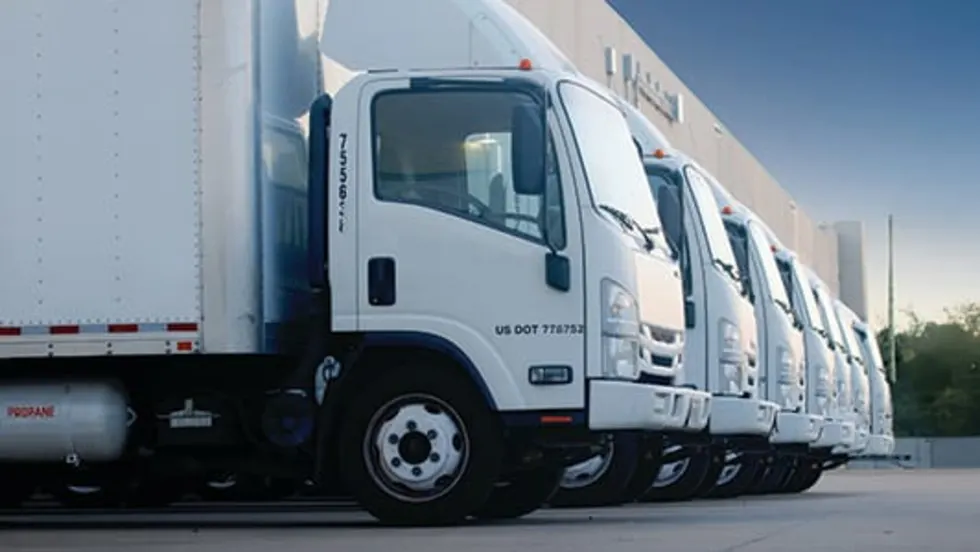
New Propane Autogas Program Offers Fleet Compensation
Qualified commercial fleets can receive $7,500 per eligible propane autogas vehicle and up to $10,000 for new refueling site prep. Learn how the program works and see whether your fleet qualifies.
Read More →
EV Charging Use Is Outpacing Infrastructure Growth
ChargePoint’s 2026 Charging Forward Report points to rising charger use, higher-powered charging, commercial vehicle electrification, and energy-management technology. Here’s what fleets should know.
Read More →
Merchants Fleet Reports 290M EV Miles as Fleets Navigate Changing Electrification Market
From millions in operating savings to hundreds of millions of EV miles, Merchants Fleet’s latest report reveals what’s working and what’s changing in fleet electrification.
Read More →

The EV Breakdown Nobody's Talking About: Why Most Electric Vehicle Roadside Calls Aren't Mechanical Failures
Here's why EV breakdowns are widely misunderstood.
Read More →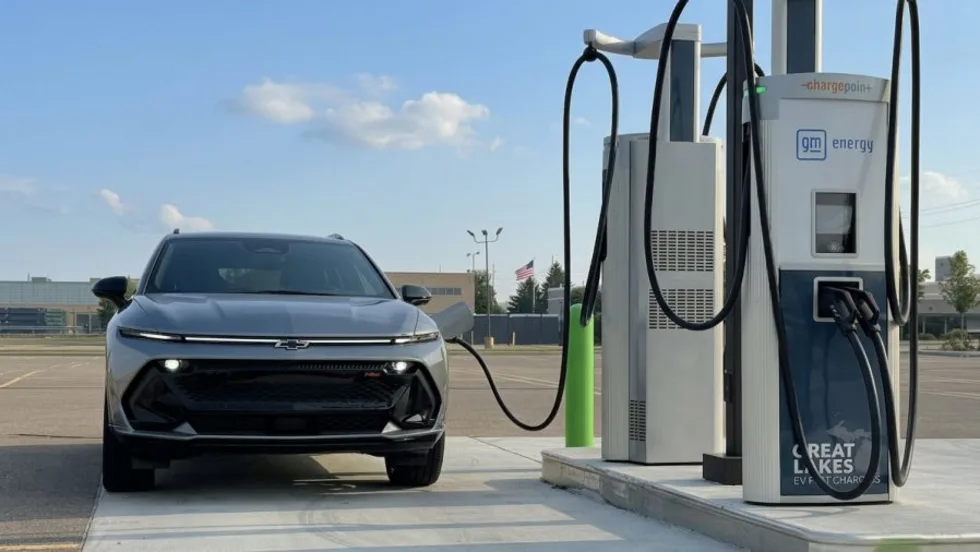
ChargePoint Now Available in Energy Pass
ChargePoint and additional planned charging network integrations were added to GM's Energy Pass.
Read More →

First Look: Slate Auto's Electric Fleet Pickup
Could an affordable, modular EV pickup make electrification more practical for fleets?
Read More →
Slate Debuts Colorful, Unique EV Models
A recent media and client event, studded with electric vehicles dressed up on platforms, planted a new position for the manufacturer in the wider EV market. Fleets will find cost-saving advantages.
Read More →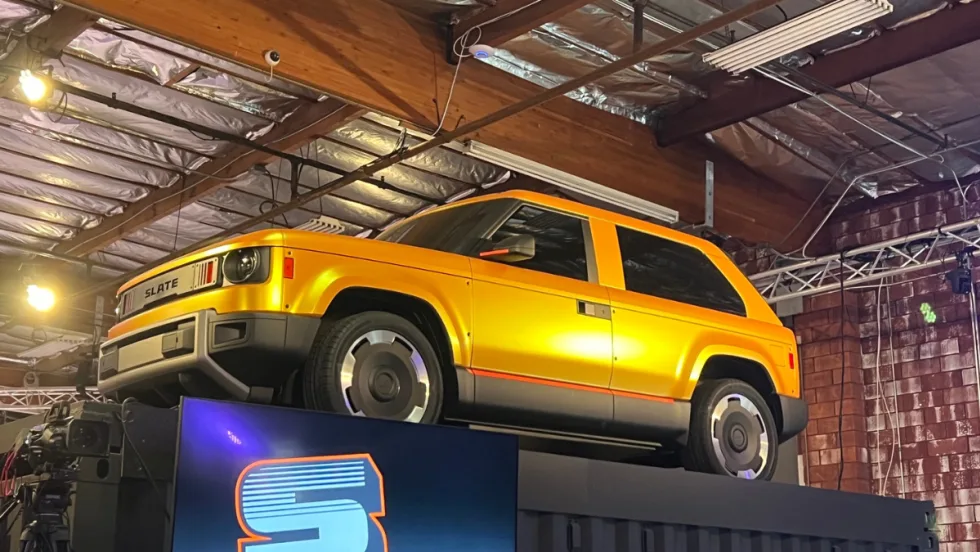
Slate Electric SUV, Pickup Switchable Model Aims For Light-Duty Fleets
Everything about this EV is counterintuitive and understated, making it stand out from the crowd.
Read More →
Inspiration Mobility Acquires Key Electrada Assets
Inspiration Mobility Group has acquired select assets of Electrada, adding the fleet electrification provider's team, technology, and charging infrastructure development capabilities to its energy management business.
Read More →