




Calif. Approves 'Pay-as-You-Drive' Insurance
SACRAMENTO, CA - The California Department of Insurance has given the green light to two insurance companies -- State Farm and the Automobile Club of Southern California -- seeking state approval to begin offering "pay-as-you-drive" auto policies. The policies offer lower rates for coverage of motorists who drive fewer miles.
SACRAMENTO, CA - The California Department of Insurance has given the green light to two insurance companies -- State Farm and the Automobile Club of Southern California -- seeking state approval to begin offering "pay-as-you-drive" auto policies. The policies offer lower rates for coverage of motorists who drive fewer miles.
"The voluntary pay-as-you-drive initiative is an innovative program that will allow insurers to offer plans based on more accurate mileage, so that people who choose to drive less will pay less for auto insurance," said California Insurance Commissioner Steve Poizner. "The regulations I finalized last year allow insurers to offer this innovative option without compromising consumer privacy. I'm pleased to approve plans for Automobile Club of Southern California and State Farm to offer this kind of coverage to policyholders. I hope other insurers follow suit."
Beginning on February 28, 2011, State Farm customers will have an option to move into the new verified mileage plan, which State Farm has labeled its Drive Safe and Save program. Under the plan, State Farm will offer an initial 5 percent discount for the first policy term to insured drivers who agree to self-report their odometer readings at the beginning and end of each policy period or who agree to allow State Farm to access their mileage data automatically when the insured driver's vehicle has an active On Star system.
The mileage amounts used in determining the applicable rates for each subsequent policy term will be based upon the actual verified mileage from the previous term. Those insured parties who choose these more accurate mileage reporting methods and drive less than 19,000 miles will have lower premiums than those who simply estimate their miles for the policy term based upon current loss projections. In addition, State Farm has created 39 new and narrower 500-mile pricing intervals for its Drive Safe and Save program that will allow those who drive fewer miles to enjoy even greater savings.
Those who purchase this policy will then be rated based upon the actual annual miles driven. Under the program, consumers who reduce their driving habits by as little as 500 miles per year will see a reduction in their rates.
Beginning on February 1, 2011, the Automobile Club of Southern California's Pay-Drive program will be made available to insured drivers who agree to report their odometer readings at the beginning and end of each policy period or who agree to plug in a small telematics device into their automobile to automatically record the number of miles driven. The rates for those who verify their actual miles driven via these methods will now be, depending on the number of miles driven, from 1 percent to 10.5 percent lower than those policy holders in the same "mileage band" who simply estimate their miles for the policy term.
In addition to offering personal auto policies, both State Farm and the Automobile Club of Southern California provide auto policies for small businesses.
More Safety
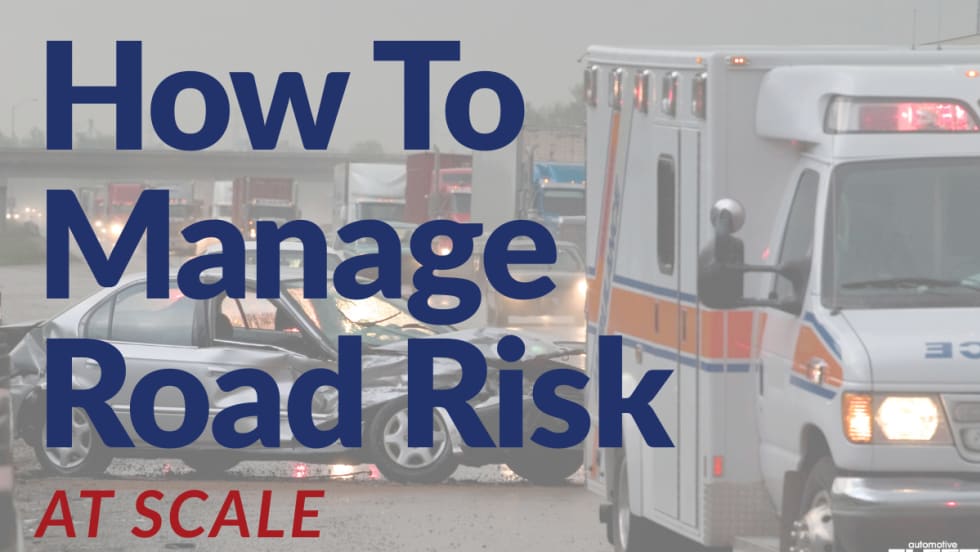
Managing Road Risk at Scale: Why Fleet Safety Needs a Data-Driven Framework
Insights from the FIA Road and Driver Safety Indexes reveal how to manage road risk on a larger scale.
Read More →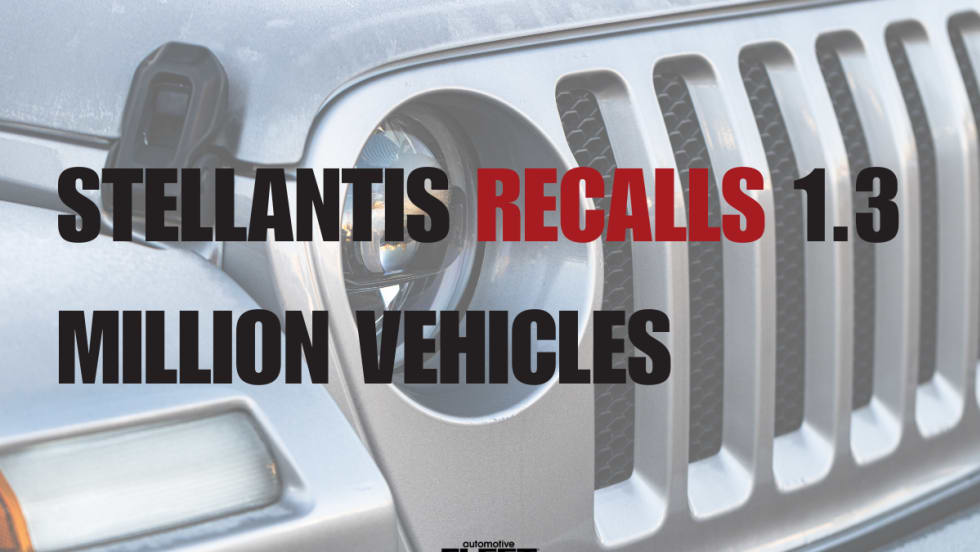
Stellantis Recalls 1.3 Million Jeep Vehicles Worldwide Over Fire Risk
Stellantis is recalling more than 1.3 million Jeep Wrangler and Gladiator models worldwide over a fire risk linked to power steering pump wiring.
Read More →
Coaching Is Not Training, Even When AI Is Doing It
AI-powered safety platforms can detect risky behaviors and deliver immediate feedback. But effective driver development still requires a foundation of training followed by coaching that reinforces those skills.
Read More →

How Emotions Behind the Wheel Can Affect Fleet Safety
During National Safety Month, fleets are encouraged to look beyond distracted driving and recognize how stress, fatigue, and emotional well-being influence driver performance and crash risk.
Read More →
Nominations Open for 2026 Fleet Safety Award
Nominations have officially opened for the 2026 Fleet Safety Award Winner.
Read More →
Turning Connected Vehicle Data Into Decisions That Matter
Fleet leaders have more data than ever, but turning that data into clear, actionable decisions remains a challenge. This white paper shows how leading organizations are using connected vehicle data to improve safety, reduce costs, and optimize fleet performance. Learn how to turn insight into action across your fleet.
Read More →
Cameras, Safety and Insurance: From Reactive Claims to Real-time Prevention
Commercial auto remains one of the most challenging and costly lines of coverage for fleet operators and insurers alike. Learn more about how to effectively address these issues from Onur Aksan, Enterprise Business Development Executive, Geotab.
Read More →
NAFA Fleet Safety Symposium to Collocate With 2026 Fleet Forward Conference
The daylong certificate program will precede the Fleet Forward Conference at the Gaylord National Harbor in Maryland.
Read More →
The Distractions You Can’t Turn Off: What Drivers Face Outside the Vehicle
Fleet drivers face constant visual, cognitive, and environmental interruptions the moment they hit the road. From roadside chaos to mental fatigue and digital overload, today’s biggest driving risks often come from outside the vehicle itself.
Read More →
FLASH Weather AI Launches First Deep-Learning Hail Prediction Model With High-Resolution Forecasting
FLASH Weather AI has launched a first-of-its-kind hail prediction model capable of forecasting hail size and arrival time at 1-kilometer resolution up to 55 minutes ahead, giving fleets and insurers critical time to prepare for severe storms.
Read More →