




CalAmp Acquires Synovia for $50M
CalAmp has acquired Synovia Solutions from a private investment firm for $50 million as the Irvine, Calif.-based telematics hardware provider continues to expand into subscription services.


CalAmp is acquiring Synovia Solutions in a telematics acquisition that will expand the company's recurring service revenue.
Photo graphic courtesy of Synovia.
CalAmp has acquired Synovia Solutions from a private investment firm for $50 million as the Irvine, Calif.-based telematics hardware provider continues to expand into subscription services.
Synovia is a leading provider of telematics to school districts, state governments, and local municipalities with solutions in more than 125,000 vehicles. The company's "Here Comes the Bus" mobile app has been downloaded more than 1 million times.
CalAmp acquired the company from Fontinalis Partners, a technology-focused investment firm co-founded by Bill Ford.
"Hardware is becoming more and more commoditized," said Clem Driscoll, a telematics analyst who produces the U.S. Mobile Resource Management Systems Market Study. "So the margins on hardware are pretty thin. CalAmp is trying to build up its services business because it's more profitable."
In 2018, the Synovia recorded $28 million in recurring software revenue with double-digit growth and approximately 30% EBITDA. The acquisition is expected to boost CalAmp's quarterly recurring service revenue to more than $30 million by the second half of the current fiscal year.
"This acquisition brings high-value, low-churn subscribers that are expected to bolster our recurring revenue from software and services to more than 30% of consolidated revenue and expands our market reach within municipalities to accelerate our leadership in the global connected vehicle economy," said Michael Burdiek, CalAmp's president and CEO. "We anticipate meaningful savings in the cost of goods sold and see outstanding product synergies between Synovia's fleet management portfolio and our LoJack SureDrive connected car service as well as CalAmp's broader portfolio of enterprise SaaS applications."
CalAmp has supplied hardware to Synovia since 2013, including tracking devices.
"It will allow us to better serve our current customers and scale the businesses," said Synovia CEO Jon King said about the move. "Synovia has doubled the size of our business in the past few years and this acquisition will allow us to further accelerate our growth and provide greater value to customers while providing stellar customer service that builds on our Fleet Advisors and Synsurance programs."
CalAmp has acquired several other vehicle service providers in recent years. Earlier this year, CalAmp acquired Car Track in Mexico and Tracker in the United Kingdom for $26 million. The companies were the licensed LoJack dealers for those markets.
In March 2016, CalAmp acquired LoJack, which sells vehicle security technology through franchise dealers. In 2013, CalAmp acquired Wireless Matrix for $52.9 million and Radio Satellite Integrators for $6.5 million. CalAmp is a public company with shares that trade on Nasdaq.
More Telematics

Element Expands Waymo Partnership to Support Toronto Robotaxi Fleet
As Waymo prepares to enter the Canadian market, Element Fleet Management will oversee the fleet operations supporting its planned Toronto launch. The partnership highlights the maintenance, charging, and infrastructure requirements behind operating autonomous vehicles at scale.
Read More →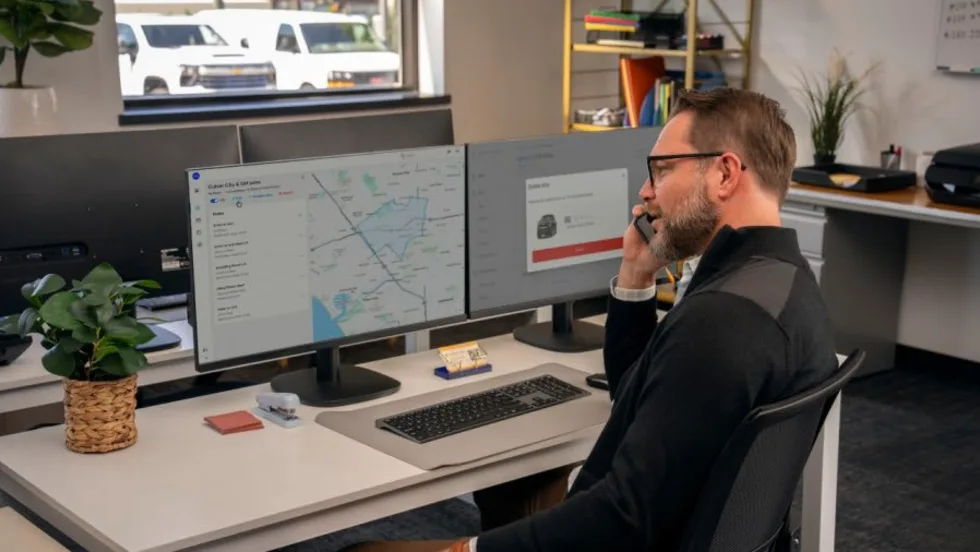
GM Launches OnStar Fleet Intelligence Platform With AI Assistant
The new platform brings vehicle data, order tracking, connected services and fleet analytics into one system, with an AI assistant that can answer fleet questions using natural-language prompts.
Read More →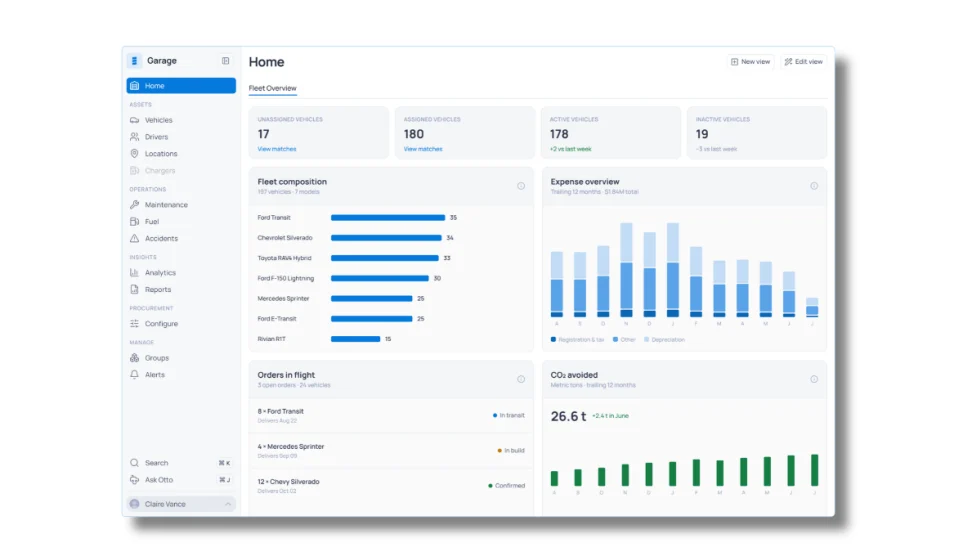
Inspiration Fleet Introduces Garage 2.0 Fleet Intelligence Platform
Fleet managers increasingly have access to data from vehicles, telematics, fuel, charging, and other systems, but those sources don't always communicate with one another. Inspiration Fleet's Garage 2.0 platform brings that information together while letting fleets keep working with different technology and service providers.
Read More →
Inside Inspiration Fleet’s New Platform for Connecting Fleet Data
Inspiration Fleet CTO Chris Getner explains how the new Garage 2.0 platform is designed to connect disparate fleet data and what that could mean for fleet managers in practice.
Read More →
Fleet Manager’s Ultimate Playbook: Navigating the New Standard in OEM Connectivity
Rising operating costs, driver safety concerns, and unplanned downtime are putting unprecedented pressure on modern fleets. Discover how fleet managers use embedded OEM connectivity and real-time vehicle data to cut TCO, prevent downtime, and protect drivers without aftermarket telematics hardware.
Read More →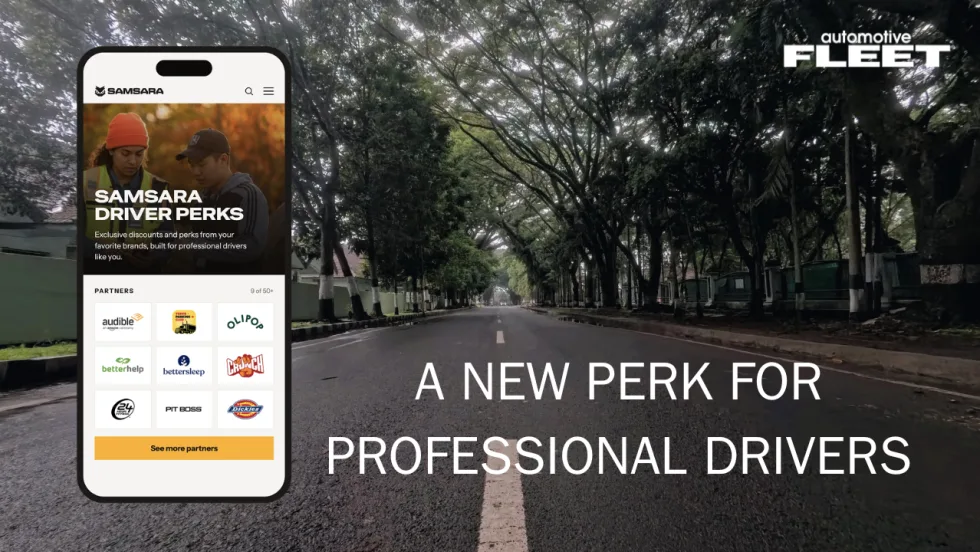
Samsara Driver Perks Adds New Benefit for Corporate Fleet Drivers
The rewards program gives eligible professional drivers access to discounts from more than 50 brands while giving fleets another way to support recruitment, retention, and the driver experience.
Read More →
Inside the Church of Jesus Christ of Latter-day Saints’ Two-Track Telematics Strategy
With 20,000 vehicles and two fundamentally different driver populations, the Church faced a fleet management problem that a single telematics program couldn't solve. How it responded offers a replicable framework for any fleet where one size doesn't fit every driver.
Read More →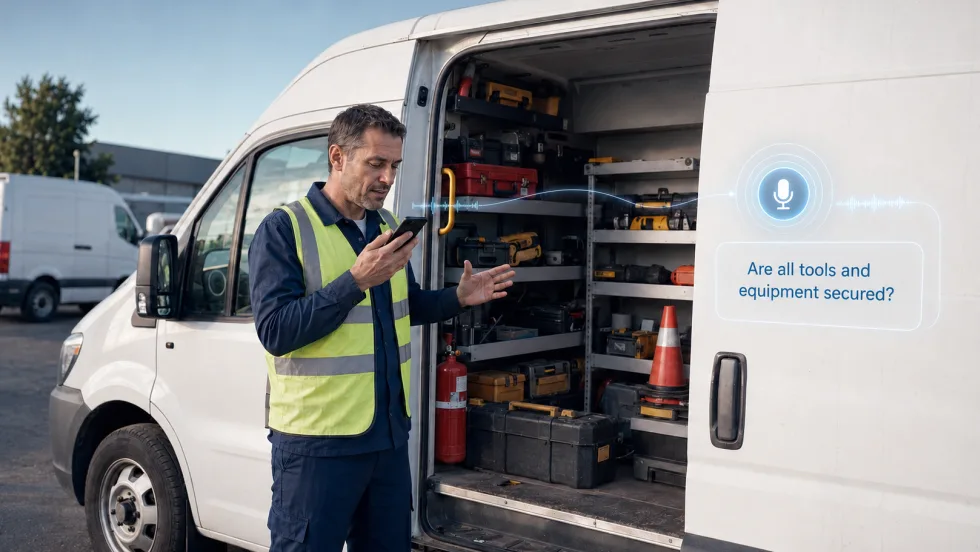
How Conversational AI Can Make Fleet Tasks Easier for Drivers
While most generative AI tools help fleet managers interpret data at their desks, Connex2X is applying voice interaction to tasks behind the wheel.
Read More →
Why Fleets Are Creating Dedicated Fleet Analyst Positions
Are fleet analyst positions the new norm? Listen here to find out.
Read More →
Teletrac Navman Begins Next Chapter as Standalone Private Company
What's new with Teletrac Navman and its new owner?
Read More →