




Bus Driver Faints, Passenger Grabs Wheel
BIRMINGHAM, Ala. --- The driver of a bus carrying 44 children on a field trip lost consciousness at the wheel, but a teacher's quick actions averted a head-on collision last Friday, March 28, the Birmingham News reported.
BIRMINGHAM, Ala. --- The driver of a bus carrying 44 children on a field trip lost consciousness at the wheel, but a teacher's quick actions averted a head-on collision last Friday, March 28, the Birmingham News reported.
Amy King, a math teacher traveling on the bus, grabbed the steering wheel to prevent the bus from careening into oncoming traffic. The driver, however, was thrown through the windshield and is in serious condition. Twenty passengers were taken to the hospital with injuries.
The bus sideswiped 200 feet of guardrail before it came to a stop upside-down in a drainage ditch about 30 miles northeast of Birmingham.
Just how common is it for a driver's illness to lead to a collision?
According to the Los Angeles Times, National Highway Traffic Safety Administration (NHTSA) data indicate that in 2005, there were 521 fatal crashes in which illness was a factor in one of the drivers. The collisions killed 422 of the ill drivers, 65 occupants of the ill driver's vehicles, 61 occupants of other vehicles, and 15 pedestrians or bicyclists. A total of 563 people were killed, more than 1 percent of the total highway deaths that year. The medical conditions included seizures, heart attacks and fainting, among other problems.
Yet, surprisingly, few driver education programs or DMV materials even address the issue of a passenger taking control of a vehicle after the driver suddenly becomes too ill to operate it. There are no statistics available that show how often a passenger's actions prevent an accident in such a situation.
Of course, no standard emergency procedure can apply to every situation. But when queried by the L.A. Times, a spokesman for the California Highway Patrol advised that passengers should stay calm and not turn off the engine, since that would also disable the power steering and brakes. A passenger would also have to decide in an instant whether he or she would need to unfasten their seat belt in order to reach the brake pedal or pull the driver's foot off the accelerator. The vehicle's center console configuration can make it more difficult to take control of the vehicle without unbuckling.
This scenario may sound like something you'd only see in the movies, but NHTSA data prove that it can happen in real life, too.
More Safety

Nexar-Nauto Merger Aims to Give Fleets Better Safety Intelligence Through Larger Driving Dataset
Stefan Heck tells Automotive Fleet that combining more than 10 billion miles of driving history with Nexar's AI models will give fleets deeper insights into driver risk and roadway conditions than either company could provide independently.
Read More →
Don't Wait for a Crisis: 5 Ways to Build Mental Health Into Your Fleet Safety Program
For Suicide Prevention Month, fleet and safety leaders have an opportunity to put mental health where it belongs: at the center of workplace safety.
Read More →
How Camera Data Can Strengthen a Fleet’s Insurance Renewal
Insights from a commercial insurance carrier and a broker show how fleets can turn video telematic data, driver coaching, and improved claims results into a stronger case at insurance renewal.
Read More →
The Safest Fleets Aren’t the Ones with the Most Technology
You’ve made the telematics investment. Here’s how to capture the other half of its value and build the safest fleet on the road.
Read More →
Hidden in Plain Sight: Fleet Compliance Risks
Fleet compliance isn't just about having policies — it's about consistently enforcing them. This practical guide reveals six hidden compliance risks common in public sector and shared fleet operations and outlines proven strategies to improve visibility, accountability, and audit readiness
Read More →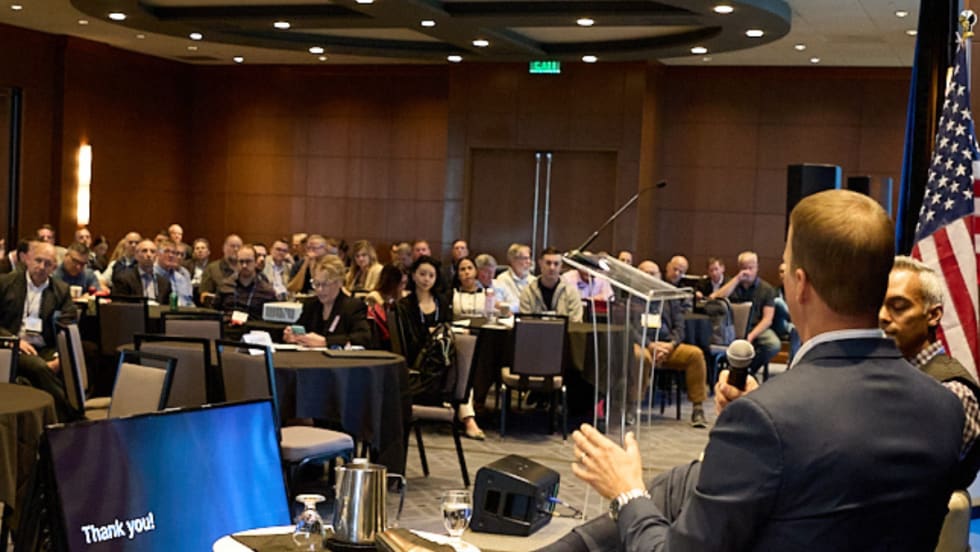
NETS Sets 2026 Fleet Safety Benchmark Conference for Indianapolis
The Sept. 15–17 program will feature fleet benchmarking data, case studies, emerging technologies, and implementation strategies while running alongside the NSC Safety Congress & Expo.
Read More →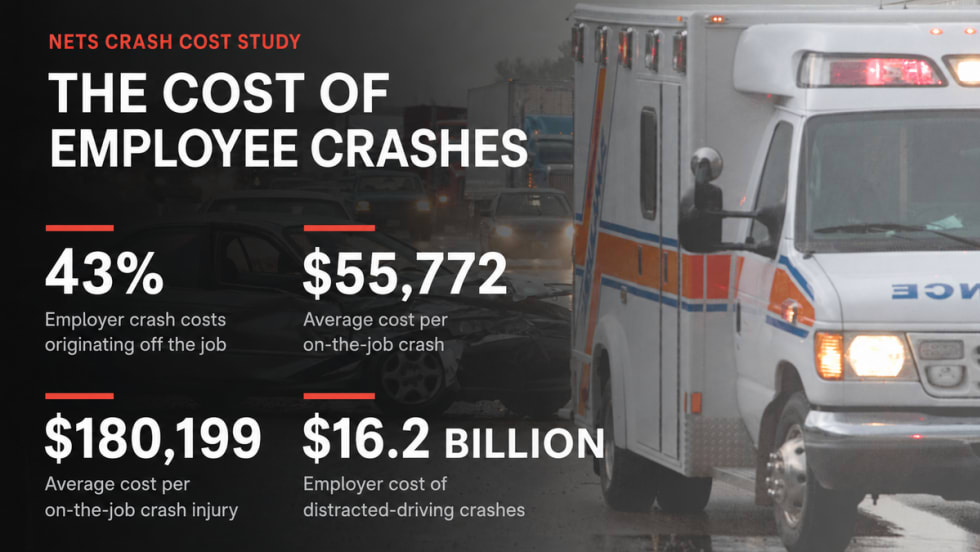
Off-the-Job Crashes Account for 43% of Employers’ $61.7 Billion Crash Burden
NETS quantifies costs dispersed across fleet, risk, HR, and other departments while providing new per-crash benchmarks for employers.
Read More →
Ram Recalls More Than 1.27 Million 1500 Pickups for Seat Belt Anchor Issue
The recall affects certain 2019-2026 Ram 1500 pickups that may have improperly attached second-row seat belt buckle anchors.
Read More →
How Better Visibility Cut Speeding Violations by 48%
Fleet leaders don't need more data, they need clearer visibility into what the data is saying. This case study explores how one utility replaced speeding-event counts with a single metric — miles driven in violation — to strengthen safety and significantly reduce speeding violations.
Read More →
Operation Safe Driver Week: Why the Industry's Oldest Safety Campaign Still Matters to Fleets
A look at how a 2007 enforcement initiative became one of the most consequential weeks on the fleet safety calendar, and what it means for your drivers in 2026.
Read More →