




Buick Regal Turbo Features Flex-Fuel Capability
PONTIAC, MI - The 2011 Buick Regal Turbo is the first direct-injected turbocharged production car capable of running on any blend of gasoline or E85 ethanol, joining more than 5 million flex-fuel models General Motors has produced over the past 15 years.

2011 Buick Regal Turbo
PONTIAC, MI - The 2011 Buick Regal Turbo is the first direct-injected turbocharged production car capable of running on any blend of gasoline or E85 ethanol, joining more than 5 million flex-fuel models General Motors has produced over the past 15 years.
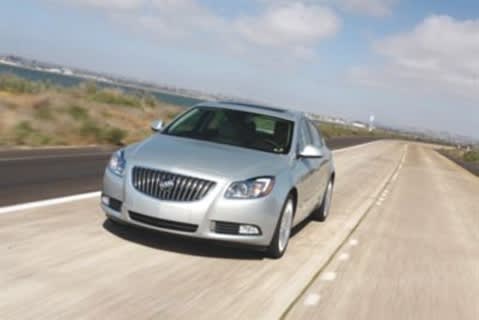
The turbocharged Ecotec 2.0-liter inline four-cylinder engine that powers the Regal will help GM reach its goal of offering more than 50 percent of its production in flex-fuel models by the end of 2012.
Compared to earlier versions of the 2.0-liter Ecotec turbo, GM powertrain engineers have significantly upgraded the new engine to accommodate both E85 and to incorporate refinements, GM said.
Since ethanol requires a richer air-fuel mixture than gasoline, flex-fuel engines need higher flow-rate injectors. However, a flex-fuel engine can potentially have any combination of gasoline or up to 85 percent ethanol in the tank, so a sensor in the fuel system measures the blend in real time. This allows the engine management system to automatically adjust the mixture to provide improved performance and reduce emissions and fuel consumption. Stainless steel fuel lines provide extra corrosion resistance to ensure that the Regal Turbo meets GM's stringent durability requirements, the automaker said.
In the past, improving power output and reducing fuel consumption and emissions were often conflicting goals. By delivering fuel directly to the combustion chamber, the high-pressure injectors can now provide a more precise mixture for optimum combustion.
Turbochargers use the energy in the hot exhaust gas flow to drive a compressor that forces more air into the combustion chamber for on-demand power delivery. The twin-scroll turbocharger on the Ecotec engine provides two inlet paths to the turbine to maximize the kinetic and thermal energy delivered to the turbine, GM said.
"Lag and reduced vehicle launch response is one of the age-old concerns with previous turbo engines" explained Ecotec chief engineer Mike Anderson. "Drivers would step on the gas to accelerate and then have to wait for boost and power to be generated. The twin-scroll turbocharger helps the engine generate power and torque when the driver needs it for passing maneuvers or merging onto a highway even at low engine speeds. The 2.0-liter Ecotec turbo produces 258 pound-feet of torque from 2,000 to 5,500 rpm, making it feel like a much larger V6 engine while still delivering four-cylinder efficiency."
More Green Fleet

Merchants Fleet Reports 290M EV Miles as Fleets Navigate Changing Electrification Market
From millions in operating savings to hundreds of millions of EV miles, Merchants Fleet’s latest report reveals what’s working and what’s changing in fleet electrification.
Read More →
The EV Breakdown Nobody's Talking About: Why Most Electric Vehicle Roadside Calls Aren't Mechanical Failures
Here's why EV breakdowns are widely misunderstood.
Read More →
ChargePoint Now Available in Energy Pass
ChargePoint and additional planned charging network integrations were added to GM's Energy Pass.
Read More →
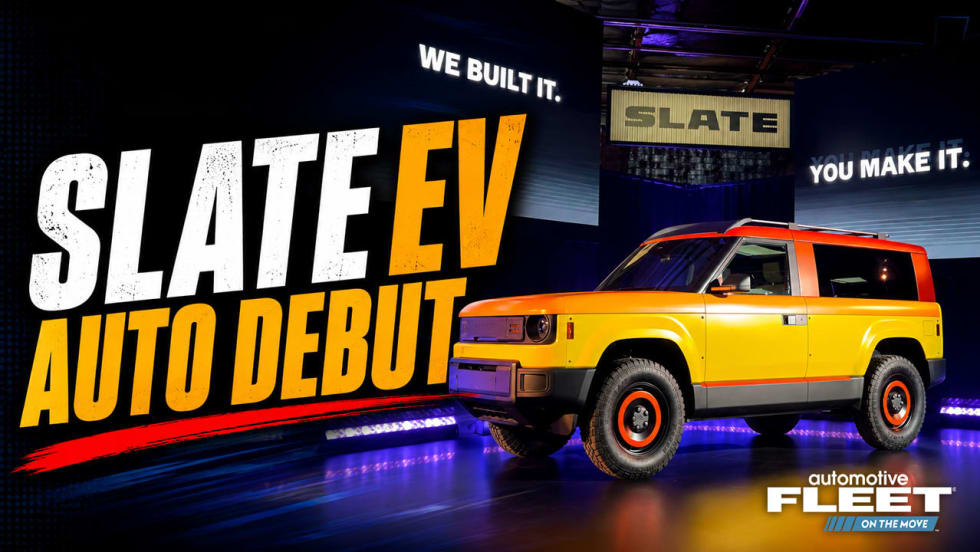
First Look: Slate Auto's Electric Fleet Pickup
Could an affordable, modular EV pickup make electrification more practical for fleets?
Read More →
Slate Debuts Colorful, Unique EV Models
A recent media and client event, studded with electric vehicles dressed up on platforms, planted a new position for the manufacturer in the wider EV market. Fleets will find cost-saving advantages.
Read More →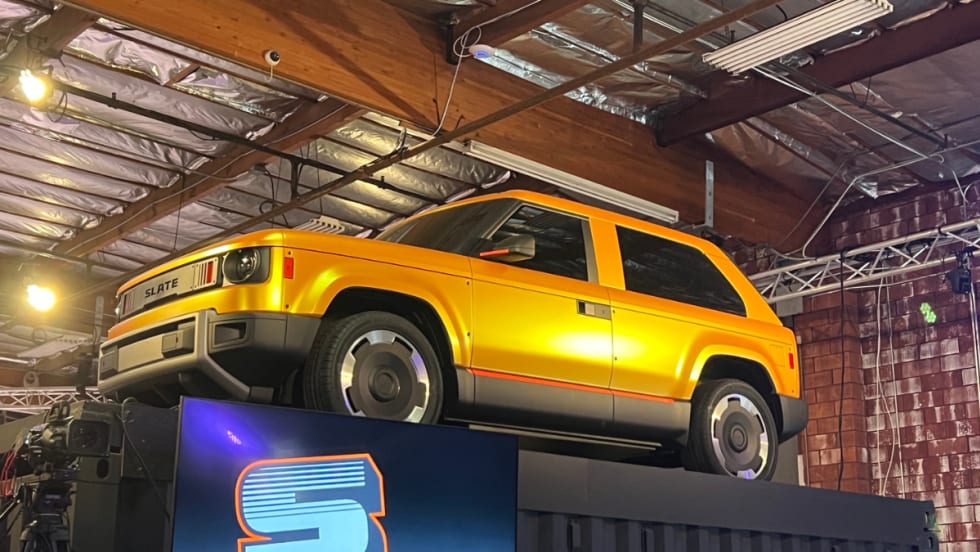
Slate Electric SUV, Pickup Switchable Model Aims For Light-Duty Fleets
Everything about this EV is counterintuitive and understated, making it stand out from the crowd.
Read More →
Inspiration Mobility Acquires Key Electrada Assets
Inspiration Mobility Group has acquired select assets of Electrada, adding the fleet electrification provider's team, technology, and charging infrastructure development capabilities to its energy management business.
Read More →
Turning Connected Vehicle Data Into Decisions That Matter
Fleet leaders have more data than ever, but turning that data into clear, actionable decisions remains a challenge. This white paper shows how leading organizations are using connected vehicle data to improve safety, reduce costs, and optimize fleet performance. Learn how to turn insight into action across your fleet.
Read More →
Are You Tracking Your Fleet's True Total Cost of Ownership?
Bobit Business Media surveyed 190 fleet professionals and found that while most fleets are tracking costs, fragmented systems and data gaps are keeping true TCO visibility out of reach. With rising pressure to control spend in an increasingly volatile environment, the gap between what fleets think they know and what the data actually shows is wider than you might expect. See how your peers are managing costs today and where the industry still has room to improve.
Read More →