





Related: BrightDrop Talks Specs, Range, and Timelines for Fleets
BrightDrop Appoints Four New Executives
New chief technology, product, people, and revenue officers, bring extensive experience in technology and software to the leadership team at BrightDrop.
August 5, 2021
Logo: BrightDrop
3 min to read
BrightDrop recently named four new executives to its leadership team, appointing Anthony Armenta as chief technology officer, Rachad Youssef as chief product officer, Shaluinn Fullove as chief people officer, and Steve Hornyak as chief revenue officer.
Armenta, Youssef, Fullove, and Hornyak bring experience in advanced autonomous technology, software, and robotics, and will be responsible for leading the company’s product and technology development, recruitment, sales, and marketing strategies. Armenta, Youssef and Fullove will be based in BrightDrop’s San Francisco Bay Area offices, and Hornyak in Atlanta.
“We’re thrilled to have Anthony, Rachad, Shaluinn and Steve join our growing, visionary team,” said Travis Katz, BrightDrop president and CEO. “Their robust backgrounds – spanning robotics, autonomy and machine learning – will enable us to accelerate our vision of delivering better cities while helping decarbonize the last mile of delivery.”
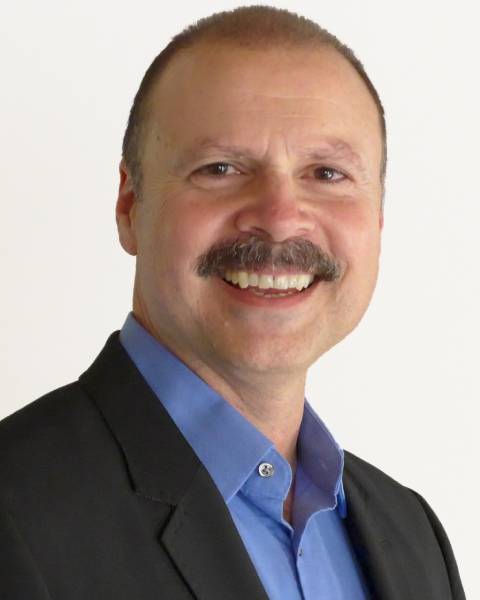
Photo: BrightDrop
As BrightDrop’s chief technology officer, Armenta will lead the company’s technological vision, innovation, and strategy. Most recently, Armenta was vice president, Software Engineering for Serve Robotics at Postmates/Uber. In the role, he led robotics, autonomy, fleetware, embedded, and infrastructure teams building Postmates' robotic sidewalk delivery platform. Prior to Postmates, Armenta has worked at the forefront of some of the most important trends in technology, including the first smartphones and tablets at Palm and General Magic; the first desktop virtualization and cloud client solutions at Dell and Wyse; and the first high-volume consumer robotics at Anki.

Photo: BrightDrop
As chief product officer, Youssef will lead the design, development, and management of BrightDrop’s ecosystem of all-electric products, software, and services for the commercial delivery and logistics sector. He brings nearly 25 years of product development experience in the technology industry, including most recently as vice president of Software Product Management for NIO, where he was responsible for the Autonomous Vehicle Roadmap, as well as reinventing the in-car experience. Prior to NIO, Youssef was vice president of Product Management at Zoox Inc., developing fully autonomous vehicles and the supporting ecosystem required to bring the technology to market at scale. Youssef led Jawbone’s audio portfolio as the director of Product Management. Before that, his work at Microsoft focused on an array of technologies, including the launch of speed recognition in the Kinect sensor. Youssef has held various roles at companies, including Tellme Networks Inc., Verity Inc., and Oracle Corporation.
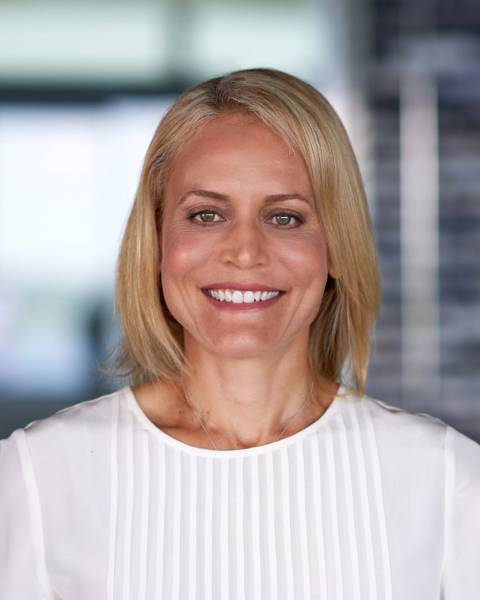
Photo: BrightDrop
Fullove will lead BrightDrop’s strategy to grow a diverse team of talented engineers and professionals. She brings nearly two decades of experience in the technology industry, holding various roles at both Lyft and Google. Most recently, Fullove was the global head of people for Autonomous Technology and Rideshare Platforms at Lyft. Prior to that, she spent 17 years at Google, where she was a founding team member of the Book Search and AdSense businesses. She also held leadership roles in Google’s acquisitions of Nest and YouTube.
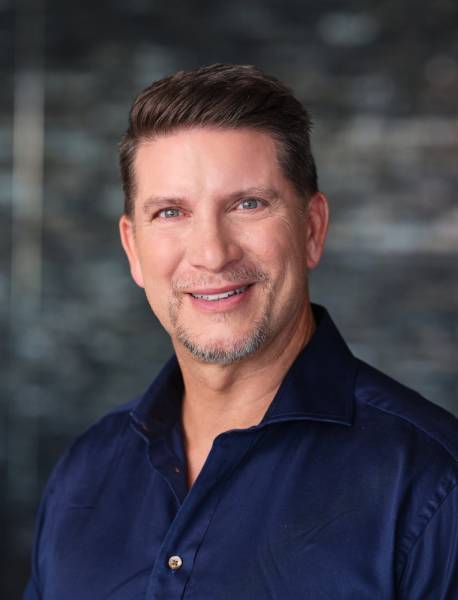
Photo: BrightDrop
Hornyak joins BrightDrop from Fabric, where he was the chief commercial officer. Hornyak helped Fabric clients improve their logistics with automated micro-fulfillment centers. Hornyak has held various executive and senior management roles with Symphony Retail, Trax Retail, Brickstream/Nomi (now Teledyne FLIR), Clarus, SQL Financials, and PwC. At BrightDrop, Hornyak will develop the company’s sales and marketing strategy, partnering with customers to grow a new delivery ecosystem.
“Our roster of highly skilled talent, with the addition of Anthony, Rachad, Shaluinn and Steve, is a nod to the magnitude of opportunities when tech and automotive talent unite around one common goal of creating a more sustainable future,” Katz said.
More Operations
Here's When You Should Make an Exception to Fleet Policy
Fleet policies are designed to create consistency, but not every driver or situation fits neatly within standard rules.
Read More →
AI-Native or AI-Acquired: What Should Fleet Managers Look for in an AI Platform?
Six questions can help fleet managers look beyond AI marketing claims to evaluate integration, data access, and real-world operational performance.
Read More →
Sponsored•October 14, 2026
A buyer's guide to fleet management software in 2027
Buying fleet management software in 2027 means looking beyond features and price. As fleet operations, technology and expectations evolve, this guide explores what today’s fleet professionals should consider when choosing a system that can deliver value now and adapt to what comes next.
Read More →

What Will Shape the Next Era of Fleet Management?
EVs, AI, and autonomous vehicles are reshaping fleet management. Discover what’s ahead—and how fleet leaders can prepare for the next era.
Read More →
How Fleets Can Recruit and Train Veterans for Technician Roles
Here's how the technician shortage has affected uptime for fleets, and what to do about it.
Read More →
Avis Budget Group Deploys Neology Toll Management Technology Across Major Brands
Neology’s neoFleet platform will manage toll transactions and toll-authority operations for vehicles across Avis, Budget, Payless, Budget Truck and Zipcar.
Read More →
Fleet Personal-Use Charges Edge Higher in 2026
Nearly eight in 10 surveyed fleets allow personal use of company vehicles, while just over half of respondents report charging employees for the privilege.
Read More →
The Future of Fleet + What’s Changing Right Now | AF News Recap
Could developments overseas offer a preview of what’s coming for U.S. fleets? This week, we’re looking at the future of AI, autonomy, and electrification, plus Ford Pro’s new certified pre-owned program, smarter vehicle offboarding, and a new way for fleets to manage toll expenses.
Read More →
How to Handle Vehicle Offboarding
What do fleet managers need to do when a driver leaves?
Read More →
Sponsored•October 1, 2026
Fleet Manager’s Ultimate Playbook: Navigating the New Standard in OEM Connectivity
Rising operating costs, driver safety concerns, and unplanned downtime are putting unprecedented pressure on modern fleets. Discover how fleet managers use embedded OEM connectivity and real-time vehicle data to cut TCO, prevent downtime, and protect drivers without aftermarket telematics hardware.
Read More →