




Boston, NYC Top City Congestion List
Congestion peaked in the late afternoon in 19 of the most populous 20 cities studied by Geotab with the exception of Baltimore, which had the most gridlocked congestion between 8 and 9 a.m., the telematics provider found.

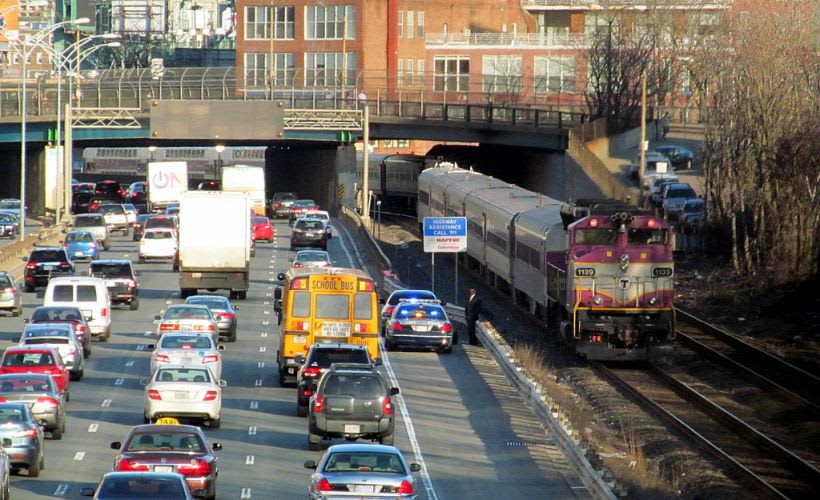
The speed of Geotab-equipped vehicles fell the most (40%) during peak rush hour among the 20 most-populated U.S. cities.
Photo via Pi.1415926535/Wikimedia.
Congestion peaked in the late afternoon in 19 of the most populous 20 cities studied by Geotab with the exception of Baltimore, which had the most gridlocked congestion between 8 and 9 a.m., the telematics provider found.
The speed of Geotab-equipped vehicles fell 40% in Boston between 4 and 5 p.m. and 38% in New York City between 5 and 6 p.m. Washington, D.C. has the slowest traffic with vehicles averaging 19 mph between 5 and 6 p.m. and peaking at 33 mph between 4 and 5 a.m., according to Geotab.
Geotab compiled its results in a series of interactive maps that show congestion by an hourly breakdown for each city. The maps were created using 7.7 million aggregated data records collected over the course of a year by Geotab Go devices.
"Most drivers know when and where they’re likely to get caught in traffic in their area, but these maps allow users to explore the true scale of congestion across America,” says Mike Branch, Geotab’s vice president of data and analytics.
Other cities that experienced at least a 30% drop in speed during the peak traffic hour include Miami (37%), San Francisco (34%), Chicago (33%), Los Angeles (32%), and Seattle (31%).
Cities with the lowest speed drop include St. Louis (16%), Dallas (20%), Phoenix (21%), Detroit (21%), and Baltimore (22%). Vehicles in St. Louis maintaned an average speed of 41 mph between 4 and 5 p.m.
Geotab gathered the data between Aug. 1, 2017 and July 31, 2018.
More Telematics
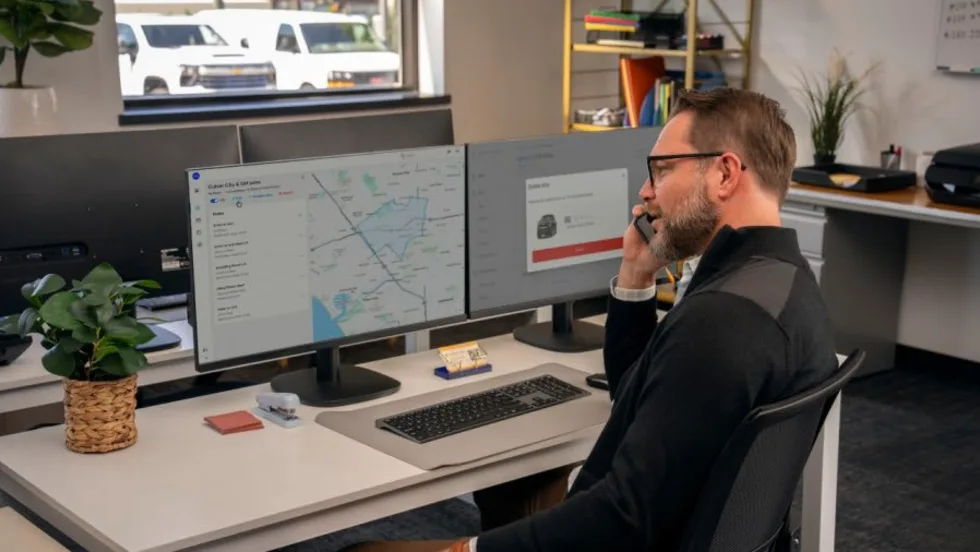
GM Launches OnStar Fleet Intelligence Platform With AI Assistant
The new platform brings vehicle data, order tracking, connected services and fleet analytics into one system, with an AI assistant that can answer fleet questions using natural-language prompts.
Read More →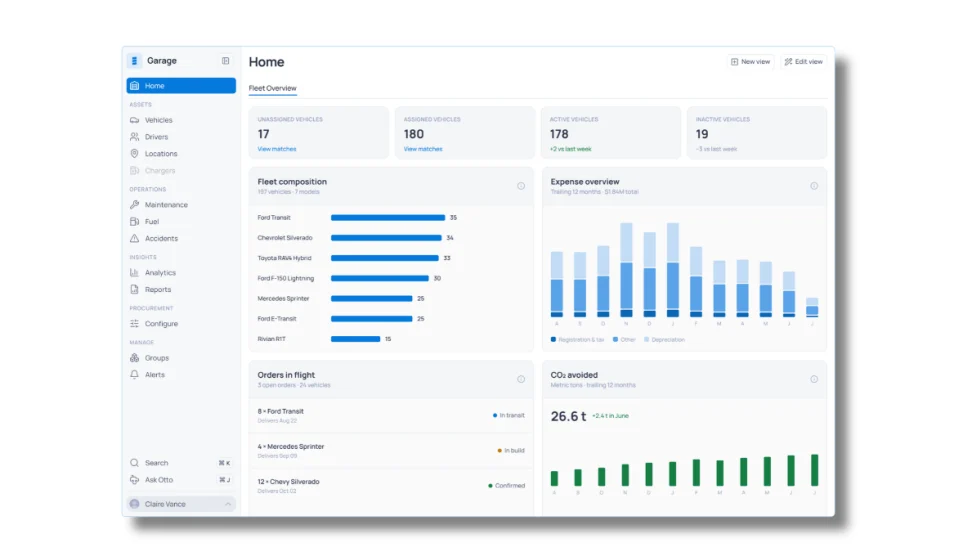
Inspiration Fleet Introduces Garage 2.0 Fleet Intelligence Platform
Fleet managers increasingly have access to data from vehicles, telematics, fuel, charging, and other systems, but those sources don't always communicate with one another. Inspiration Fleet's Garage 2.0 platform brings that information together while letting fleets keep working with different technology and service providers.
Read More →
Inside Inspiration Fleet’s New Platform for Connecting Fleet Data
Inspiration Fleet CTO Chris Getner explains how the new Garage 2.0 platform is designed to connect disparate fleet data and what that could mean for fleet managers in practice.
Read More →
Fleet Manager’s Ultimate Playbook: Navigating the New Standard in OEM Connectivity
Rising operating costs, driver safety concerns, and unplanned downtime are putting unprecedented pressure on modern fleets. Discover how fleet managers use embedded OEM connectivity and real-time vehicle data to cut TCO, prevent downtime, and protect drivers without aftermarket telematics hardware.
Read More →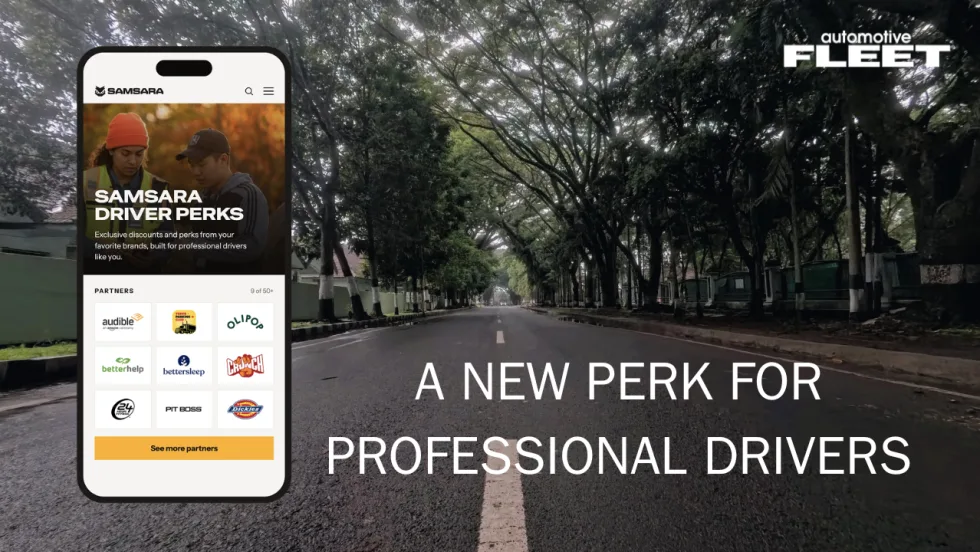
Samsara Driver Perks Adds New Benefit for Corporate Fleet Drivers
The rewards program gives eligible professional drivers access to discounts from more than 50 brands while giving fleets another way to support recruitment, retention, and the driver experience.
Read More →
Inside the Church of Jesus Christ of Latter-day Saints’ Two-Track Telematics Strategy
With 20,000 vehicles and two fundamentally different driver populations, the Church faced a fleet management problem that a single telematics program couldn't solve. How it responded offers a replicable framework for any fleet where one size doesn't fit every driver.
Read More →
How Conversational AI Can Make Fleet Tasks Easier for Drivers
While most generative AI tools help fleet managers interpret data at their desks, Connex2X is applying voice interaction to tasks behind the wheel.
Read More →
Why Fleets Are Creating Dedicated Fleet Analyst Positions
Are fleet analyst positions the new norm? Listen here to find out.
Read More →
Teletrac Navman Begins Next Chapter as Standalone Private Company
What's new with Teletrac Navman and its new owner?
Read More →
Why Fleets Are Creating Dedicated Fleet Analyst Positions
Telematics, AI, EVs, and connected technologies are generating more fleet data than traditional teams can effectively manage. Reed Jackson explains why dedicated fleet analytics roles are emerging to turn that information into better operational decisions.
Read More →