




BMW Details New i3 EV Powertrain and Navigation System Features
BMW revealed new details about its upcoming electric vehicle (EV), the i3, which has moved from concept to a production model since last year.
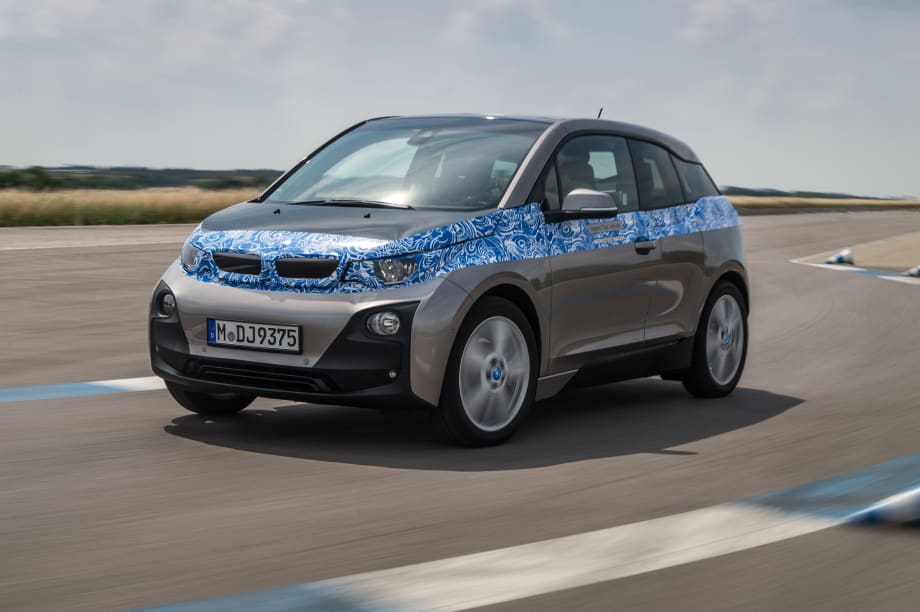
The 2014 BMW i3. Photo courtesy BMW.
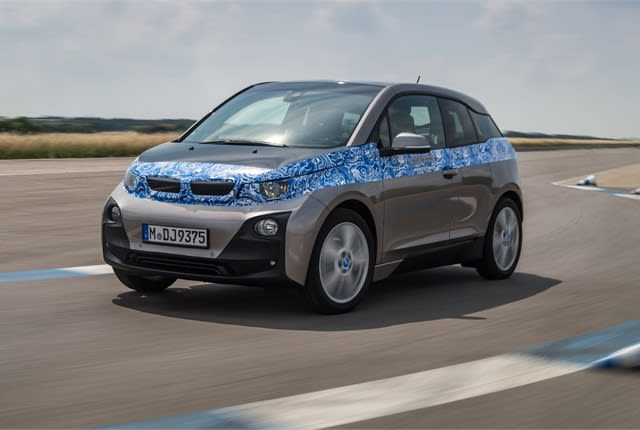
The 2014 BMW i3. Photo courtesy BMW.
BMW revealed new details about its upcoming electric vehicle (EV), the i3, which has moved from concept to a production model since last year. The automaker originally showed its i3 concept in New York and brought the vehicle to multiple auto shows in 2012.
The production version of the vehicle features an electric motor that generates 170 hp and provides peak torque of 184 lb.-ft. The automaker expects the vehicle to have a range of 80 to 100 miles on a single charge. BMW said drivers can increase the vehicle’s range by up to 12 percent by using the optional ECO PRO driving mode, and improve it another 12 percent by using the ECO PRO+ mode.
Although BMW designed this vehicle as primarily an EV, the automaker plans to offer a range extender engine, which is a two-cylinder gasoline engine that can maintain the battery’s charge once it drops below a certain level. The engine dramatically improves the i3’s range, boosting it to between 160 – 180 miles, according to BMW. The range extender engine is mounted next to the electric motor above the rear axle if this option is chosen.
Another unique feature on the vehicle is that the accelerator can provide both acceleration and braking functions (there is still a brake pedal on the vehicle). When the driver takes his or her foot off the pedal, the vehicle begins to slow, depending on speed. The vehicle slows down more at slower speeds and coasts at higher speeds. Regenerative braking kicks in right when the driver lifts his or her foot. This feature is designed to maximize regenerative braking functionality on the new i3.
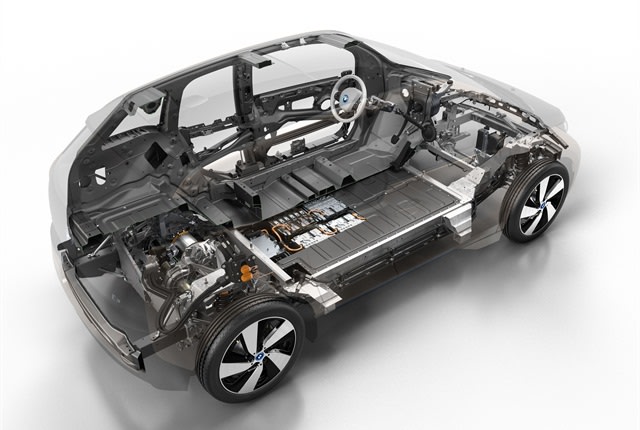
BMW plans to offer an optional range extender gasoline engine for its i3 EV. This engine can improve the vehicle's range by 60 to 80 miles. Photo courtesy BMW.
Beyond the powertrain, the i3 features a number of EV-specific functions and controls in the version of BMW’s ConnectedDrive system in this model. The system uses an embedded SIM card to allow access to navigation services designed to optimize the efficiency of the vehicle’s electric powertrain. This version of ConnectedDrive also offers Concierge Services information and the automaker’s intelligent BMW Assist eCall. An app, called BMW i Remote, allows users to share information with their car using their smartphone. For example, when the i3 is charging, the driver can use the i Remote app to control the energy supply and remotely activate heating or air-conditioning in the vehicle. The app also shows the user charging station locations (available and in use) and can tell the driver if the vehicle has enough power left to reach one of them. The display on a smartphone screen is the same as the one shown on the vehicle’s in-car navigation system.
Other optional driver assistance features on the vehicle include Driving Assistant Plus, Parking Assistant (which allows the vehicle to park autonomously), a rear view camera, and Speed Limit Info (which is a navigation system option). The Driving Assistant Plus option features BMW’s collision warning system with a brake priming function (which activates at speeds up to 35 mph), and can respond to moving and stationary vehicles up ahead and pedestrians. This system also features BMW’s Active Cruise Control with Stop & Go functionality. The system can brake the vehicle autonomously if required, according to BMW.
The vehicle is a rear-wheel drive model and has a small turning radius of 32.3 ft, according to BMW. The tire are 155 / 70 R19 in size and are specific to this model in order to improve driving efficiency, the automaker stated.
The new i3 comes with a standard Dynamic Stability Control (DSC) system that provides Anti-lock Braking System (ABS), Cornering Brake Control (CBC), Dynamic Brake Control (DBC), Brake Assist, Brake Standby, Start-Off Assistant, Fading Compensation, the automaker’s and the Brake Drying function. The Dynamic Traction Control, which the driver can activate, increases the stability control system’s sensitivity to driving conditions, allowing it to perform better in snow, loose sand, or in situations where better cornering performance is required.
The new vehicle is slated to go on sale sometime in 2014 in the U.S.
More Green Fleet
EV Charging Use Is Outpacing Infrastructure Growth
ChargePoint’s 2026 Charging Forward Report points to rising charger use, higher-powered charging, commercial vehicle electrification, and energy-management technology. Here’s what fleets should know.
Read More →
Merchants Fleet Reports 290M EV Miles as Fleets Navigate Changing Electrification Market
From millions in operating savings to hundreds of millions of EV miles, Merchants Fleet’s latest report reveals what’s working and what’s changing in fleet electrification.
Read More →
The EV Breakdown Nobody's Talking About: Why Most Electric Vehicle Roadside Calls Aren't Mechanical Failures
Here's why EV breakdowns are widely misunderstood.
Read More →
ChargePoint Now Available in Energy Pass
ChargePoint and additional planned charging network integrations were added to GM's Energy Pass.
Read More →

First Look: Slate Auto's Electric Fleet Pickup
Could an affordable, modular EV pickup make electrification more practical for fleets?
Read More →
Slate Debuts Colorful, Unique EV Models
A recent media and client event, studded with electric vehicles dressed up on platforms, planted a new position for the manufacturer in the wider EV market. Fleets will find cost-saving advantages.
Read More →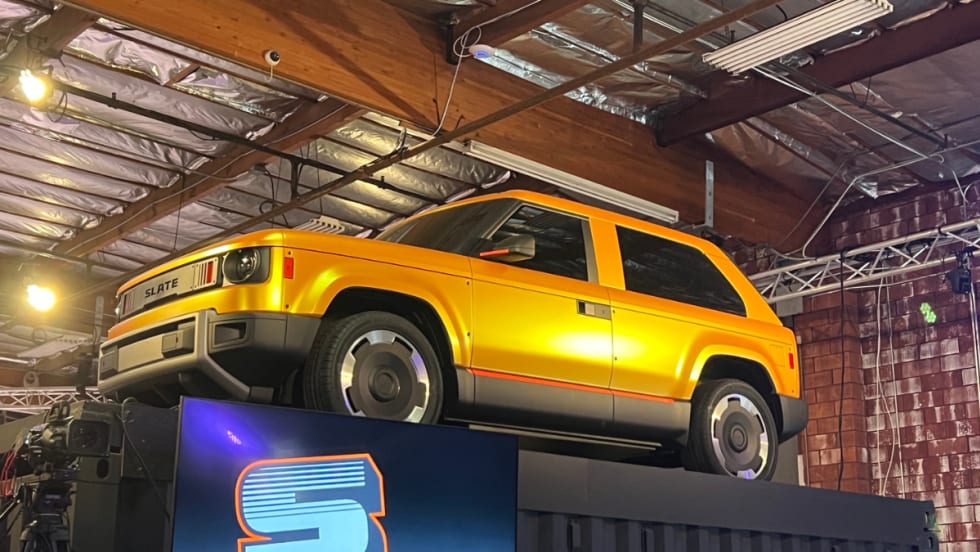
Slate Electric SUV, Pickup Switchable Model Aims For Light-Duty Fleets
Everything about this EV is counterintuitive and understated, making it stand out from the crowd.
Read More →
Inspiration Mobility Acquires Key Electrada Assets
Inspiration Mobility Group has acquired select assets of Electrada, adding the fleet electrification provider's team, technology, and charging infrastructure development capabilities to its energy management business.
Read More →
Turning Connected Vehicle Data Into Decisions That Matter
Fleet leaders have more data than ever, but turning that data into clear, actionable decisions remains a challenge. This white paper shows how leading organizations are using connected vehicle data to improve safety, reduce costs, and optimize fleet performance. Learn how to turn insight into action across your fleet.
Read More →