




Biodiesel Garbage Trucks in D.C.
The DPW began an evaluation of the technology in 2018, when the Optimus system was installed on six garbage and recycling trucks. The Vector System allows these medium- and heavy-duty vehicles to run on pure biodiesel

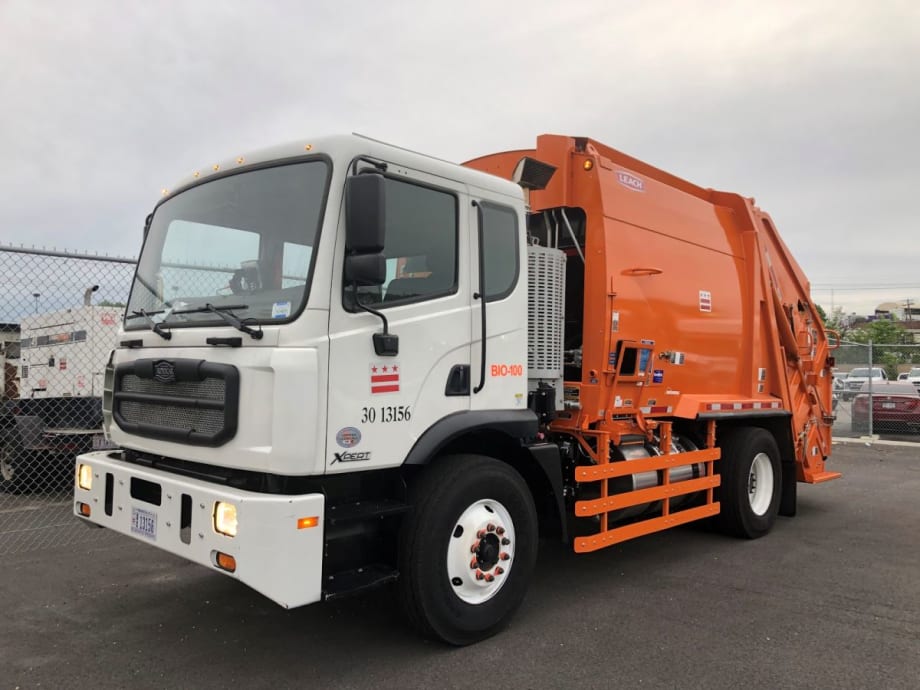
The DPW intends to have close to 100 trucks upgraded with Optimus Technologies’ biodiesel fuel systems within the next year.
Photo: Optimus
The D.C. Department of Public Works (DPW) increased the number of fleet vehicles capable of running on renewable pure biodiesel (B100) by installing Optimus Technologies’ Vector System onto 17 new refuse trucks. The fuel system allows the DPW to realize its sustainable energy goals immediately, as enabling the trucks to operate on B100 reduces up to 86% of the vehicles’ greenhouse gas emissions, according to the fleet.
The DPW began an evaluation of the technology in 2018, when the Optimus system was installed on six garbage and recycling trucks. The Vector System allows these medium- and heavy-duty vehicles to run on pure biodiesel, a cleaner fuel solution produced from waste fats and oils. The success of the technology prompted the department to amend an existing order of 17 refuse trucks to include the Optimus biodiesel system prior to their delivery to the DPW.
Additionally, in conjunction with delivery of the new B100 vehicles, DPW installed a 12,500 gallon refueling station on-site to support the project expansion. The station is equipped with Optimus’ SMARTFuel RFID technology that limits refueling solely to vehicles that are equipped to utilize B100. The biodiesel fuel for DPW’s trucks is being supplied by North America’s largest producer of biodiesel, Renewable Energy Group (REG).
“As the demand for emissions reduction strategies continues to grow across fleets and municipalities, we are well-positioned to provide B100 and biofuel blending options to our customers,” said Jon Scharingson, Executive Director, Sales & Marketing for REG. “As REG expands our business downstream, B100 is a cleaner fuel solution we can offer today, and the D.C. Department of Public Works is just one example of how we are doing that.”
The DPW’s switch to biofuels is a part of Washington D.C.’s efforts to achieve 50% greenhouse gas emission reductions by 2032, with the ultimate goal being an 80% reduction by 2050. DPW diesel refuse trucks present the biggest barrier to these goals, as they cause the highest amount of emissions per vehicle. To address this, the department has looked to the Vector System to dramatically expand the amount of biodiesel utilized without impacting vehicle performance, operation, or maintenance.
B100, however, cannot be used as fuel without some engine modifications. “DPW is an avid user of lower blends of biodiesel, but to achieve their sustainability commitments, they are in need of something more,” says Colin Huwyler, CEO of Optimus Technologies. “Fleets love that they can utilize their existing vehicle specifications, and just include the Optimus fuel system to achieve significant environmental and performance benefits.”
While the Department has explored electric vehicles (EVs) as an alternative, DPW’s Director Chris Geldart acknowledged that EV technology isn’t available for heavy-duty applications. The most effective solution from both a cost and technology standpoint is to operate on B100 in order to take full advantage of the fuel’s carbon reduction benefits. The success of the Optimus system has encouraged Director Geldart to announce that all future refuse trucks ordered by the department will operate on B100.
“We were looking for a solution to maximize emissions reductions while minimizing any effect on operations,” says Geldart. “In 2019, D.C.’s fleet of trucks consumed over 170,000 gallons of biodiesel, resulting in a carbon reduction of more than 1,598 tons. The Department is driving these numbers higher through the implementation of the Optimus Vector System in more city refuse vehicles and expanding to other heavy-duty applications such as snow removal trucks.”
100% biodiesel allows DPW to exceed their 2050 carbon reduction target with the fleet today, despite heavy-duty vehicles presenting one of the biggest challenges to sustainability. The DPW has fully committed to this progress, and intends to have close to 100 trucks upgraded with Optimus Technologies’ biodiesel fuel systems within the next year.
Originally posted on Work Truck Online
More Green Fleet

Merchants Fleet Reports 290M EV Miles as Fleets Navigate Changing Electrification Market
From millions in operating savings to hundreds of millions of EV miles, Merchants Fleet’s latest report reveals what’s working and what’s changing in fleet electrification.
Read More →
The EV Breakdown Nobody's Talking About: Why Most Electric Vehicle Roadside Calls Aren't Mechanical Failures
Here's why EV breakdowns are widely misunderstood.
Read More →
ChargePoint Now Available in Energy Pass
ChargePoint and additional planned charging network integrations were added to GM's Energy Pass.
Read More →

First Look: Slate Auto's Electric Fleet Pickup
Could an affordable, modular EV pickup make electrification more practical for fleets?
Read More →
Slate Debuts Colorful, Unique EV Models
A recent media and client event, studded with electric vehicles dressed up on platforms, planted a new position for the manufacturer in the wider EV market. Fleets will find cost-saving advantages.
Read More →
Slate Electric SUV, Pickup Switchable Model Aims For Light-Duty Fleets
Everything about this EV is counterintuitive and understated, making it stand out from the crowd.
Read More →
Inspiration Mobility Acquires Key Electrada Assets
Inspiration Mobility Group has acquired select assets of Electrada, adding the fleet electrification provider's team, technology, and charging infrastructure development capabilities to its energy management business.
Read More →
Turning Connected Vehicle Data Into Decisions That Matter
Fleet leaders have more data than ever, but turning that data into clear, actionable decisions remains a challenge. This white paper shows how leading organizations are using connected vehicle data to improve safety, reduce costs, and optimize fleet performance. Learn how to turn insight into action across your fleet.
Read More →
Are You Tracking Your Fleet's True Total Cost of Ownership?
Bobit Business Media surveyed 190 fleet professionals and found that while most fleets are tracking costs, fragmented systems and data gaps are keeping true TCO visibility out of reach. With rising pressure to control spend in an increasingly volatile environment, the gap between what fleets think they know and what the data actually shows is wider than you might expect. See how your peers are managing costs today and where the industry still has room to improve.
Read More →