




Biodiesel Fuels U.S. Foodservice-Atlanta Delivery Fleet
FAIRBURN, GA - U.S. Foodservice-Atlanta has become the first major foodservice distributor in Georgia to run its entire delivery fleet on biodiesel fuel.
FAIRBURN, GA - U.S. Foodservice-Atlanta has become the first major foodservice distributor in Georgia to run its entire delivery fleet on biodiesel fuel.
All of the Atlanta division's 185 tractors and 210 trailers began using biodiesel fuel last week following its first 7,500-gallon delivery of B-5, a blend of diesel containing 5 percent biodiesel.
"Utilizing biodiesel is a continuation of our ongoing environmental strategy," said John Leake, president of U.S. Foodservice-Atlanta. "Improving our overall impact on the environment - while helping our customers find effective ways to do the same - not only makes good business sense, it's the right thing to do."
The Atlanta division expects to cut its fleet carbon dioxide emissions by nearly 788,000 lbs. - or about 4 percent - annually. That's roughly the equivalent of taking 65 cars off the road or of planting more than 3,150 trees every year.
The biodiesel is locally sourced and refined, and is a product of S.A. White Oil Co. of Marietta.
U.S. Foodservice-Atlanta is active with and has a leadership role in several local, regional, and state efforts to promote and protect the environment including the Georgia DNR Project, Partnership for a Sustainable Georgia and the Atlanta Zero Waste Zone. The division, which serves the entire state of Georgia and operations in parts of the five bordering states of Florida, Alabama, Tennessee, North Carolina and South Carolina, already has a number of "green" achievements to its credit. These include:
Reducing electrical consumption by 18 percent with the use of T8 fluorescent lamps in its warehouse operations.
Decreasing waste by 55 percent through recovery and recycling programs.
Saving fuel by decreasing truck idle time below 2 percent.
Atlanta is the third U.S. Foodservice division to use biodiesel in its fleet. It joins divisions in Streator, Ill., and Plymouth, Minn.
The company's Fort Mill, S.C. division also recently announced its efforts to "green" up its operations through cutting back on idling and increasing its fuel efficiency.
More Fuel

Turning Fleet Payment Data into Executive Insights
Ramel Lindsay of U.S. Bank Voyager discusses how fleets can transform payment and transaction data into actionable intelligence to reduce costs, improve oversight, and support executive decision-making.
Read More →
Why the IRS Raised Its Mileage Rate in the Middle of 2026
Fuel-price volatility drove the rare increase to 76 cents per mile, the fifth midyear adjustment since 2000.
Read More →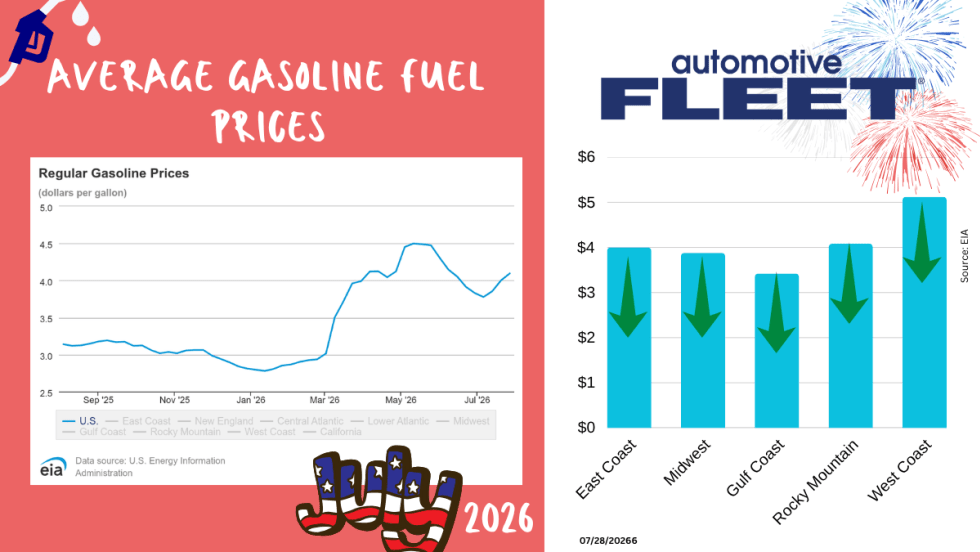
July Fuel Update: Prices Keep Rising in Light of More Conflict
Gas prices continue to rise as more and more conflicts do, too.
Read More →
Bob Adamsky on Fuel Volatility: "Don't Panic, Have a Plan."
When it comes to up and down fuel prices, Adamsky has a message for fleets: “Don’t panic.”
Read More →
How Fleets Can Gain Control of Non-Fuel Spend
Fuel often gets the spotlight, but non-fuel expenses can have a major impact on fleet costs. Ramel Lindsay of U.S. Bank Voyager discusses how fleets can gain better visibility and control over these often-overlooked expenditures.
Read More →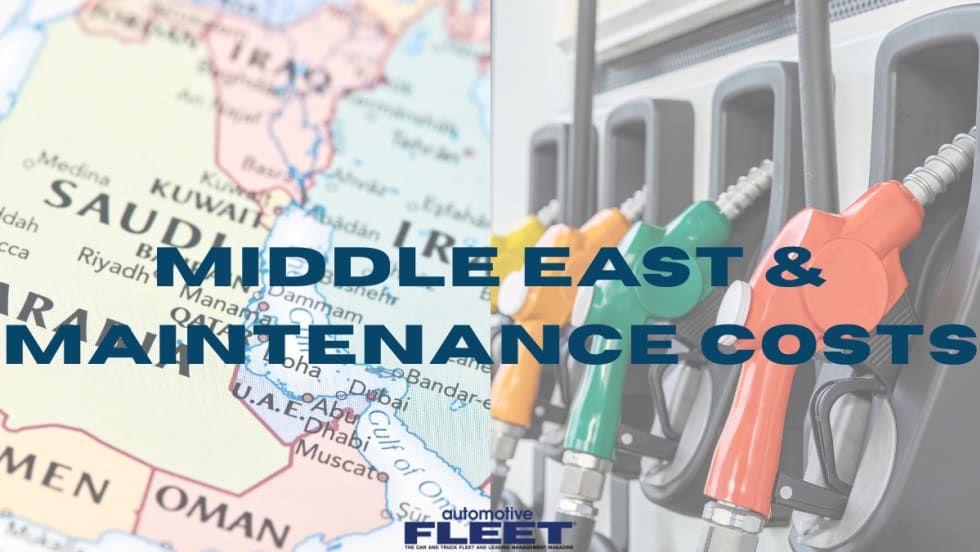
Fuel is Just the Start: How Middle East Tensions are Driving Up Fleet Maintenance Costs
The Middle East conflict is doing more than pushing up fuel prices. It’s also raising the cost of key maintenance products your fleet depends on, from motor oil to tires to windshield wipers. Here’s what you need to know about this budget-busting situation.
Read More →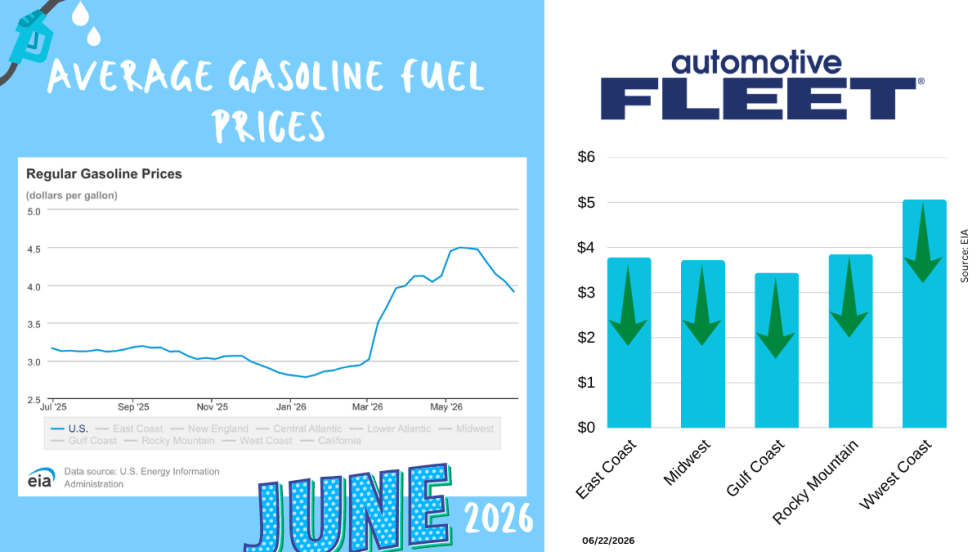
June Fuel Update: Prices Fall Below $4
Drivers are finally getting some relief at the pump. The national average gas price has dropped below $4 a gallon for the first time in months, with prices falling in 47 states as oil markets react to developments in U.S.-Iran negotiations.
Read More →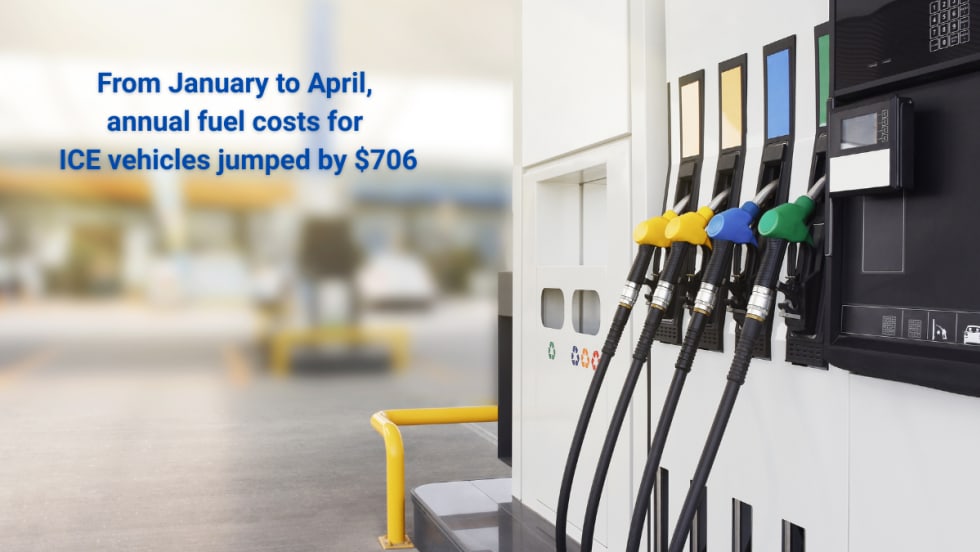
Study: How 2026's Gas Price Hikes Affect Different Vehicle Types
New data from iSeeCars reveals how rising fuel costs have affected different vehicle segments as gasoline prices climbed nearly 46% over the past four months.
Read More →
Are You Tracking Your Fleet's True Total Cost of Ownership?
Bobit Business Media surveyed 190 fleet professionals and found that while most fleets are tracking costs, fragmented systems and data gaps are keeping true TCO visibility out of reach. With rising pressure to control spend in an increasingly volatile environment, the gap between what fleets think they know and what the data actually shows is wider than you might expect. See how your peers are managing costs today and where the industry still has room to improve.
Read More →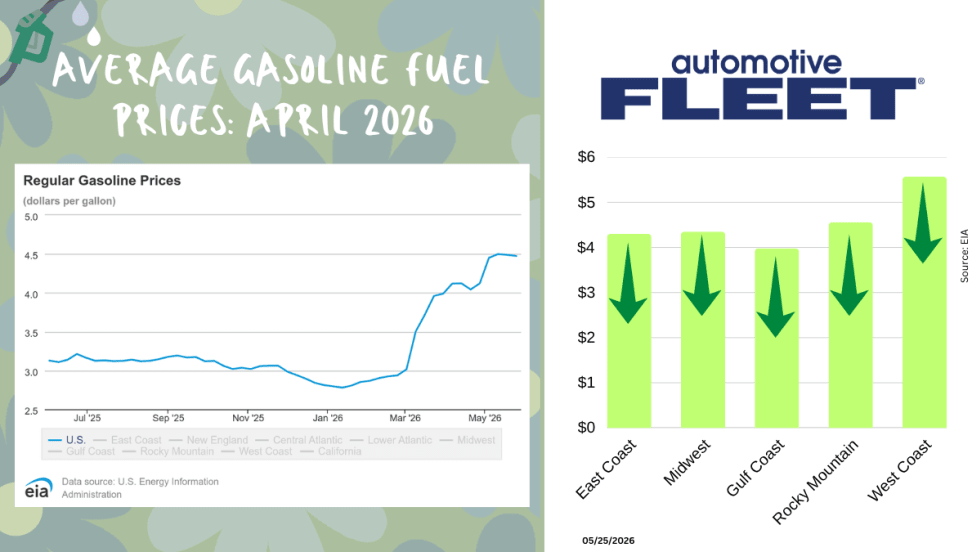
May Fuel Update: All Regions Experience Declines
Gas prices are finally easing in much of the country, but experts warn global tensions could quickly reverse the trend as the national average remains well above last month’s levels.
Read More →