




Bill Ford Outlines Vision of Future Transportation at Mobile World Congress
BARCELONA, SPAIN – Ford Motor Co.'s Executive Chairman Bill Ford outlined a plan for connected cars that is designed to avoid the consequences of widespread gridlock as the number of on-road vehicles grows.
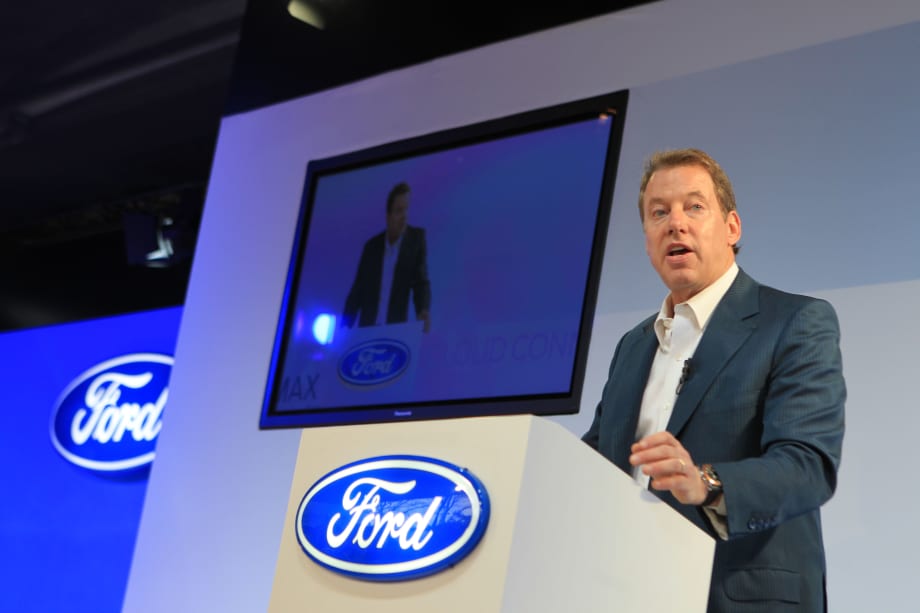
Bill Ford.
Bill Ford.
BARCELONA, SPAIN – Ford Motor Co.'s Executive Chairman Bill Ford outlined a plan for connected cars that is designed to avoid the consequences of widespread gridlock as the number of on-road vehicles grows. Ford delivered his keynote address at the 2012 Mobile World Congress in Barcelona, where he told delegates that the number of cars on the world’s roads is forecast to grow from 1 billion to 4 billion by 2050.
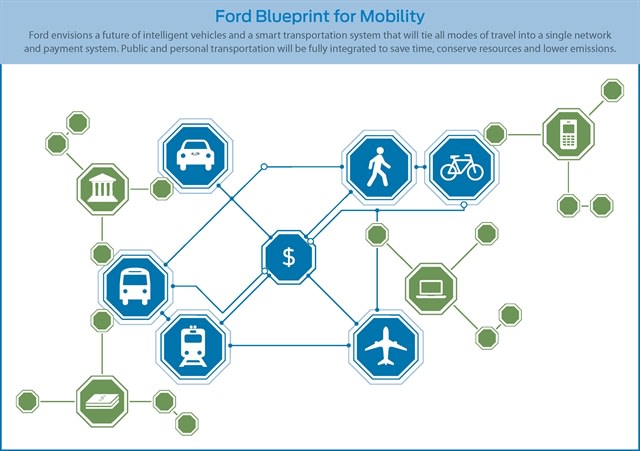
“If we do nothing, we face the prospect of ‘global gridlock’, a never-ending traffic jam that wastes time, energy and resources and even compromises the flow of commerce and healthcare,” said Ford in a preview of Ford Motor Company’s “Blueprint for Mobility.” “The cooperation needed between the automotive and telecommunications industries will be greater than ever as we prepare for and manage the future. We will need to develop new technologies, as well as new ways of looking at the world.”
Bill Ford outlined the company’s vision for combating gridlock in the near- and long-term through a range of new vehicle technologies. In the near-term (5 to 7 years), Ford expects to build on its vehicle existing features, such as Active Park Assist, Adaptive Cruise Control, and Active City Stop. In addition, Ford cited its collaboration with ZipCar as aiding in the development of new vehicle ownership models (which public-sector fleets are taking advantage of, for example the cities of Chicago and Boston).
In the mid-term, from 2017 to 2025, Ford sees the introduction of semi-autonomous driving technologies, such as “auto pilot” capabilities and limited types of vehicle platooning. Other technologies will involve more vehicle-to-vehicle interactions to reduce accidents. Also, vehicle-to-cloud and vehicle-to infrastructure communication will enable alternative transportation options.
Another change Ford sees in the mid-term is additional “city vehicle” (one, two, and three-passenger vehicles) options. He also said an “integrated transportation network” will emerge.
“Cars are becoming mobile communications platforms and as such, they are a great untapped opportunity for the telecommunications industry. Right now, there are a billion computing devices in the form of individual vehicles out on our roads. They’re largely unconnected from one another and the network,” Ford said.
In the long-term, after 2025, Ford said he sees a very different transportation landscape, where pedestrian, bicycle, private car, commercial and public transportation traffic is integrated into a single network. Also, Ford said fully autonomous vehicle technology will emerge, with better “auto pilot” operating durations and autonomous valet functions.
This talk at the Mobile World Congress follow’s Bill Ford’s original presentation on this subject during the TED conference in 2011.
More Telematics
Element Expands Waymo Partnership to Support Toronto Robotaxi Fleet
As Waymo prepares to enter the Canadian market, Element Fleet Management will oversee the fleet operations supporting its planned Toronto launch. The partnership highlights the maintenance, charging, and infrastructure requirements behind operating autonomous vehicles at scale.
Read More →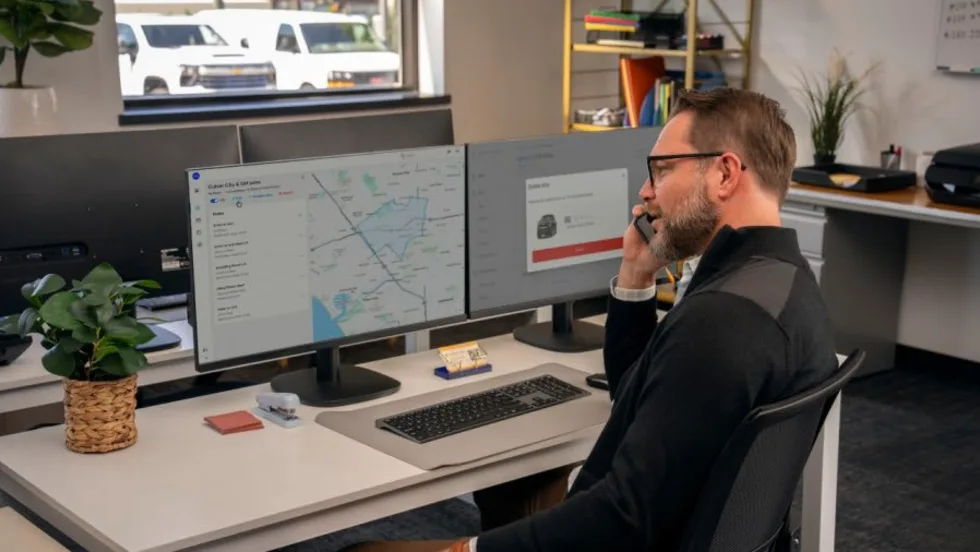
GM Launches OnStar Fleet Intelligence Platform With AI Assistant
The new platform brings vehicle data, order tracking, connected services and fleet analytics into one system, with an AI assistant that can answer fleet questions using natural-language prompts.
Read More →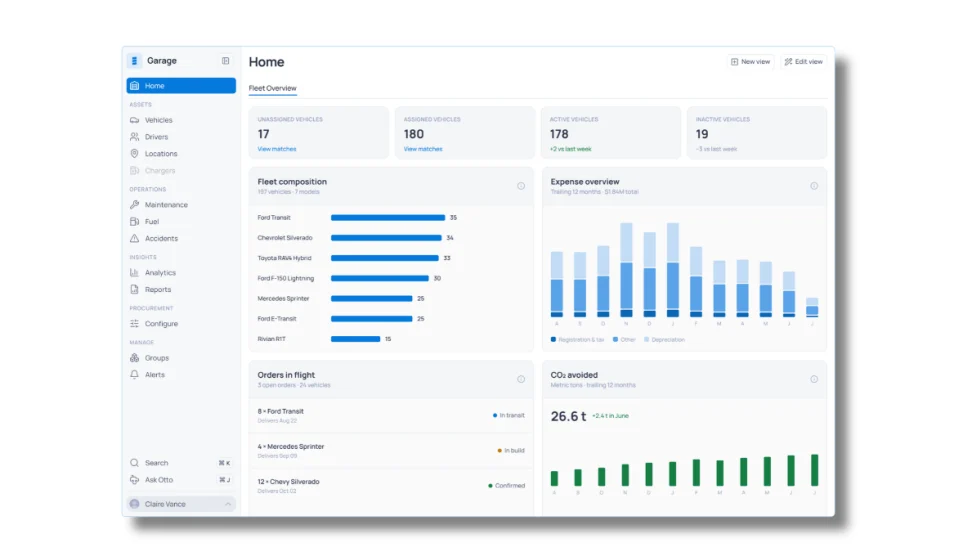
Inspiration Fleet Introduces Garage 2.0 Fleet Intelligence Platform
Fleet managers increasingly have access to data from vehicles, telematics, fuel, charging, and other systems, but those sources don't always communicate with one another. Inspiration Fleet's Garage 2.0 platform brings that information together while letting fleets keep working with different technology and service providers.
Read More →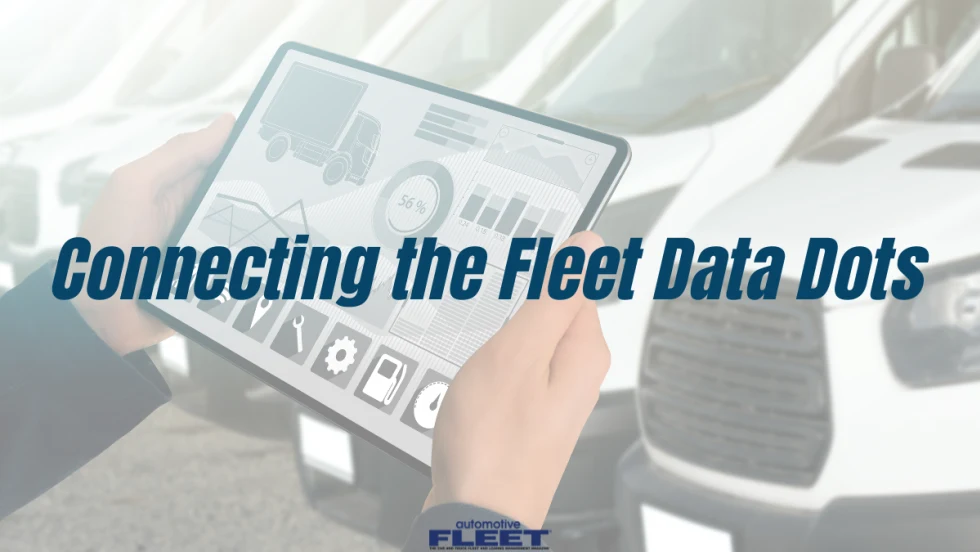
Inside Inspiration Fleet’s New Platform for Connecting Fleet Data
Inspiration Fleet CTO Chris Getner explains how the new Garage 2.0 platform is designed to connect disparate fleet data and what that could mean for fleet managers in practice.
Read More →
Fleet Manager’s Ultimate Playbook: Navigating the New Standard in OEM Connectivity
Rising operating costs, driver safety concerns, and unplanned downtime are putting unprecedented pressure on modern fleets. Discover how fleet managers use embedded OEM connectivity and real-time vehicle data to cut TCO, prevent downtime, and protect drivers without aftermarket telematics hardware.
Read More →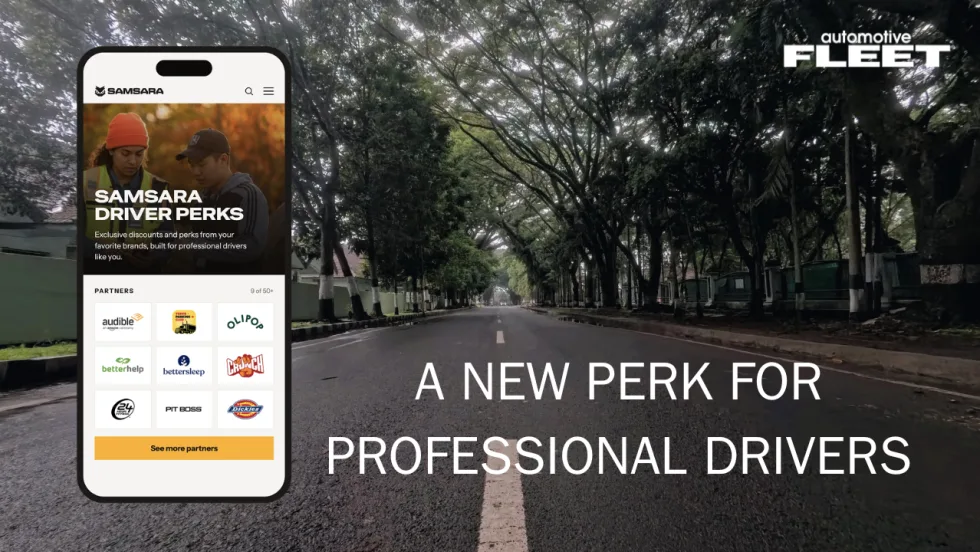
Samsara Driver Perks Adds New Benefit for Corporate Fleet Drivers
The rewards program gives eligible professional drivers access to discounts from more than 50 brands while giving fleets another way to support recruitment, retention, and the driver experience.
Read More →
Inside the Church of Jesus Christ of Latter-day Saints’ Two-Track Telematics Strategy
With 20,000 vehicles and two fundamentally different driver populations, the Church faced a fleet management problem that a single telematics program couldn't solve. How it responded offers a replicable framework for any fleet where one size doesn't fit every driver.
Read More →
How Conversational AI Can Make Fleet Tasks Easier for Drivers
While most generative AI tools help fleet managers interpret data at their desks, Connex2X is applying voice interaction to tasks behind the wheel.
Read More →
Why Fleets Are Creating Dedicated Fleet Analyst Positions
Are fleet analyst positions the new norm? Listen here to find out.
Read More →
Teletrac Navman Begins Next Chapter as Standalone Private Company
What's new with Teletrac Navman and its new owner?
Read More →